Roads and Highways
- Road Base Reinforcement for Soft Soil and Heavy Traffic Areas
- Helps Reduce Rutting, Aggregate Movement, and Surface Deformation
- Suitable for Highways, Rural Roads, Access Roads, Yards, and Temporary Routes
- Adjustable compartment profile, weld spacing, mat size, surface finish, and bundling plan
- CHANGFENG road-aggregate supply from China with section labels
- Custom manufacturing for pavement tenders, distributors, and road builders
-
 Geocell Technology
Download
Geocell Technology
Download
Road Base Stabilization Method
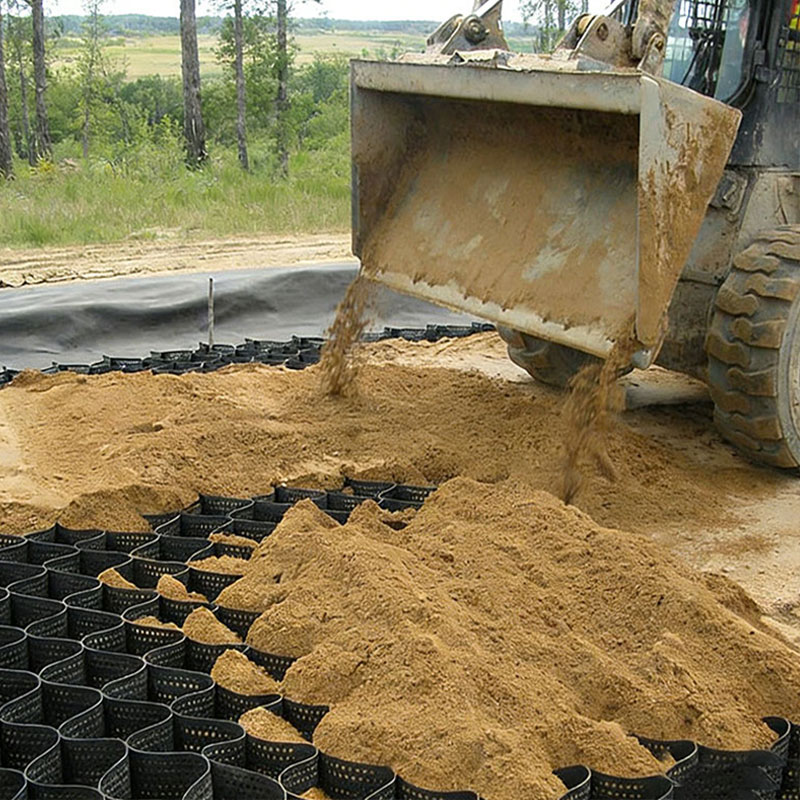
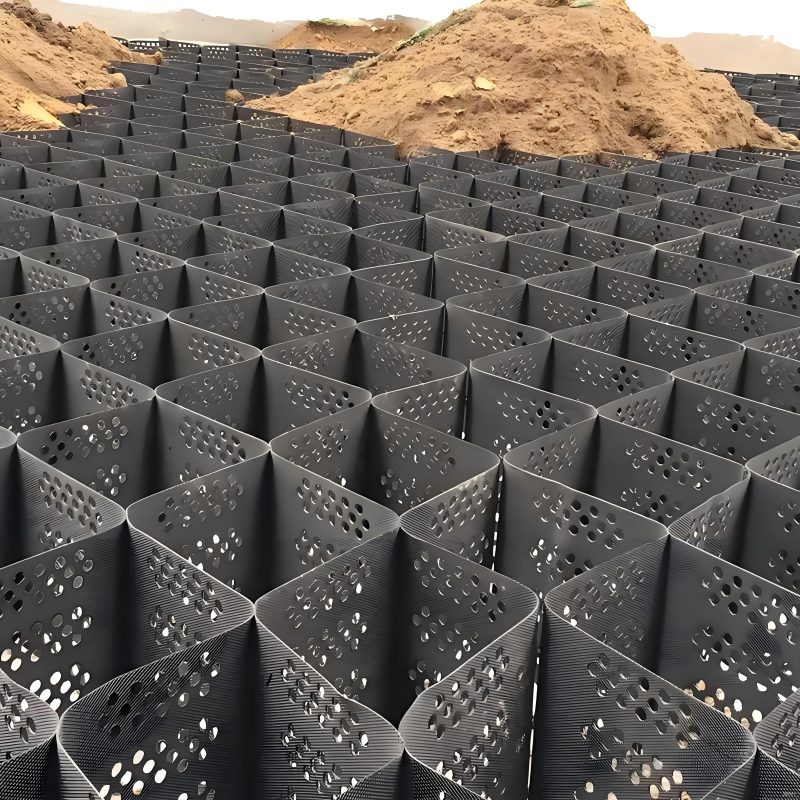
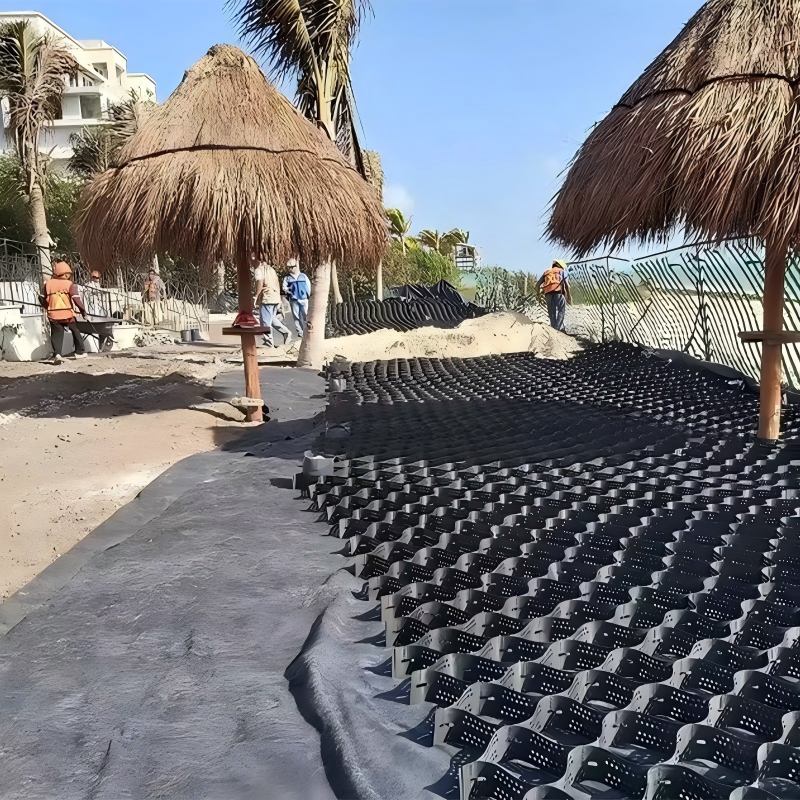
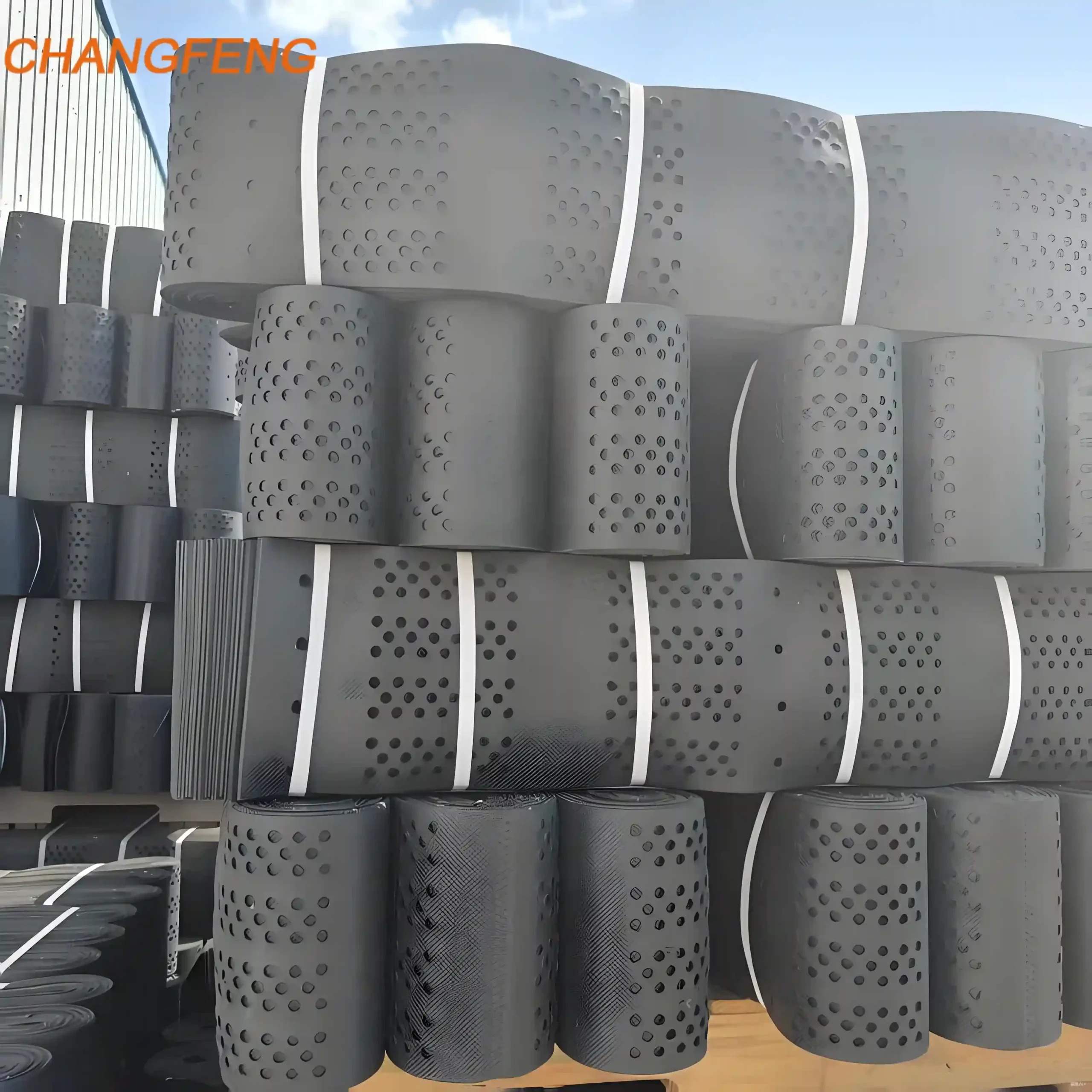
HDPE Road Grid Road Base Stabilization System is placed in unbound pavement strata. Once opened on the prepared formation, the honeycomb grid is charged with graded stone, sand blend, recycled aggregate, or approved mineral aggregate bed. The compartments hold particles together and limit sideways shoving.
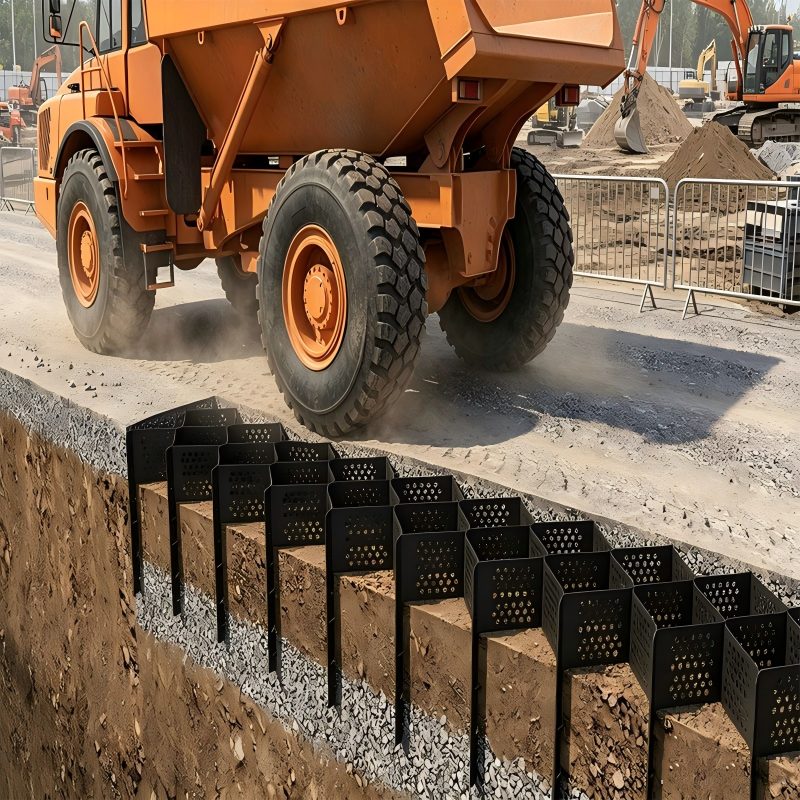
This is valuable over soft clay, wet formation, loose sand, or variable ground. The confined base spreads axle loads and protects the soil below. It can be used under paved carriageways, gravel roads, worksite access, storage yards, and maintenance routes.
The stratum gives restraint through profile rather than only across a flat plane. During compaction and traffic, the walls preserve base thickness and reduce aggregate migration, supporting lower rut development and better use of approved nearby aggregate bed.
Designers needs to review axle load, traffic passes, subgrade CBR, moisture table, moisture flow path, aggregate gradation, compaction equipment, and pavement thickness. CHANGFENG supplies different compartment depths, seam intervals, web gauges, mat dimensions, finishes, and section labels for road tenders.
Product Parameter Table
| Road Item | Measure | Design Note | Available Range |
|---|---|---|---|
| Polymer Type | / | / | HDPE web aggregate |
| Panel Role | / | / | Cellular mattress for road base and subbase strata |
| Main Function | / | / | Load spreading, mineral aggregate bed restraint, rut reduction |
| Road Category | / | Tender-based | Highway, access road, service road, yard, temporary route |
| Cell Depth | mm | Tender-based | 50 / 75 / 100 / 150 / 200, selected by pavement pavement plan |
| Seam Interval | mm | Tender-based | 330-1000, adjusted for mat opening |
| Strip Gauge | mm | Tender-based | 1.0-1.7, or road tender-specified value |
| Surface Option | / | / | Textured or smooth web finish |
| Fill Material | / | Tender-based | Graded stone, sand blend, recycled aggregate, or approved mineral aggregate bed |
| Delivery Form | / | / | Folded mats or compact packsets for road section staging |
| Order Options | / | / | Section label, mat dimension, color, OEM/ODM parcel |
| Factory Location | / | / | Shandong, China |
Application Scenarios
1. Highway Base and Subbase Reinforcement
For paved road sections over weak or variable ground, road grid can be placed within the base or subbase stratum to confine aggregate and help distribute traffic loads more evenly ahead of the asphalt or concrete surface is completed.
2. Rural and Low-Volume Roads
Rural roads often need a practical way to improve bearing capacity without excessive imported aggregate. Road Grid confinement can help stabilize locally available aggregate bed when it meets the road tender requirement, reducing aggregate loss and repeated grading work.
3. Construction Access Roads
Temporary access roads must carry trucks and equipment ahead of the permanent site is finished. Folded road grid mats can be deployed quickly, charged with mineral aggregate, and used to create a stronger working route across soft or disturbed ground.
4. Industrial Yards and Parking Areas
Yards, storage areas, and parking zones face turning wheels and concentrated loads. A confined base stratum helps reduce aggregate migration and nearby deformation, especially where moisture flow and compaction are properly managed.
5. Haul Roads and Service Routes
Mining, energy, forestry, and utility road tenders often need service roads that handle repeated heavy vehicles. Road Grid can support the aggregate stratum and reduce rut development when the pavement plan matches vehicle weight, subgrade condition, and maintenance plan.
Quality Control
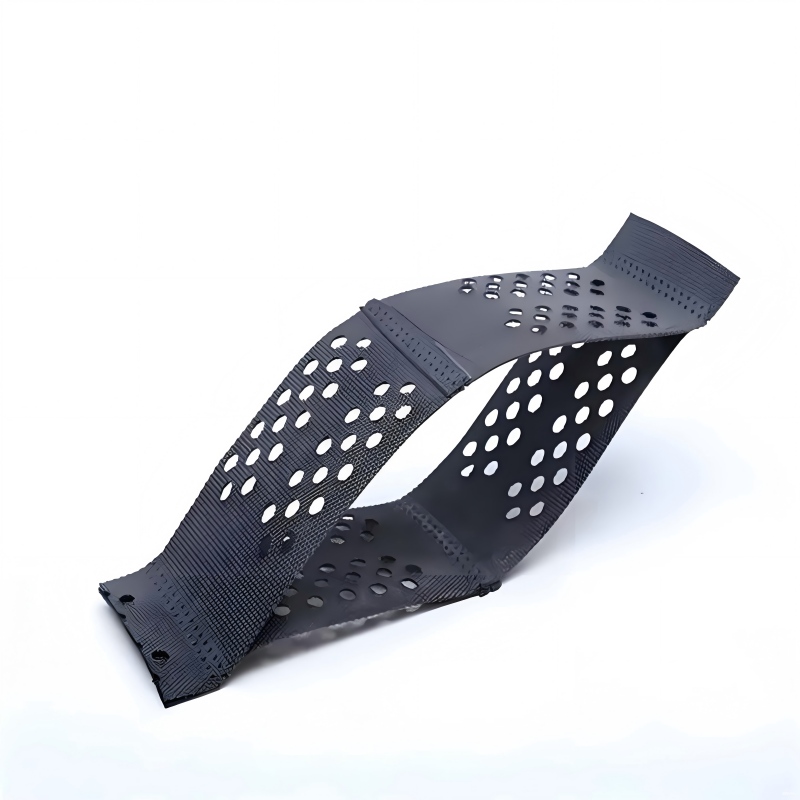
For pavement applications, CHANGFENG checks the road grid with attention to mat opening consistency, weld interval, seam strength, web gauge, surface texture, and packset condition. A road mat must expand quickly, stay aligned during filling, and keep a reliable confinement profile when aggregate is spread and compacted.
CHANGFENG checks road road grid mats for HDPE web quality, weld spacing accuracy, welding strength, mat opening shape, surface finish, and finished packset condition. For road base use, stable compartment dimensions are important because the mat must open evenly, receive aggregate smoothly, and keep the designed confinement profile during filling and compaction.
Order preparation can follow the road plan by section, lane, chainage, or work parcel. Batch numbers, label photos, loading images, bundling lists, and export papers can be supplied when needed. If the tender asks for a specific inspection item or sample format, it needs to be confirmed ahead of the manufacturing schedule is locked.
For road tender orders, buyers can confirm the target road type, traffic condition, subgrade condition, selected compartment profile, mat size, and bundling label ahead of production. Batch information, parcel photos, loading records, and export papers can be prepared for road builders who need dispatch control across different road sections.
Packing and Delivery
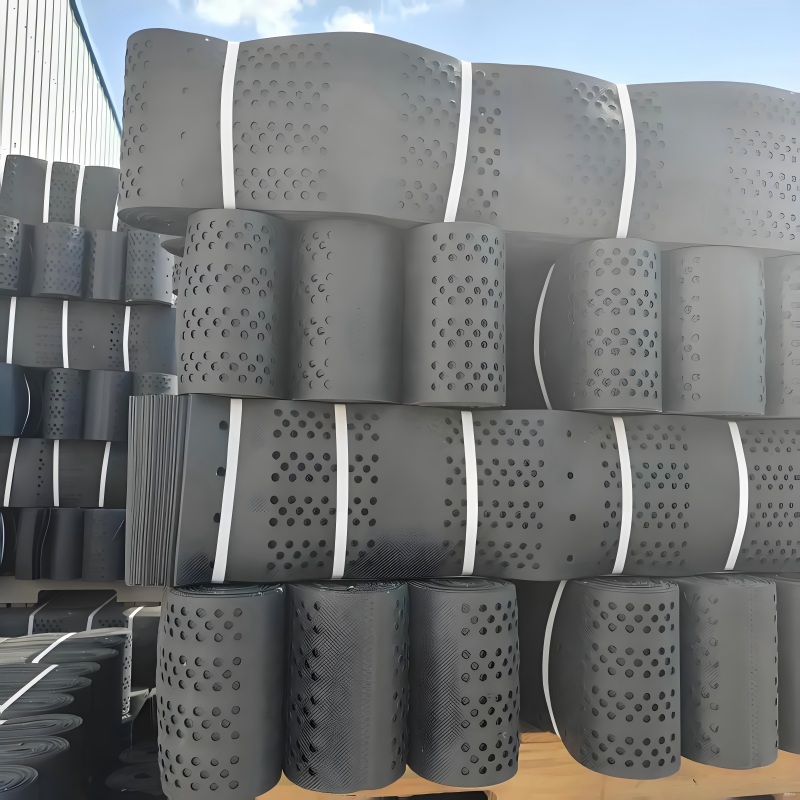
Road road grid is shipped as folded mats or compact packset sets, making it easier to stage aggregate along a long corridor. Package labels can show compartment profile, weld interval, mat dimension, quantity, batch code, and road section. For large tenders, CHANGFENG can split shipments by chainage or construction zone so crews receive the right mats for each work front.
Road road grid mats are folded into compact packsets or palletized sets to reduce shipping volume and simplify movement along the construction route. Package marks can show compartment profile, weld spacing, mat size, quantity, batch number, and road section code. For long road tenders, CHANGFENG can organize dispatch batches by chainage, work zone, or road builder schedule.
FAQ
Q1: What problem does road grid solve in road construction?
A: It helps keep mineral base aggregate from spreading under traffic. This improves stratum stability and can reduce rutting where the ground below is weak or uneven.
Q2: Is it only for paved highways?
A: No. It can be used below paved roads, gravel roads, temporary access routes, industrial yards, and haul roads when the pavement plan calls for a confined mineral stratum.
Q3: Can recycled aggregate be used?
A: It may be used if the recycled aggregate meets the road tender requirements for grading, strength, moisture flow, and compaction. The engineer or road builder needs to approve the aggregate bed ahead of installation.
Q4: How does compartment profile affect performance?
A: Deeper compartments hold a thicker confined stratum and are often selected for weaker soil or heavier traffic. The final choice depends on pavement pavement plan and site conditions.
Q5: What installation equipment is normally needed?
A: Typical work uses grading tools, fixing pins or connectors, aggregate spreading equipment, and compaction equipment. The exact method depends on road width and site access.
Q6: What data needs to be sent for quotation?
A: Please send road length, road width, soil condition, expected vehicle load, preferred compartment profile, mat size, aggregate bed aggregate, order quantity, port, and paper needs.
Q7: Can the shipment be divided by road section?
A: Yes. Packages can be marked by chainage, lane, work zone, or batch number to help road builders unload and install aggregate in the planned sequence.

Textured HDPE Geomembrane
Smooth Geomembrane HDPE Liner
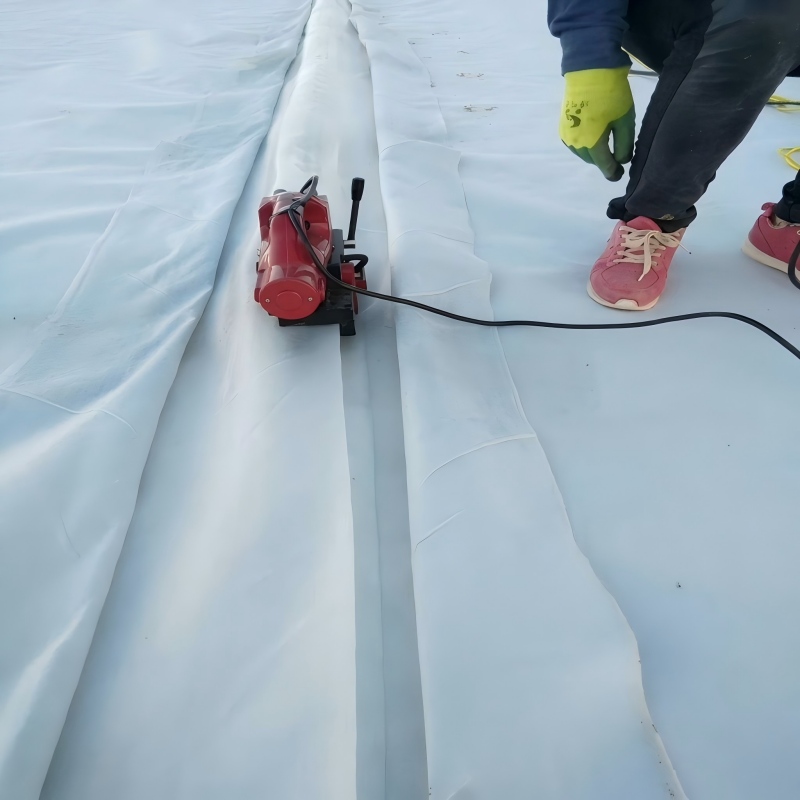
Composite Geomembrane Liner
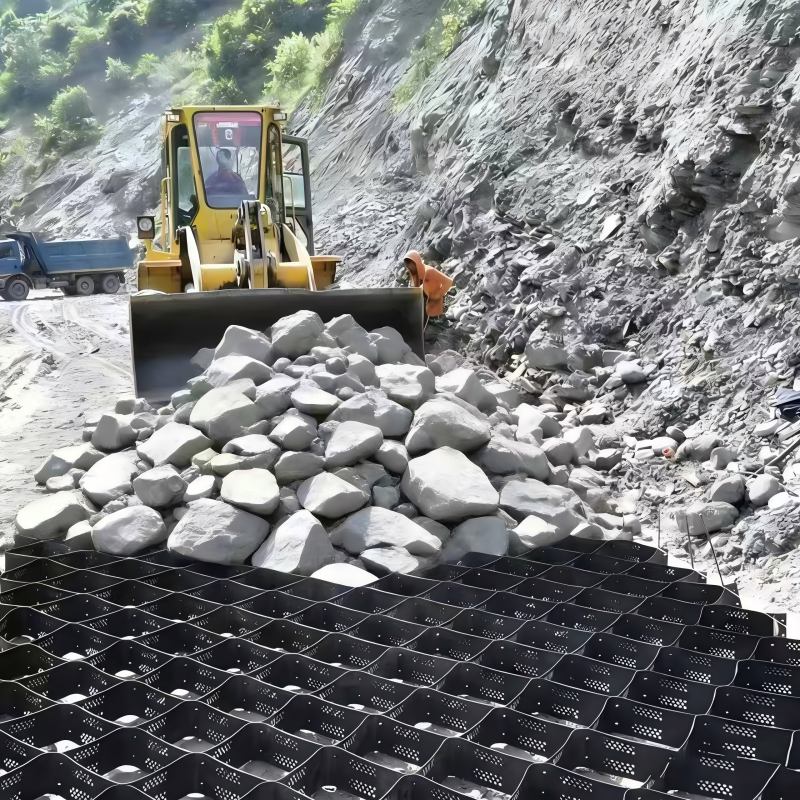
Channel Protection
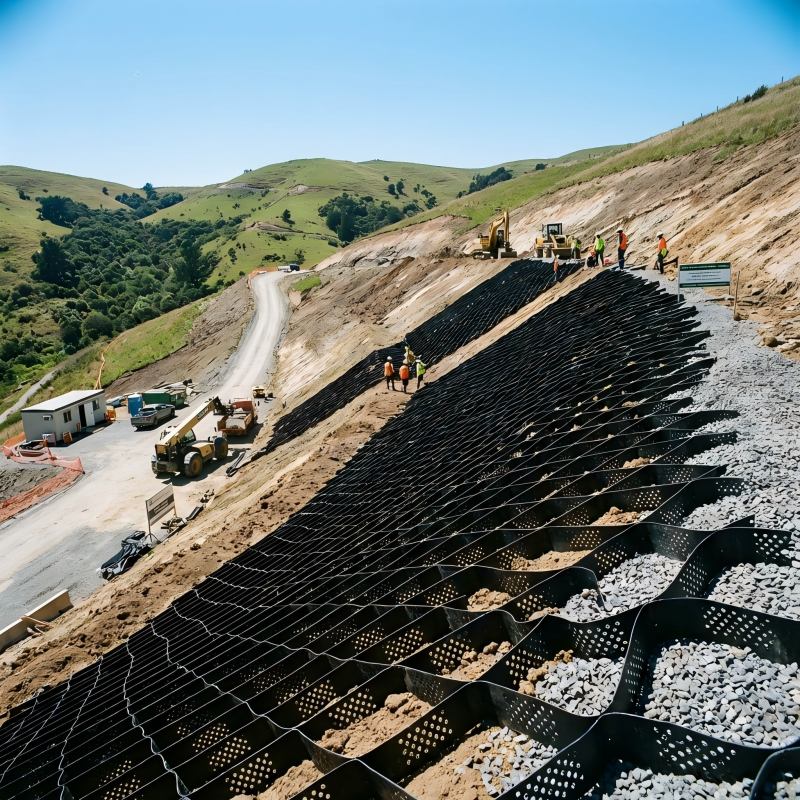
Erosion Control for Slopes
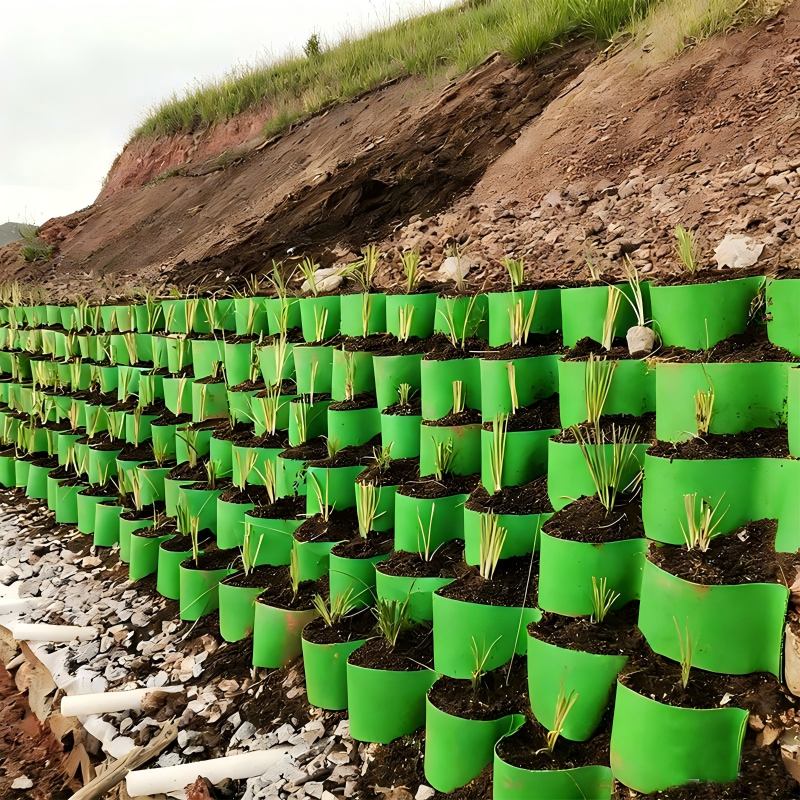
Retaining Walls
News & Announcements
Recent Articles
 18th September 2026
What Is a Geocell? How Cellular Confinement Systems Work
 11th September 2026
How to Choose Geocell Height, Cell Size and Sheet Thickness
 4th September 2026
5 Best Geocomposite Manufacturers for Global Buyers
 28th August 2026
Geomembrane vs Geotextile: Functions, Differences and When to Use Each
 21st August 2026
What Is a Geomembrane? Types, Materials, Uses and How It Works
 1st June 2026
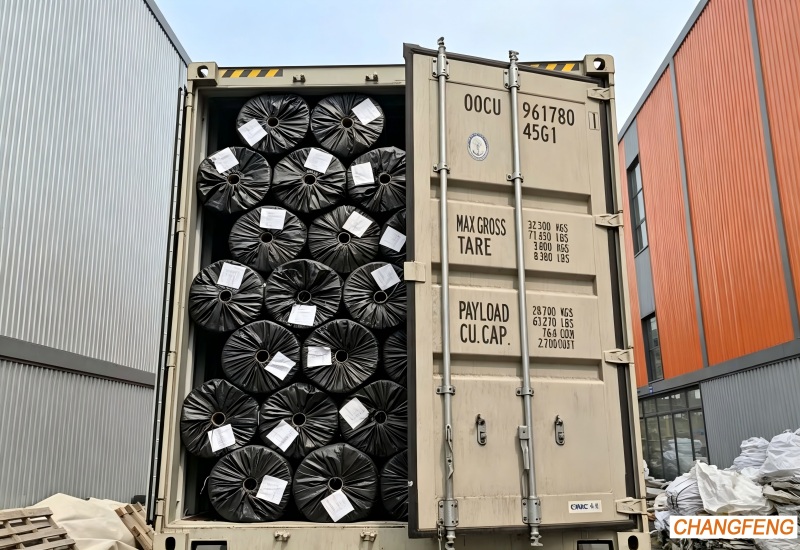
Destination: Global Markets. Another Batch of Certified Geomembranes Leaves Our Facility
Service Service Service Service Service Service Service Service
Our Service

Factory-Direct Price Advantage

Stable Supply Chain
Wide Product Portfolio

Technical and Product Support

Brand and Market Support
What Are You Looking For?

More Than a Manufacturer
Your Solutions Partner
We bridge the gap between factory-direct efficiency and engineering expertise. Whether you're navigating strict regulations or complex site conditions, our team delivers the 'Unseen Strength' your project requires through deep technical collaboration.

Expert Collaboration

Factory Authority

Innovative Solutions
Get A Quote