Erosion Control for Slopes
- Rainfall Runoff Control for Exposed Cut and Fill Slopes
- Supports Vegetation Establishment, Gravel Cover, or Hard Infill
- Textured HDPE Cell Walls Help Reduce Infill Sliding
- Adjustable cell height, weld spacing, sheet gauge, panel size, and surface finish
- Brand CHANGFENG | Manufactured in Shandong, China
- OEM/ODM supply for slope protection projects and bulk procurement
-
 Geocell Technology
Download
Geocell Technology
Download
How Does HDPE Geocell Help With Slope Erosion?
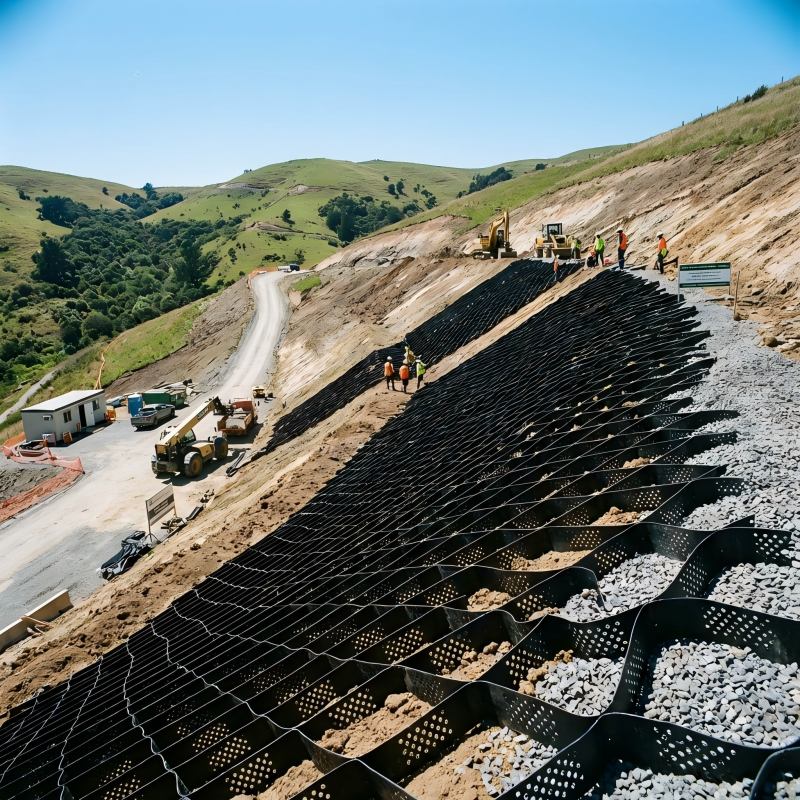
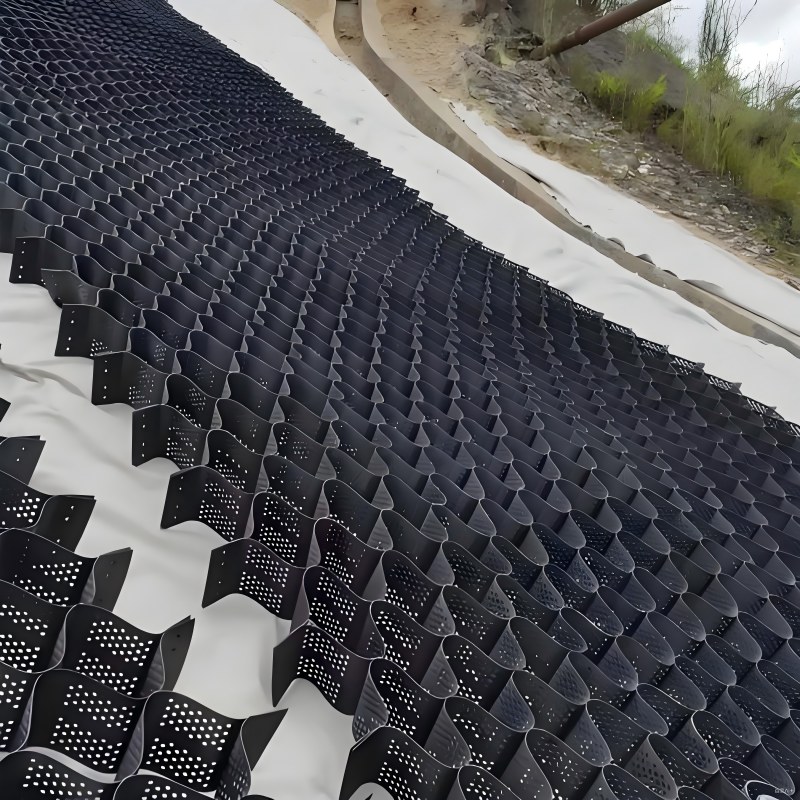
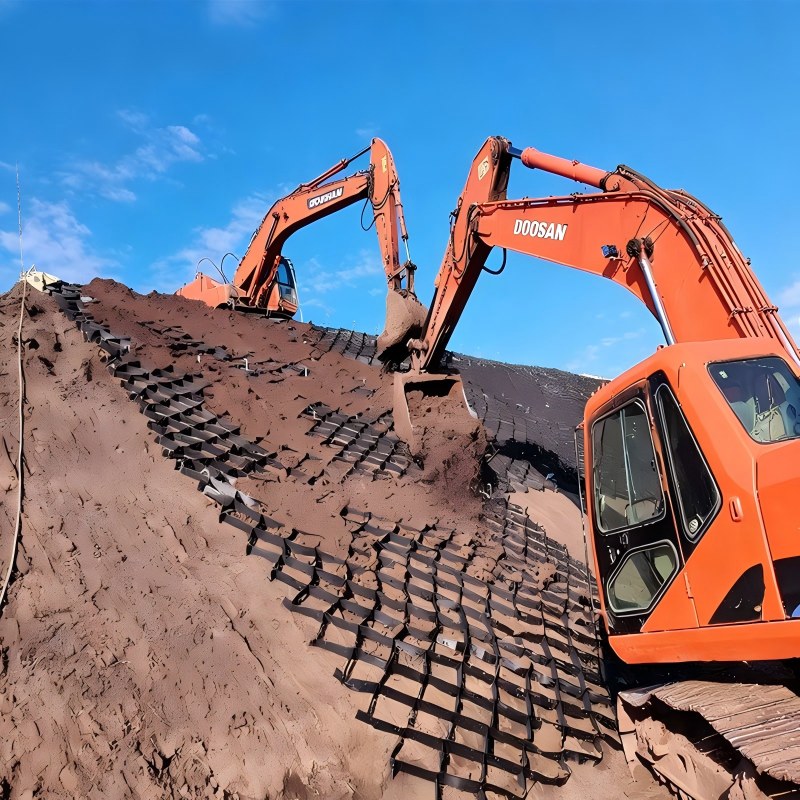
HDPE Geocell for Slope Erosion Control is a three-dimensional confinement product produced from welded polyethylene strips. When it is opened across a prepared slope, the panel becomes a group of connected cells. These cells hold the selected cover material and make the slope surface less likely to lose soil during heavy rain.
The system is useful on places where bare soil, fine aggregate, or young planting layers may move before the site becomes settled. Instead of leaving the surface loose, the cellular grid divides the slope into smaller pockets. Each pocket limits sideways and downhill movement, so the filled layer can resist sheet flow, small rills, and local washout more effectively.
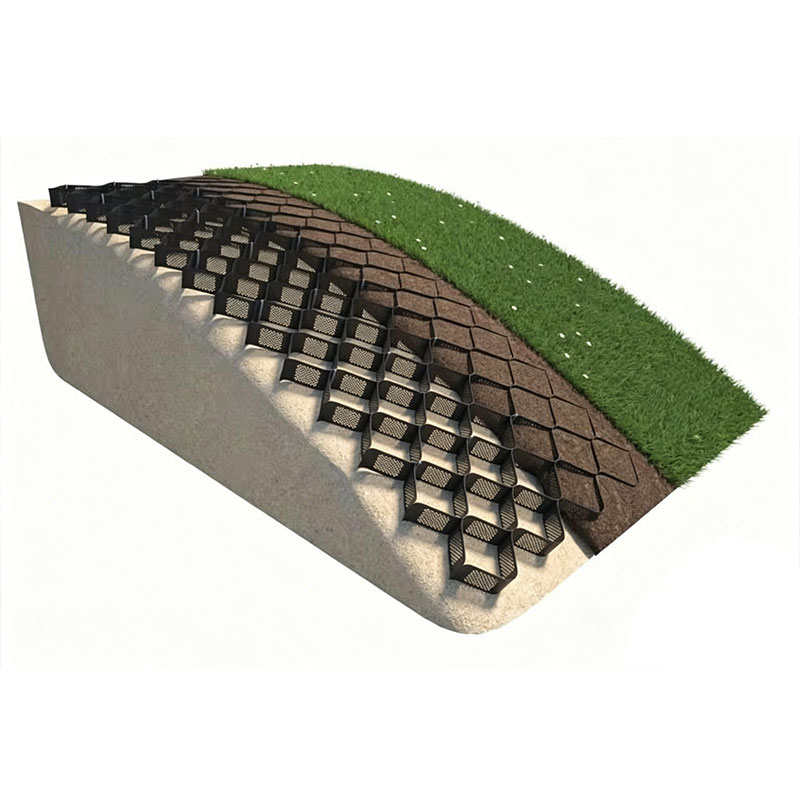
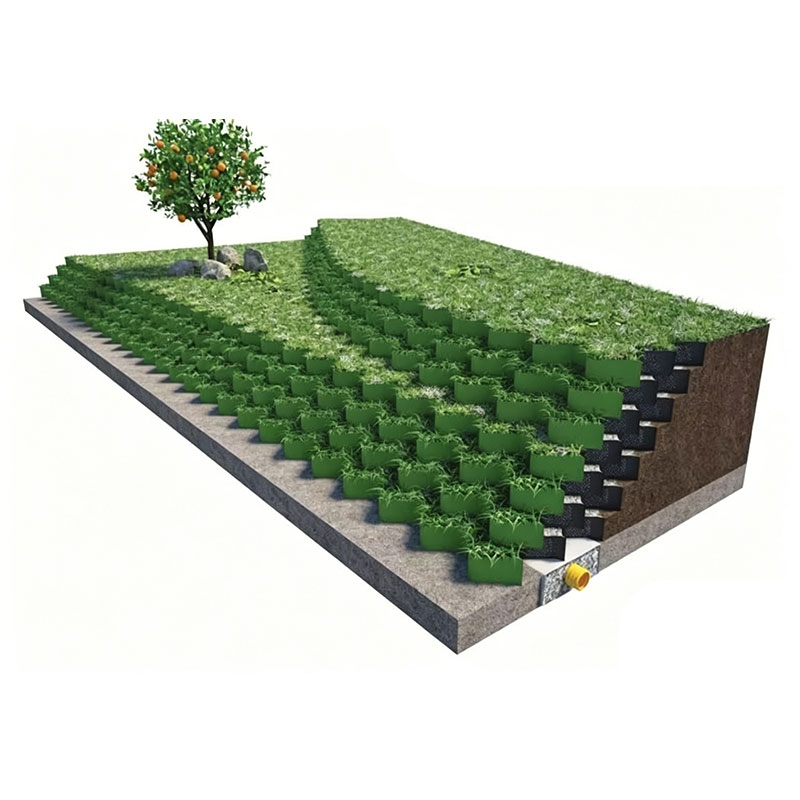
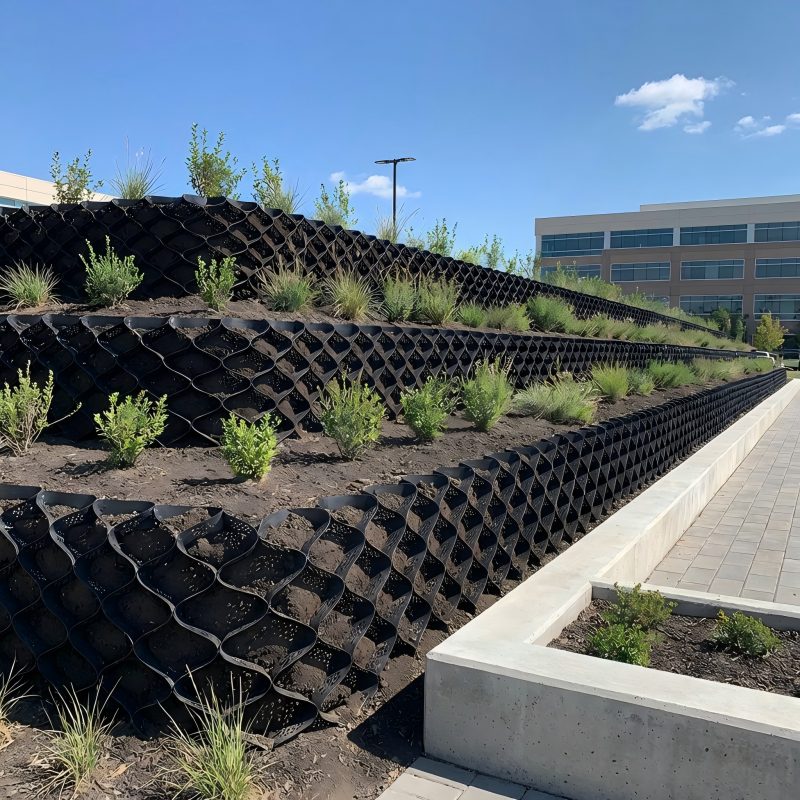
For green slope work, the cells can be filled with topsoil or a planting mix so grass roots have a protected space to grow. For higher runoff areas, gravel, crushed stone, or concrete can be selected according to the design. This gives engineers a flexible option between soft landscape protection and stronger surface armoring.
Project teams can choose the cell height, weld spacing, sheet thickness, surface texture, panel dimension, and packing method before production. Anchors, drainage measures, slope angle, soil type, and expected rainfall should be checked together during design. With the right infill and fixing method, CHANGFENG geocell helps create a cleaner, easier-to-maintain slope surface for long-term project use.
Product Parameter Table
| Parameter | Unit | Test Standard | Specification Range |
|---|---|---|---|
| Polymer | / | / | High-density polyethylene (HDPE) |
| Product Form | / | / | Welded expandable cellular confinement panel |
| Slope Function | / | / | Surface erosion control, infill retention, vegetation support |
| Recommended Areas | / | / | Road embankment, rail slope, landfill cover, reclaimed mine, reservoir bank |
| Cell Height | mm | Project-based | 50 / 75 / 100 / 150 / 200, customized by slope condition |
| Weld Spacing | mm | Project-based | 330-1000, selected by design requirement |
| Sheet Thickness | mm | Project-based | 1.0-1.7, or agreed project specification |
| Surface Finish | / | / | Textured for better grip, smooth optional |
| Infill Choice | / | / | Topsoil, planting media, gravel, crushed stone, or concrete |
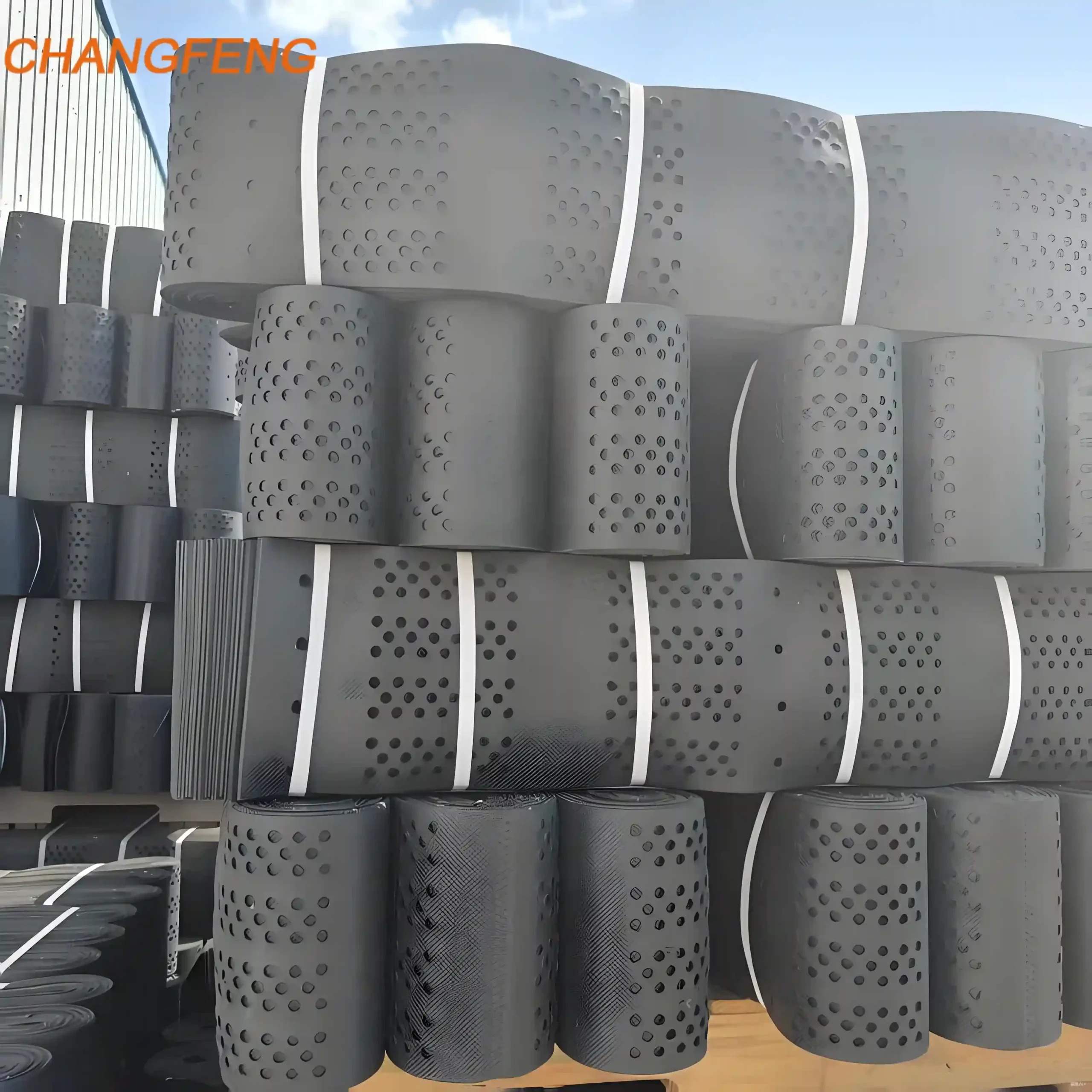
| Supply Format | / | / | Folded panel bundles or palletized project packing |
| Customization | / | / | Panel size, color, package mark, OEM/ODM service |
| Manufacturing Base | / | / | Shandong, China |
Product Features and Benefits
1. Stable Cellular Confinement for Slope Surfaces
CHANGFENG HDPE Geocell forms a three-dimensional confinement layer over exposed slopes. Once the cells are filled, the system helps keep soil, aggregate, or planting media in place and reduces surface movement caused by rain, runoff, and gravity.
2.Better Erosion Control After Rainfall
Bare slopes can quickly develop rills and gullies when stormwater runs down the surface. Geocell divides the slope cover into smaller confined sections, slowing material loss and helping the surface remain more stable after repeated wet and dry cycles.
3.Supports Vegetated and Hard-Cover Designs
For green slope protection, the cells can be filled with topsoil or vegetation media to support plant growth. For steeper or more exposed sections, gravel or concrete infill can be used to form a stronger protective layer.
4.Flexible Fit for Uneven Terrain
The folded geocell panels are expanded on site and can follow natural ground shapes more easily than rigid slab systems. This makes the product useful for repaired slopes, embankments, cut slopes, and irregular project surfaces.
5.Reduced Maintenance Pressure
By holding the infill inside each cell, the system helps reduce washout and repeated surface repair. It can also protect young vegetation during the early growth period, when roots are not yet strong enough to hold the soil alone.
6.Customizable for Project Requirements
Cell height, welding distance, sheet thickness, surface texture, panel size, color, and packaging can be adjusted according to slope gradient, infill type, installation method, and project documentation needs.
Application Scenarios
1. Road Cut Slopes and Embankment Faces
New road projects often expose soil on both cut slopes and filled shoulders. Geocell creates small confinement pockets that help the cover layer stay in place after rain, reducing shallow grooves, bare patches, and repeated surface repair work.
2. Rail Corridors and Service Access Slopes
Railway corridors need reliable drainage and a stable side slope. When geocell is installed with suitable anchors and infill, it helps protect embankment faces while keeping inspection routes and drainage edges easier to manage.
3. Landfill Caps and Environmental Cover Slopes
On landfill cover systems, newly placed soil may be exposed before plants have grown. Geocell can hold cover soil on inclined surfaces and reduce the risk of local washout, especially where temporary runoff channels or perimeter drains are part of the design.
4. Mine Reclamation and Remote Hillside Work
Reclaimed mine slopes may have poor soil structure and limited access for heavy machines. Folded panels are convenient to deliver to these locations. After expansion, local fill can often be used when it meets project requirements, lowering handling pressure on the site.
5. Reservoir Banks and Water Project Slopes
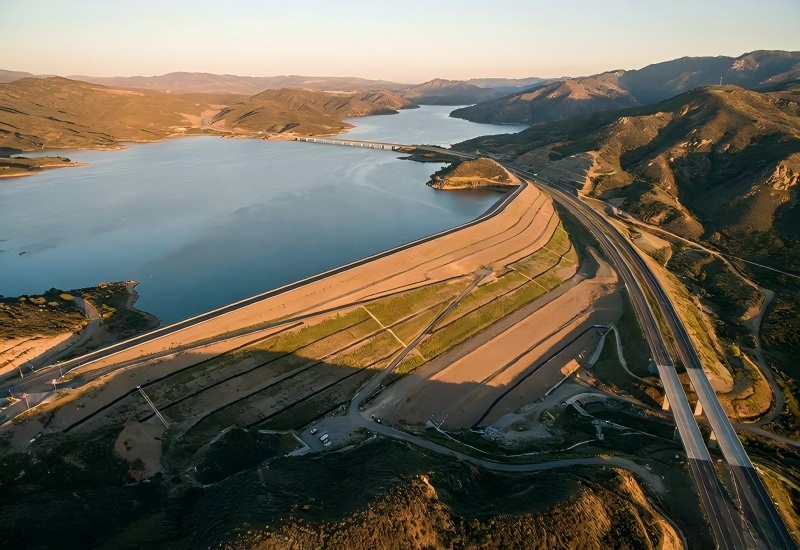
For reservoir banks, irrigation channels, and water control works, the cellular surface can support planted cover on upper banks or stronger mineral infill where runoff is more active. The design should match water level change, slope angle, and maintenance access.
Quality Control
CHANGFENG checks slope geocell production with attention to polymer quality, strip forming, weld consistency, panel opening size, surface texture, and finished-panel appearance. For erosion control projects, the inspection focus is not only the product dimension, but also whether the supplied panel can open smoothly, connect correctly, and match the specified anchor and infill plan.
Before shipment, the order can be organized by project area, specification, batch number, and package mark. Customers may request photos of expanded panels, package labels, loading records, or test-related documents. If the project owner requires third-party testing, special sample rules, or a named standard, these points should be confirmed before mass production starts.
Packing and Delivery
Geocell panels for slope work are compressed into manageable bundles or palletized sets to save container space and make site distribution easier. Package marks can show product name, cell height, weld spacing, panel quantity, batch code, and destination information. For large projects, CHANGFENG can arrange packing by slope zone or delivery stage so the contractor can unload, store, and install the material with less sorting on site.
FAQ
Q1: Why use geocell instead of only spreading topsoil on a slope?
A: If you just lay loose dirt, heavy rain quickly washes it away before deep roots can grow. A geocell neatly splits the hill into safe, small boxes. These boxes tightly trap the dirt or plant mix inside.
Q2: Can the product be used for both green and hard slope protection?
A: Yes. You can pack it with soft topsoil to grow green plants. You can also use small gravel, or pour wet concrete for a super tough surface. The final choice safely depends on your exact project design.
Q3: What should be considered before installation on a steep slope?
A: Builders must carefully check the hill angle, dirt strength, and rain flow. They also look at anchor spacing, water drainage, fill weight, and safe worker access. These important facts completely change the needed cell height and fixing method.
Q4: Does textured HDPE help the infill stay in place?
A: Yes! Rough, textured cell walls easily grab onto dirt, gravel, or soft plant mix. This rough surface adds a lot of extra grip on steep hills. Because of this, the fill material never slides down.
Q5: Which sizes are usually discussed for slope projects?
A: Buyers normally pick out the exact cell height, weld spacing, sheet thickness, and panel size. They also choose the surface type, color, and packing style. Factories can easily adjust all these things for custom orders.
Q6: What information should be sent for a faster quotation?
A: Please send the exact slope length, width, and steepness. Also, share your planned fill material, preferred cell height, required quantity, and shipping port. Lastly, please include any special packing rules or test needs.
Q7: How are panels handled at the jobsite?
A: The panels arrive tightly folded in neat bundles. First, workers place them on the slope and stretch the cells wide open. Next, they pin the panel down with strong anchors or connectors. Finally, they safely pour the fill from the bottom all the way to the top.

Textured HDPE Geomembrane
Smooth Geomembrane HDPE Liner
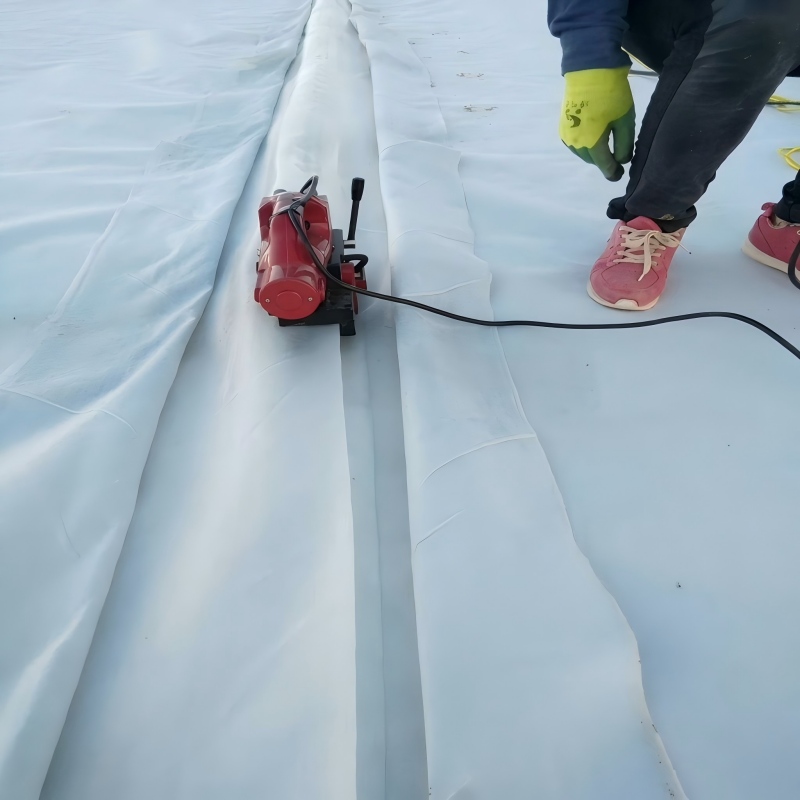
Composite Geomembrane Liner
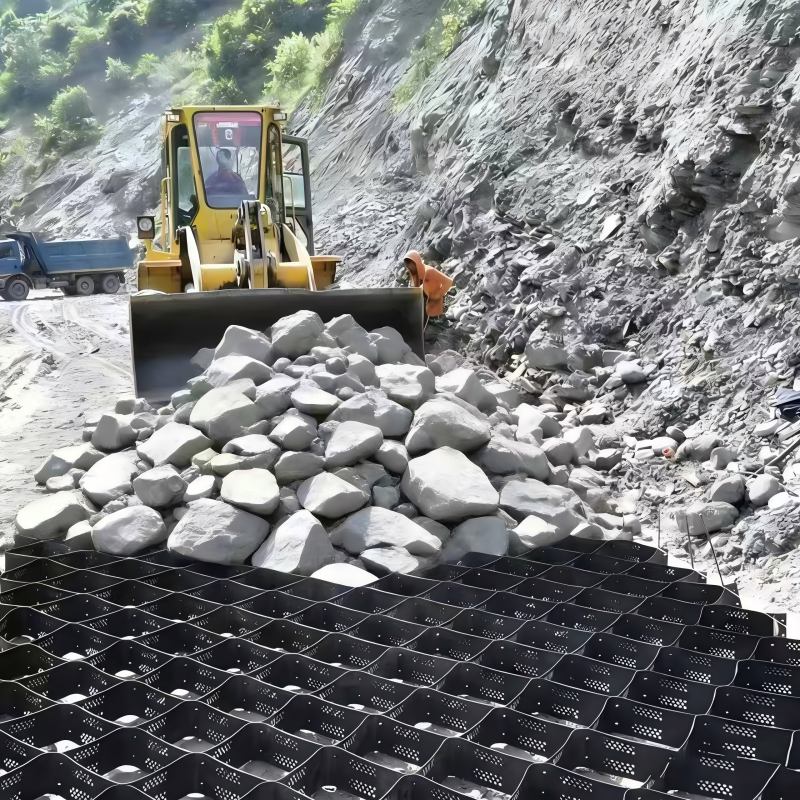
Channel Protection
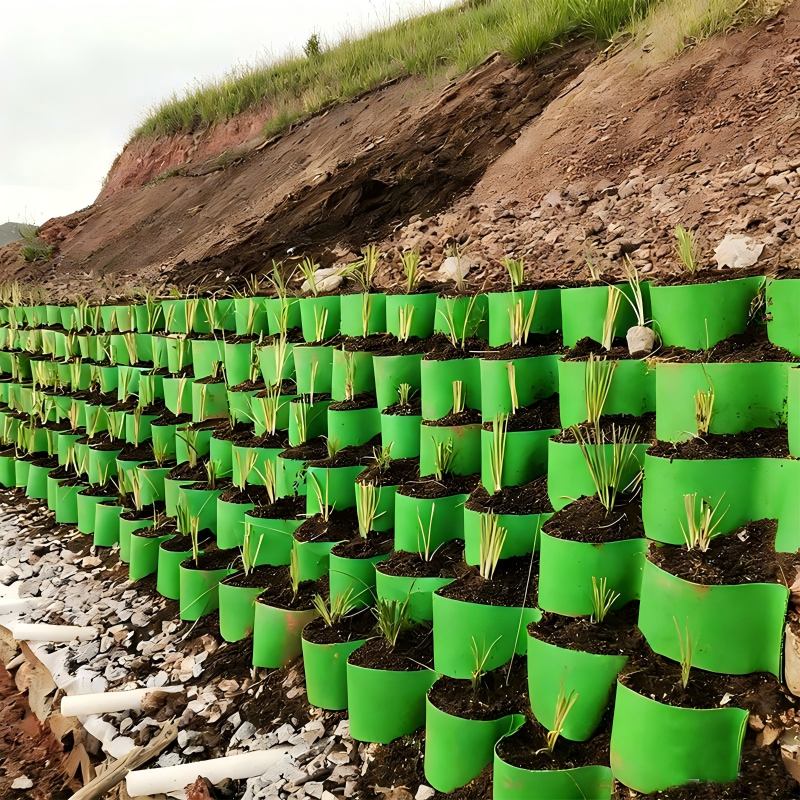
Retaining Walls
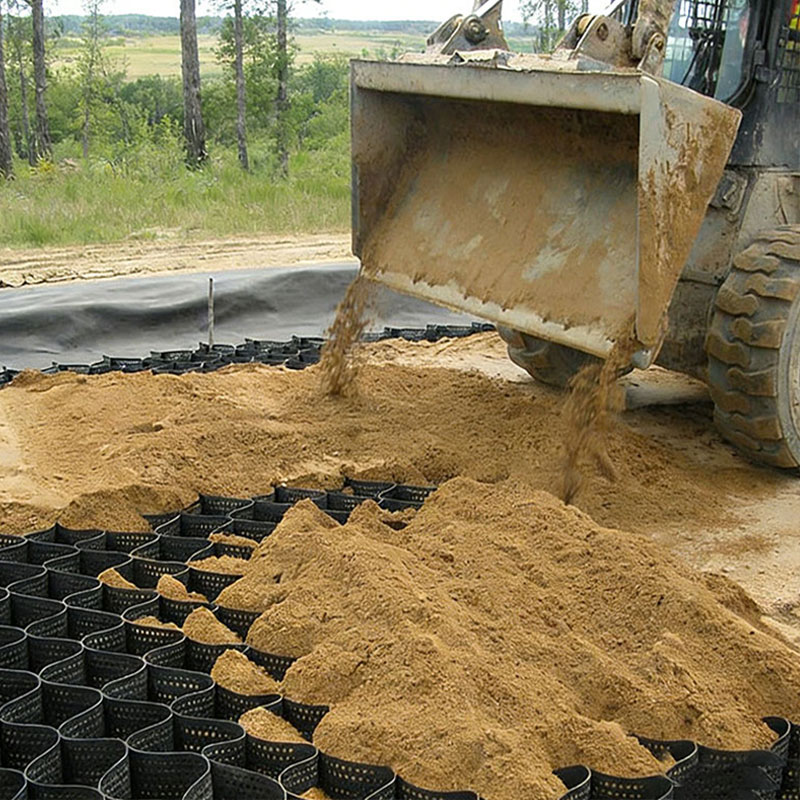
Roads and Highways
News & Announcements
Recent Articles
 18th September 2026
What Is a Geocell? How Cellular Confinement Systems Work
 11th September 2026
How to Choose Geocell Height, Cell Size and Sheet Thickness
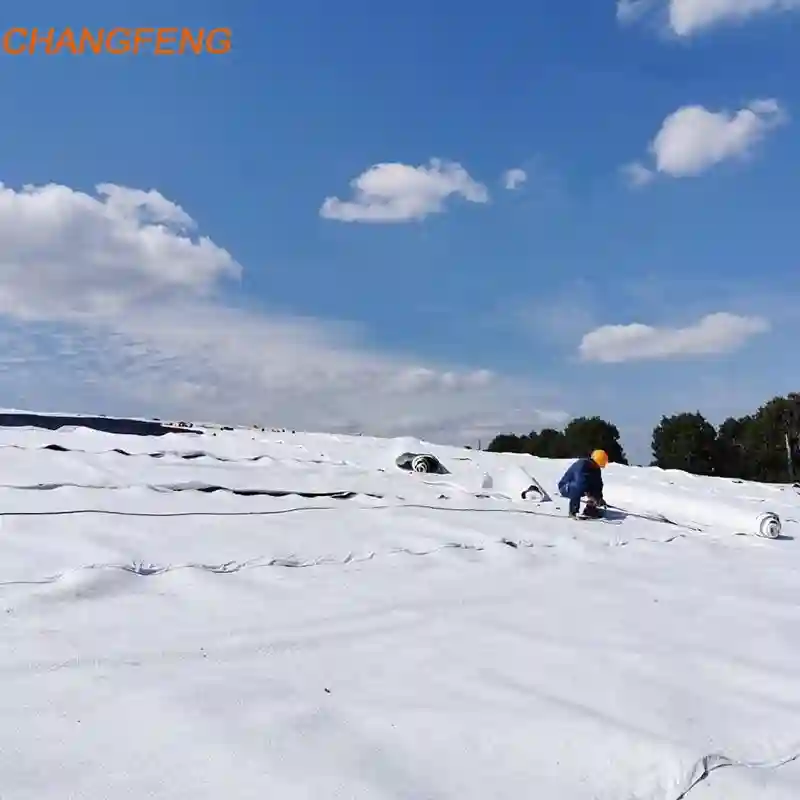 4th September 2026
5 Best Geocomposite Manufacturers for Global Buyers
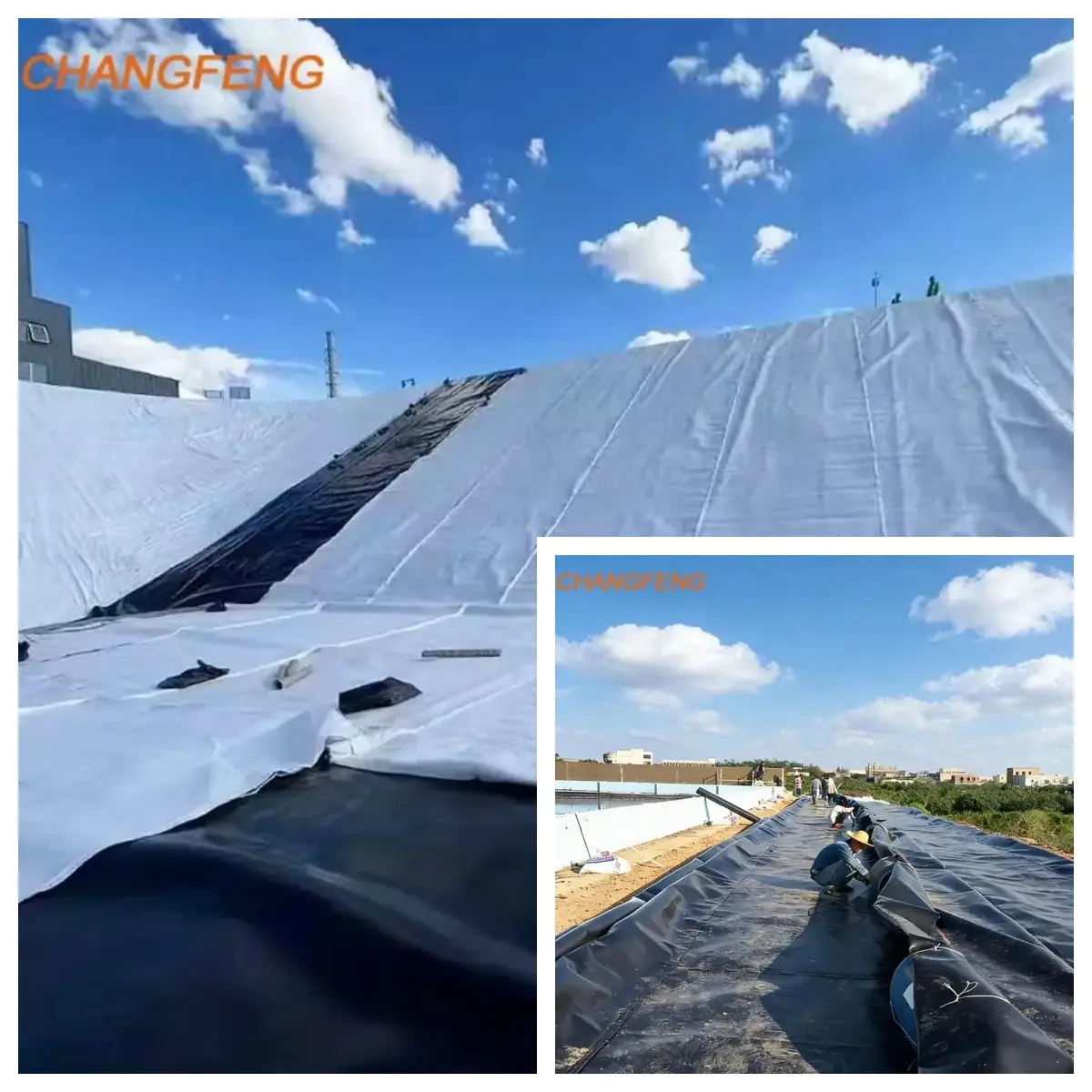 28th August 2026
Geomembrane vs Geotextile: Functions, Differences and When to Use Each
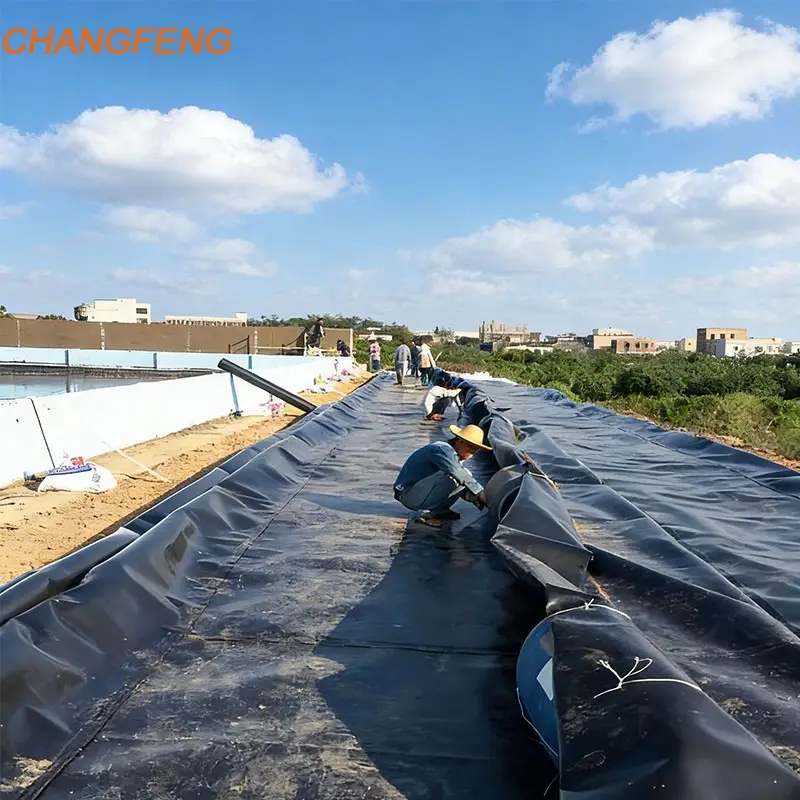 21st August 2026
What Is a Geomembrane? Types, Materials, Uses and How It Works
 1st June 2026
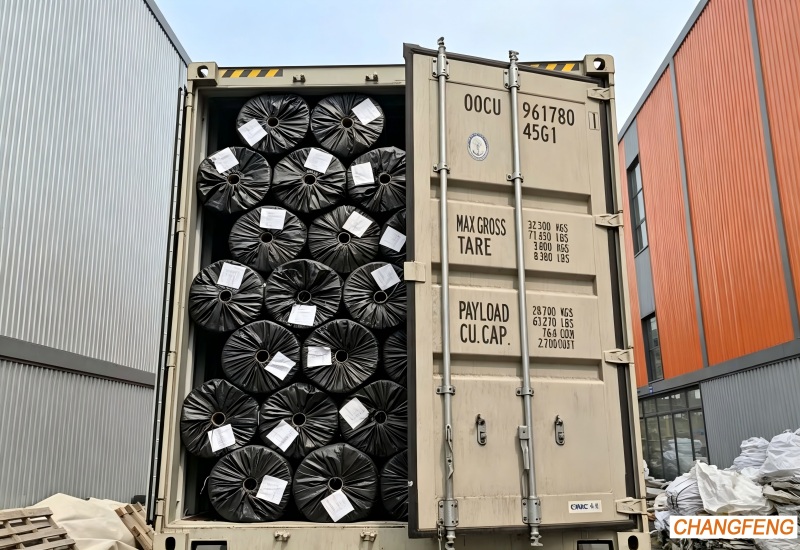
Destination: Global Markets. Another Batch of Certified Geomembranes Leaves Our Facility
Service Service Service Service Service Service Service Service
Our Service
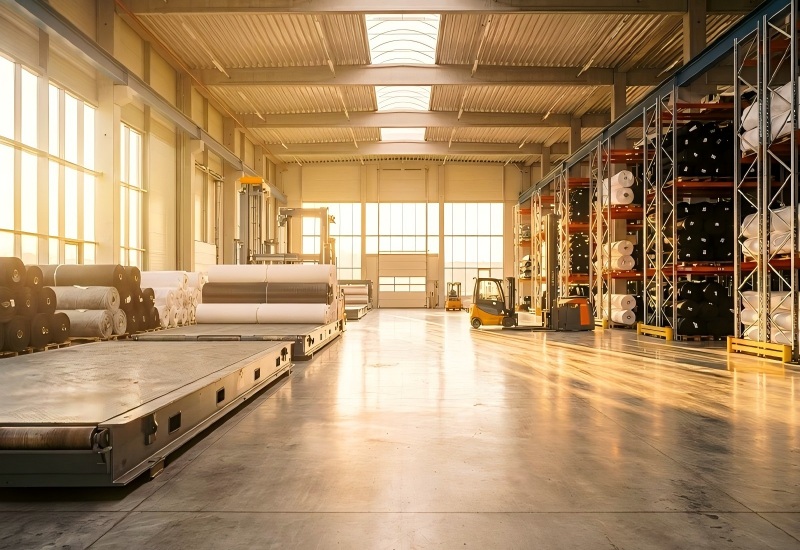
Factory-Direct Price Advantage

Stable Supply Chain
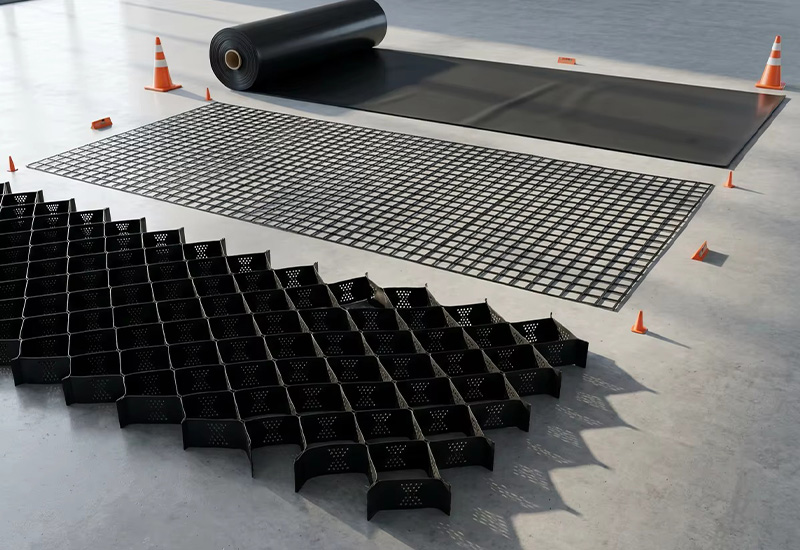
Wide Product Portfolio
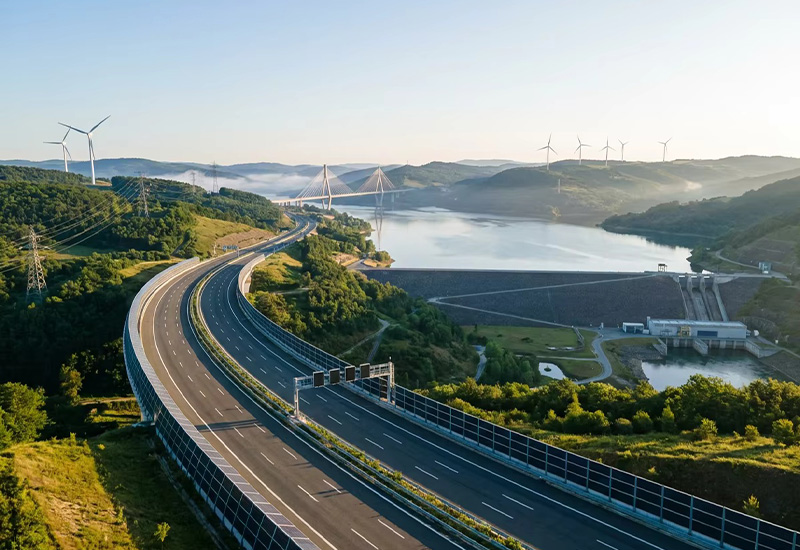
Technical and Product Support

Brand and Market Support
What Are You Looking For?

More Than a Manufacturer
Your Solutions Partner
We bridge the gap between factory-direct efficiency and engineering expertise. Whether you're navigating strict regulations or complex site conditions, our team delivers the 'Unseen Strength' your project requires through deep technical collaboration.

Expert Collaboration

Factory Authority

Innovative Solutions
Get A Quote