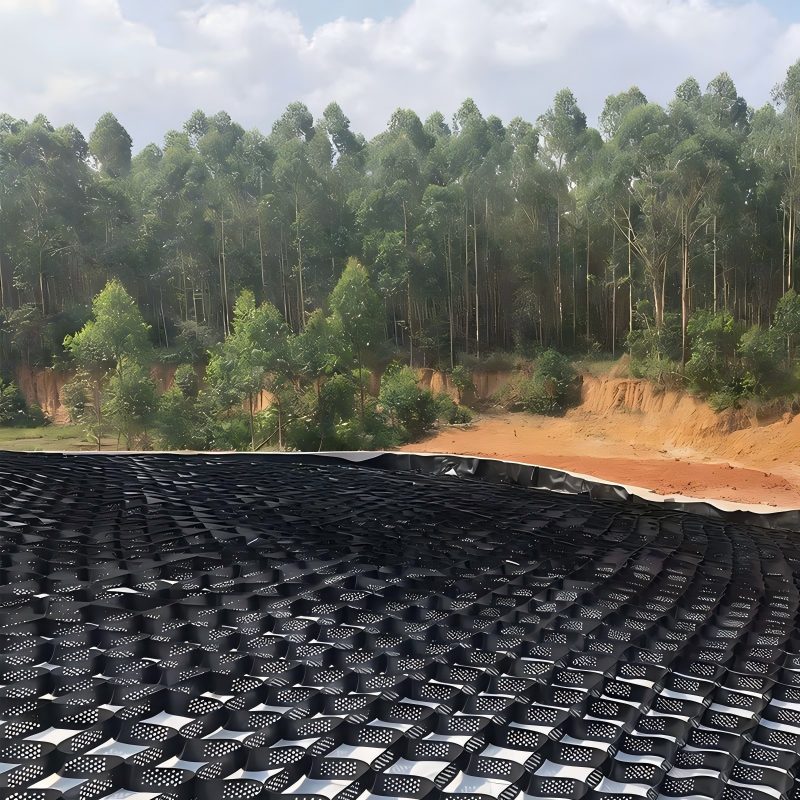
Channel Protection
- Channel Bed, Side Slope and Riverbank Erosion Control
- Suitable for Drainage Ditches, Canals, Swales, Spillways and Water Conservancy Projects
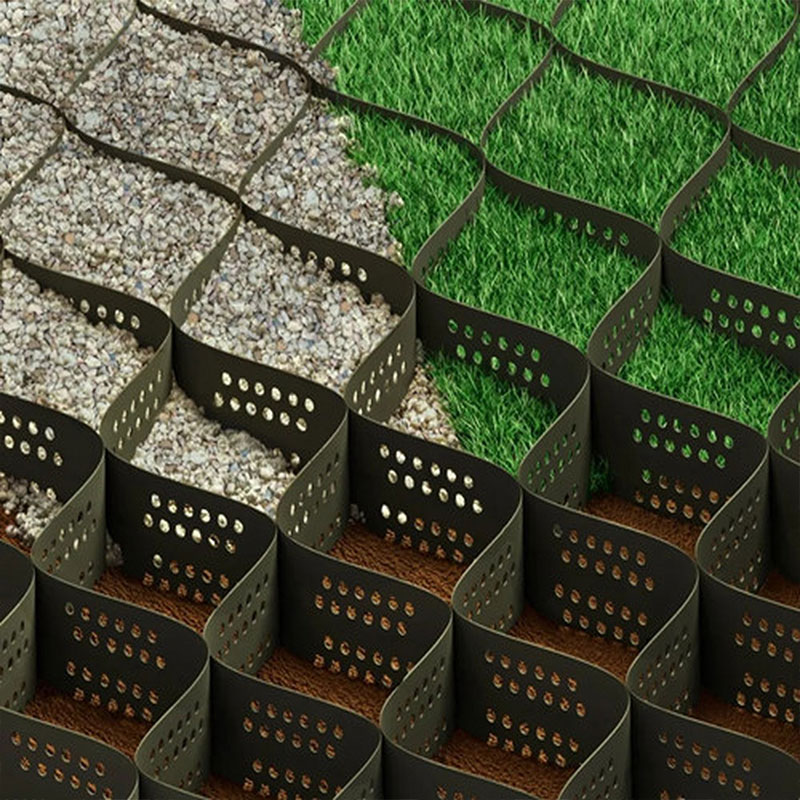
- Soil, Gravel, Vegetation Media or Concrete Infill Options
- Customizable cell height, welding distance, sheet thickness, surface and packaging
- Brand CHANGFENG | Product origin China
- OEM/ODM support and project-based packing for bulk orders
-
 Geocell Technology
Download
Geocell Technology
Download
What Is HDPE Geocell for Channel Protection?
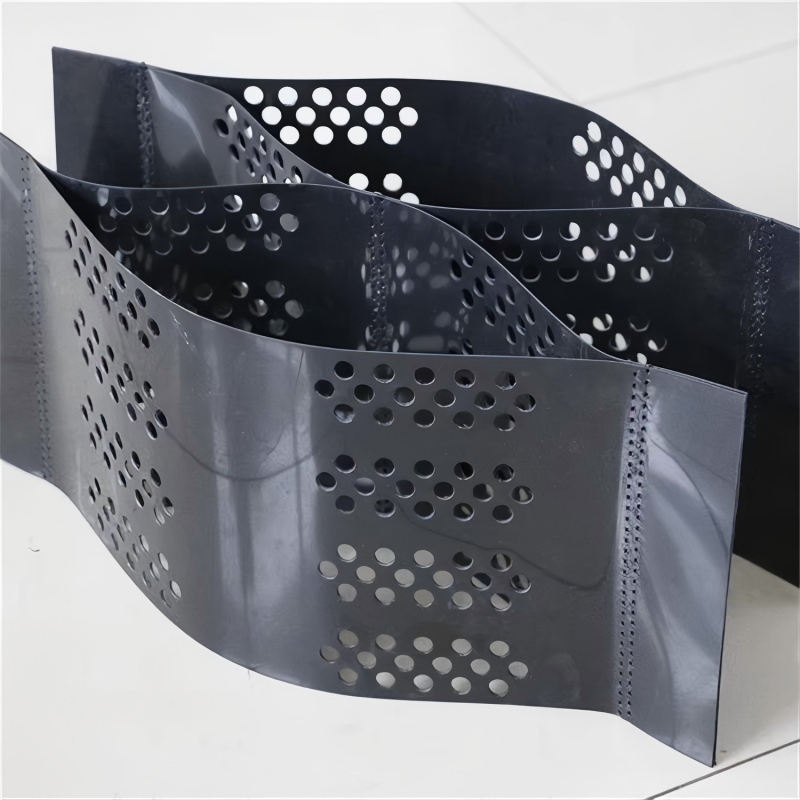
HDPE Geocell for Channel Protection is a 3D cellular confinement system made from tough high-density polyethylene strips. Workers join these strips to build a honeycomb structure. Then, they stretch the panels out at the job site. This creates linked cells across the channel bottom or side slopes.
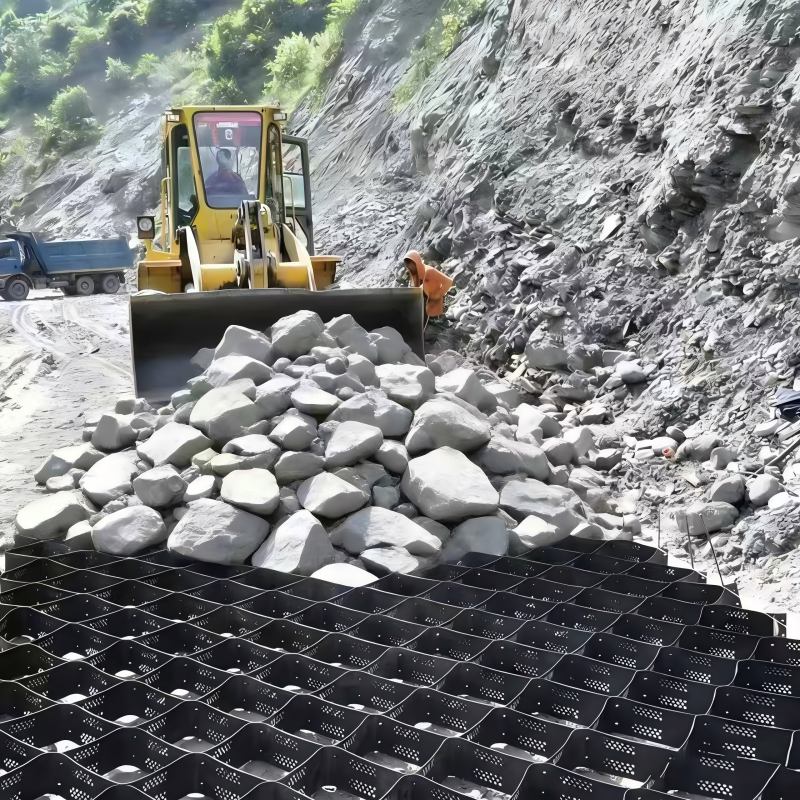
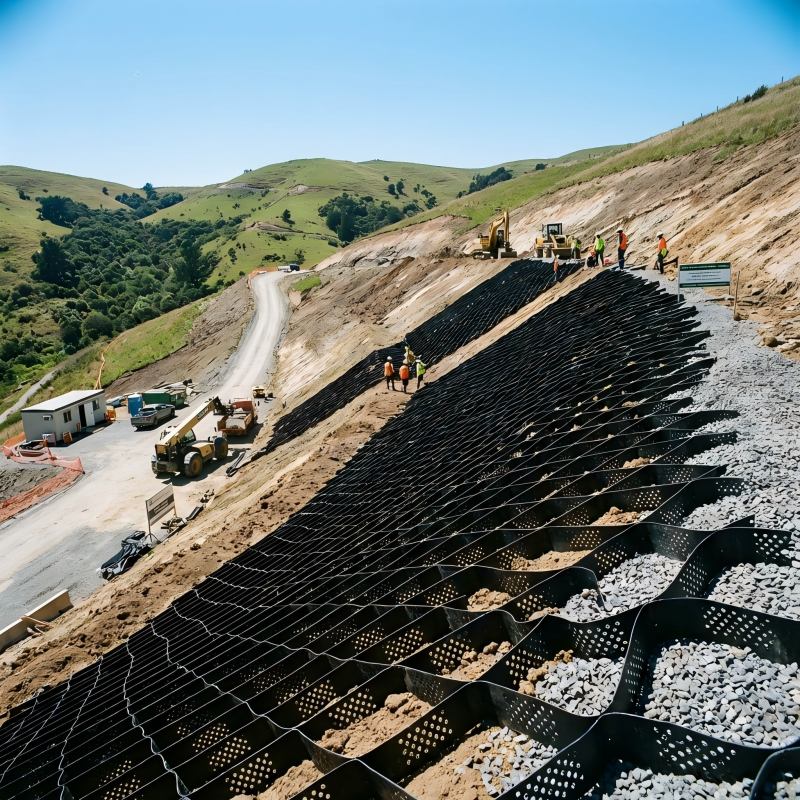
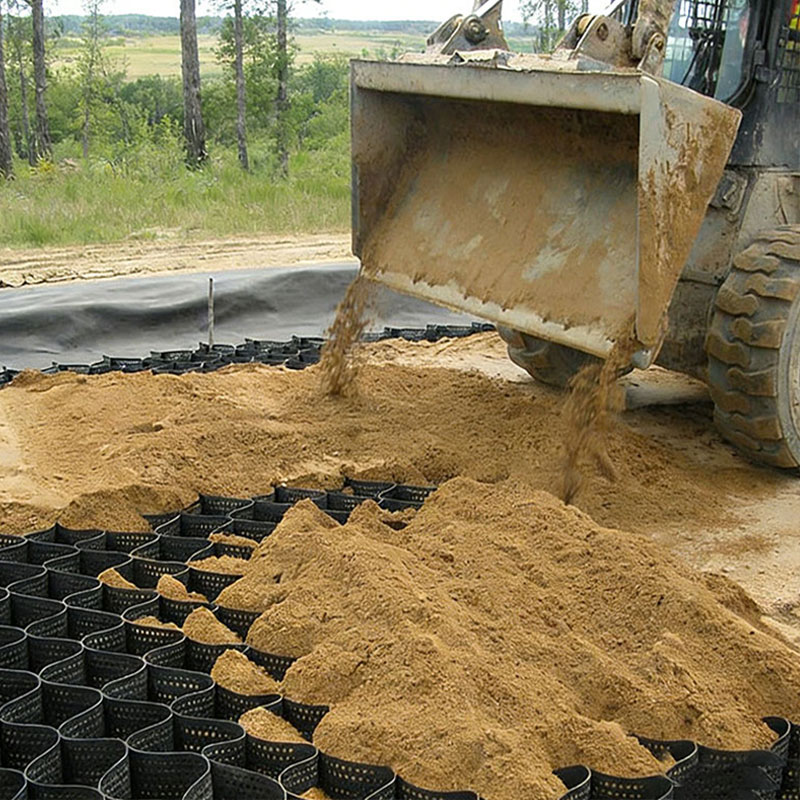
During setup, workers pin the open panels to the bare ground. Next, they fill the empty spaces with dirt, rocks, plant mix, or concrete. The cell walls hold this fill tightly in place. They also stop the materials from sliding sideways. This helps the ground easily fight off fast water, heavy rain crashes, and local erosion.
Flat concrete cracks easily. However, an HDPE geocell bends with small ground shifts and fits bumpy channels very well. Unlike loose rocks, it firmly locks the fill inside a fixed cellular structure. Because of these handy traits, builders use it a lot. It is perfect for drainage ditches, irrigation canals, roadside swales, riverbanks, spillways, reservoir edges, and similar water conservancy projects.
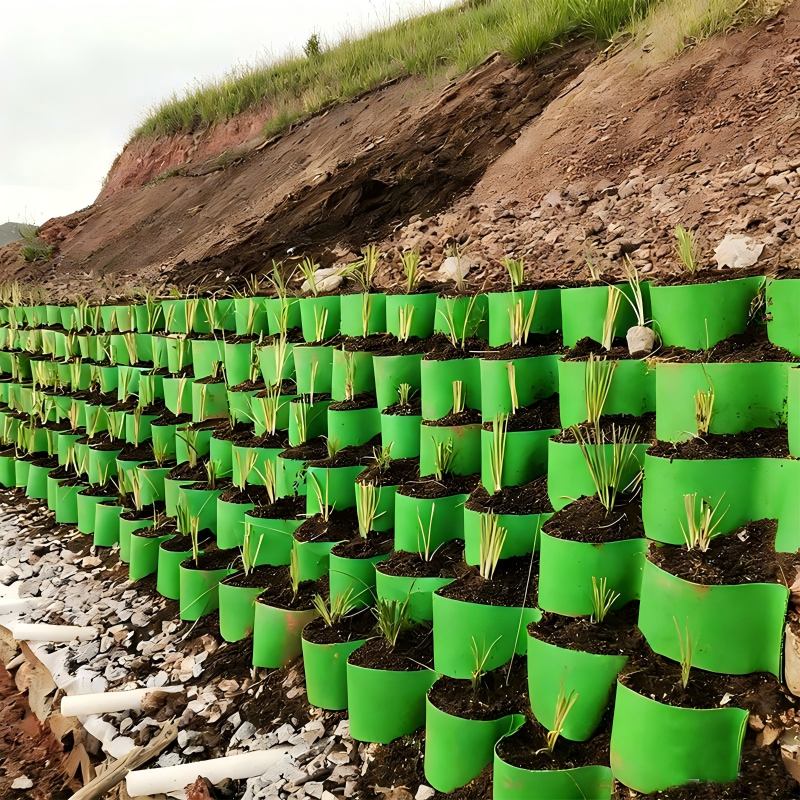
You can buy this product with different cell heights, welding distances, sheet thicknesses, and surface textures. For green channels, using dirt helps new plants grow. For spots with fast-moving water, gravel or solid concrete gives much stronger surface protection.
Parameters
| Parameter | Unit | Test Standard | Specification Range |
| Material | / | / | HDPE |
| Product Type | / | / | Geocell / Cellular Confinement System |
| Application | / | / | Channel protection, drainage ditch, riverbank, slope, stormwater control |
| Cell Height | mm | Project-based | 50 / 75 / 100 / 150 / 200, customizable |
| Sheet Thickness | mm | Project-based | 1.0-1.7, project-based |
| Welding Distance | mm | Project-based | 330-1000, customizable |
| Surface | / | / | Textured or smooth |
| Color | / | / | Black or customized |
| Infill Options | / | / | Soil, topsoil, gravel, vegetation media, concrete |
| Package | / | / | Pallet or project-based packing |
| OEM/ODM | / | / | Available |
| Origin | / | / | Shandong, China |
Product Features and Benefits
1. Reliable Erosion Control for Channel Beds and BanksCHANGFENG HDPE Geocell forms a stable cellular mattress over the channel surface. Once filled with soil, gravel, vegetation media, or concrete, the system helps keep infill in place and reduces erosion caused by rainfall, runoff, and flowing water. This is useful for roadside ditches, drainage channels, irrigation canals, riverbanks, and stormwater management works.
2. Flexible Protection Compared with Rigid ConcreteTraditional concrete linings can crack when the subgrade settles or the channel slope moves slightly. A geocell system creates a more flexible protective layer. It can follow the original ground profile and absorb small movements while still holding the surface cover material inside the cells.
3. Multiple Infill Options for Different Flow ConditionsFor low to moderate hydraulic conditions, the cells can be filled with soil, topsoil, vegetation media, or gravel. For higher flow velocity or heavy runoff areas, concrete infill can be used to form a stronger hard-armor surface. This allows engineers to choose a channel protection method based on site conditions rather than using one fixed design.
4. Better Soil Conservation and Drainage.The perforated and open-cell structure helps water move through the system while reducing the loss of soil particles. It supports infiltration, root interlock, and local stormwater control, which can be valuable for green channel designs, bioswales, and landscape drainage projects.
5. Cost-Effective Installation and Material Use.Geocells are delivered in folded panels, which helps reduce storage and transport volume. During installation, the panels are expanded, fixed in place, and filled with locally available material when suitable. This can reduce the need for large stone, thick concrete sections, or complex formwork.
6. Customizable for Project OrdersCell height, welding distance, sheet thickness, surface texture, roll or panel size, and packaging can be adjusted according to project requirements. Product specifications, labels, packing photos, and loading photos can be provided for project documentation.
Application Scenarios
1. Roadside Drainage Ditches
Rain rolls off roads directly into roadside ditches. Fast water can easily rip the dirt out if the ditch is totally bare, ruining the whole road edge. But, Geocell securely holds dirt, gravel, or soft plant mix in place. Thanks to this tight hold, the ditch keeps its exact designed shape.
2. Irrigation Canals and Rural Channels
Farm ditches really need a simple fix. Huge concrete blocks are just way too heavy to drag around. Instead, workers simply pull an HDPE Geocell open right on the bare dirt. They pin it down and fill the open holes. It stops mud from washing away and makes everyday upkeep super easy.
3. Riverbank and Shoreline Protection
River banks always deal with messy tides and sudden rain. A Geocell stops the top dirt from sliding into the water. If you grow plants inside it, the bank looks very natural and green. But some spots get hit by angry waves. For those rough areas, builders pack the cells with heavy gravel or solid concrete.
4. Stormwater Swales and Bioswales
Green rain projects try to catch rainwater exactly where it drops. A Geocell safely hugs the dirt and soft grass inside these swales. It completely stops deep muddy ruts from ever forming. Plus, it lets clean water soak right down into the earth if you pick a loose fill.
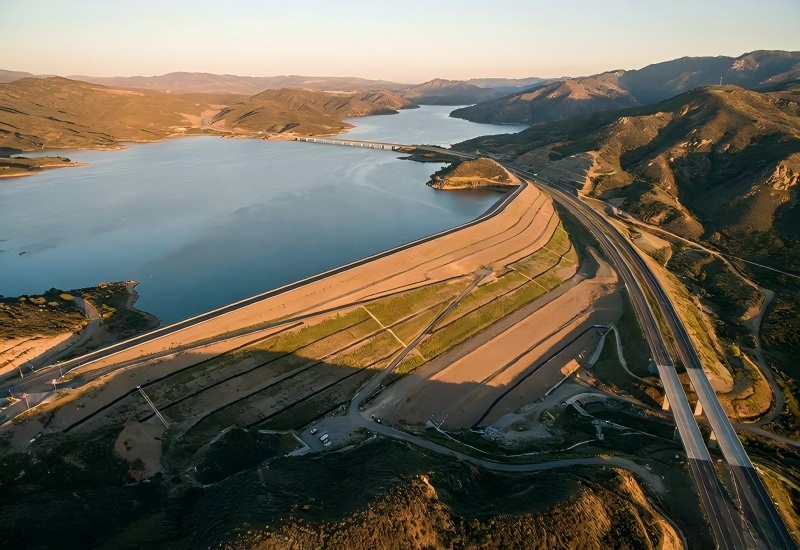
5. Reservoir and Pond Edge Protection
You can lay a Geocell straight over a plastic pond liner or on a steep side slope. It tightly grabs the top dirt so it never slides down. Sometimes, certain spots face big water dangers. In those risky places, builders pour concrete into the Geocell to make a tough, bending shell.
Quality Control
CHANGFENG controls geocell quality from raw material selection to welding, panel inspection, packaging, and shipment. Key items such as HDPE sheet thickness, welding strength, cell height, welding distance, panel dimensions, surface texture, and appearance can be checked according to order requirements.
For project orders, product specifications, batch information, roll or panel labels, packing photos, and loading photos can be provided. If the project requires special testing standards or third-party inspection, the required documents should be confirmed before production.
Packing and Delivery
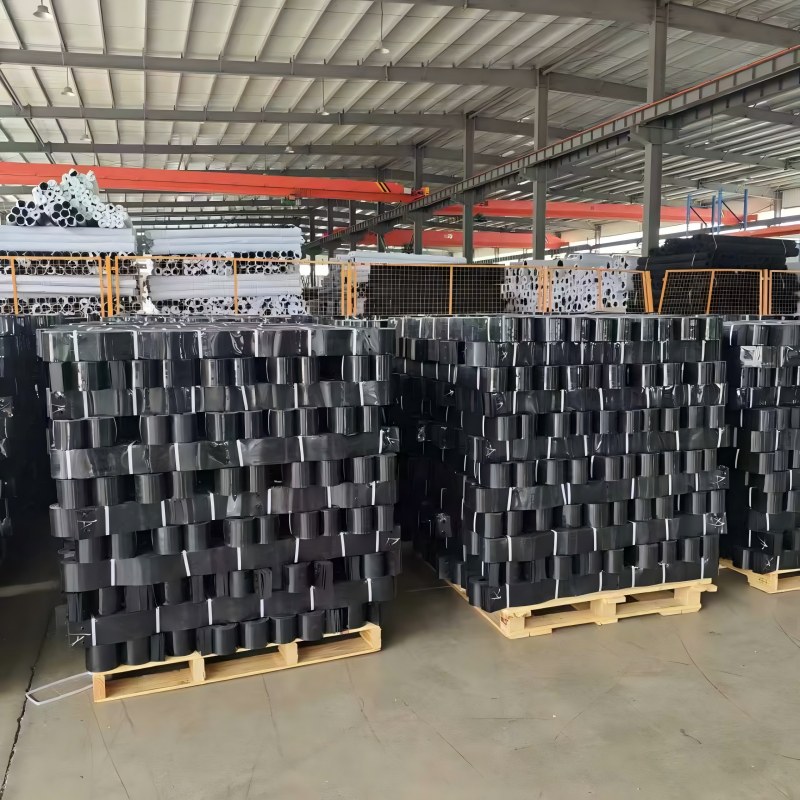
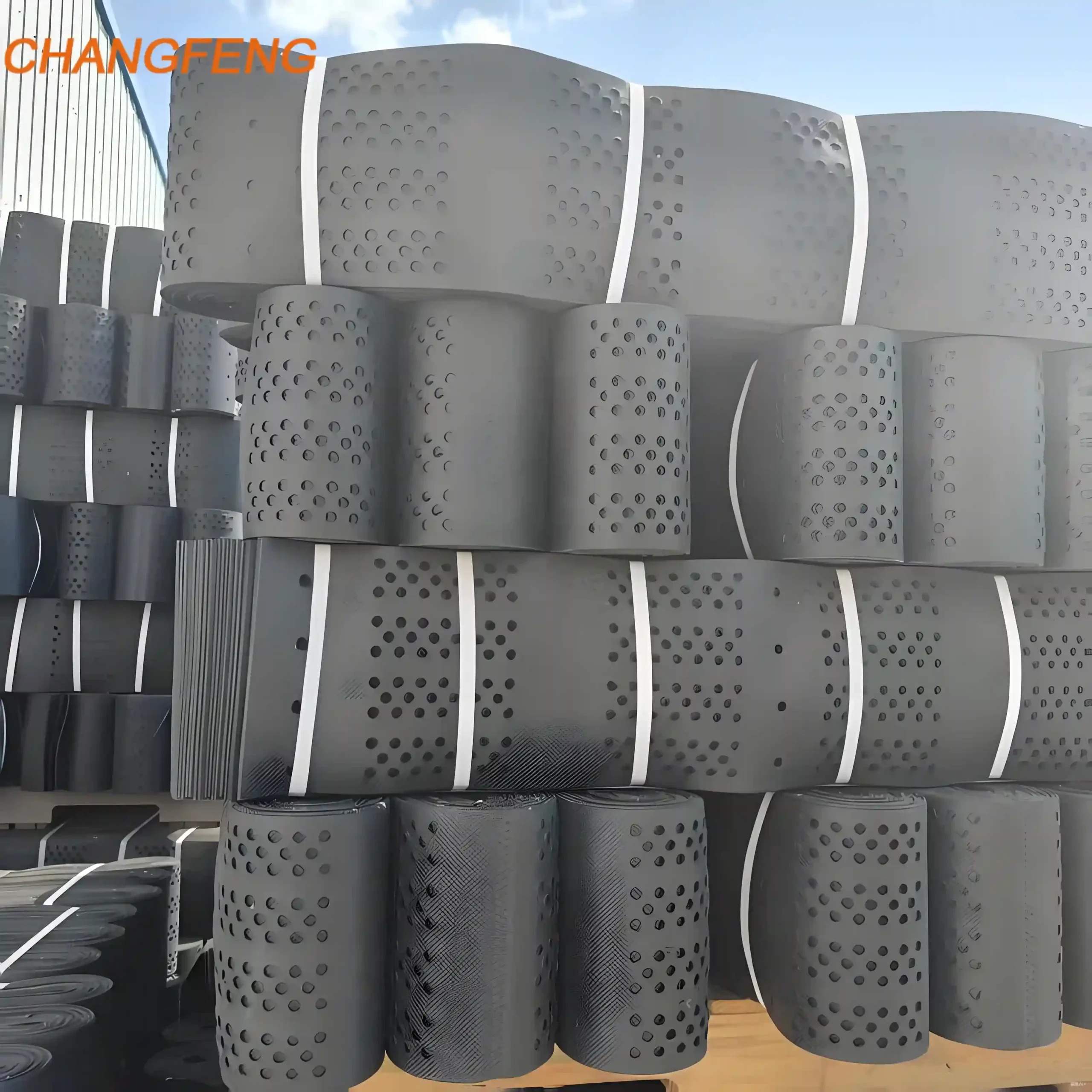
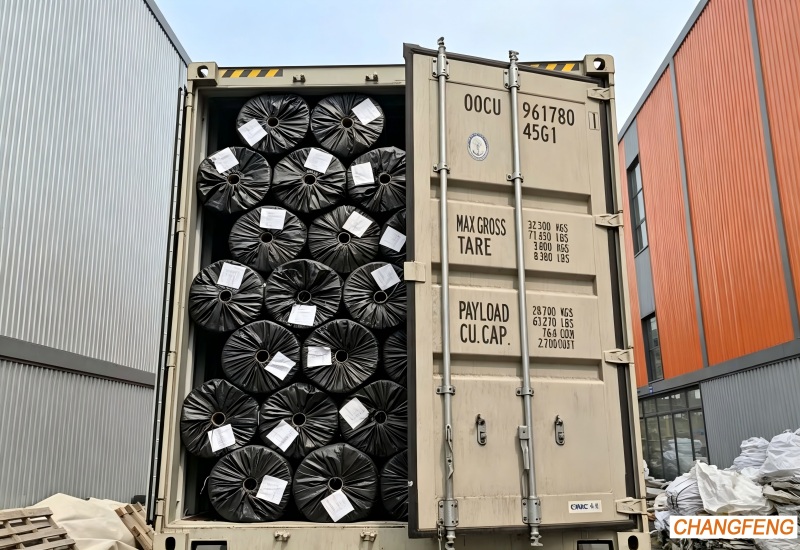
HDPE Geocell panels are folded for compact packing and usually packed on pallets or according to project requirements. Each package can be labeled with product name, specification, quantity, and order information. Packing lists, loading photos, and export documents can be prepared to help customers manage receiving, storage, and site delivery.
FAQ
Q1: What is HDPE geocell used for in channel protection?
A: It tightly traps dirt, gravel, soft plant mix, or concrete on channel bottoms and side hills. This smart tool completely stops dirt from washing away. It also keeps fast water from pushing your fill materials around.
Q2: Can geocell be used in drainage ditches?
A: Yes! An HDPE Geocell fits perfectly in roadside drainage ditches, rain channels, and open swales. You just need to pick the best fill material based on how fast the water moves.
Q3: What infill material can be used for channel protection?
A: Builders normally use topsoil, plant mix, small gravel, crushed rocks, or wet concrete. Soft dirt works great for green, leafy channels. But if you face really rough water, concrete is much safer to use.
Q4: Is geocell better than concrete lining?
A: It really depends on your specific job. A geocell bends easily, so it perfectly hugs bumpy ground. If you pour concrete inside a geocell, it forms a tough, bending shield. This setup cracks way less than a plain, flat concrete slab.
Q5: Can the geocell size be customized?
A: Yes, for sure. You can freely change the cell height, welding distance, sheet thickness, and panel size. You can also pick a custom color, surface texture, or packing style to fit your project.
Q6: What information is needed before quotation?
A: Please tell us your planned use and the hill slope. Also, share the water speed, cell height, welding distance, and thickness. Lastly, we need to know the total amount, shipping port, and any special packing rules.

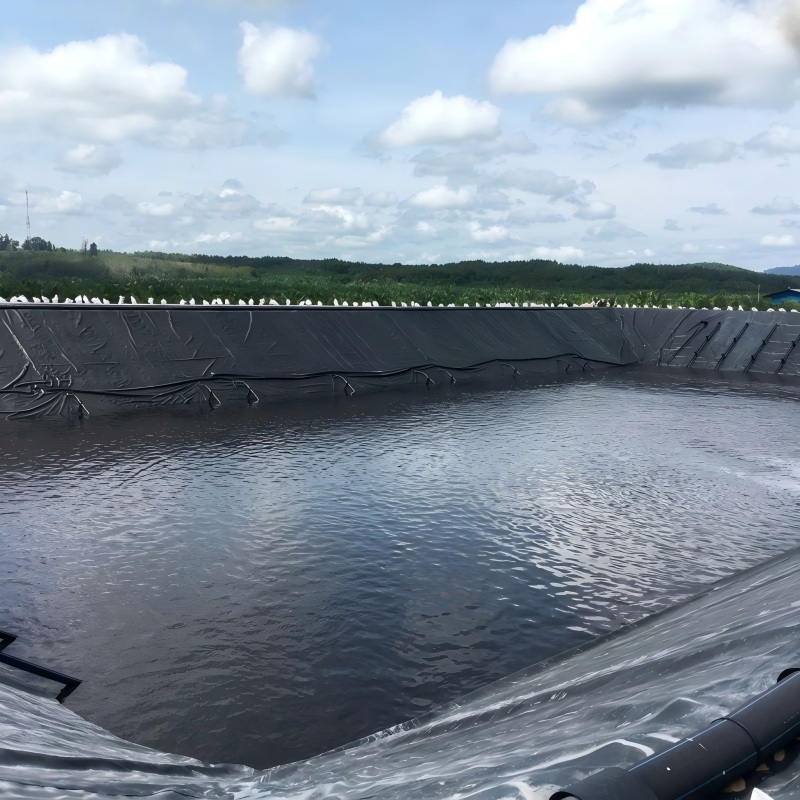
Textured HDPE Geomembrane
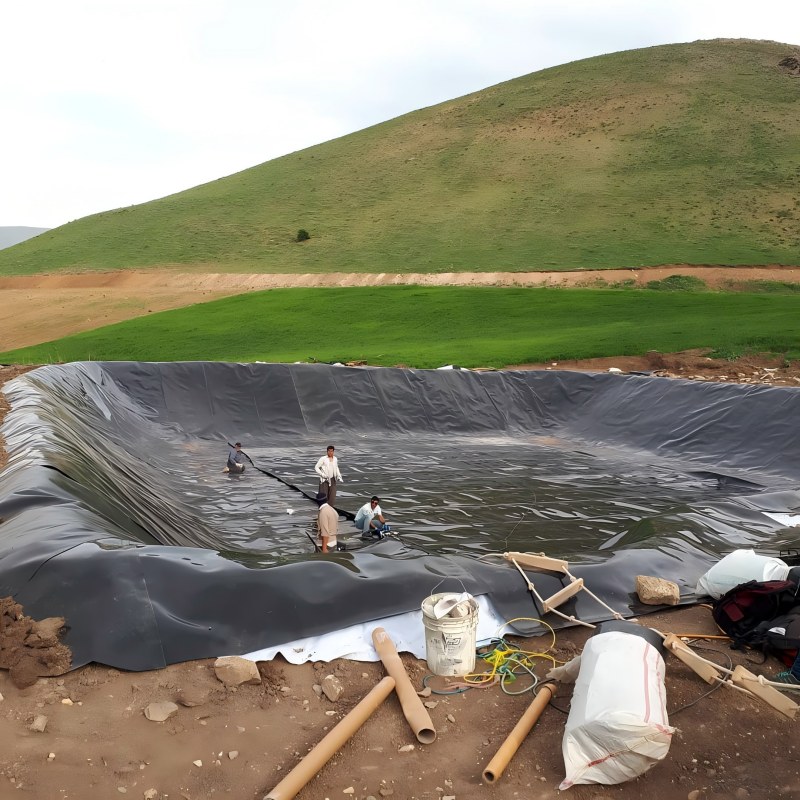
Smooth Geomembrane HDPE Liner
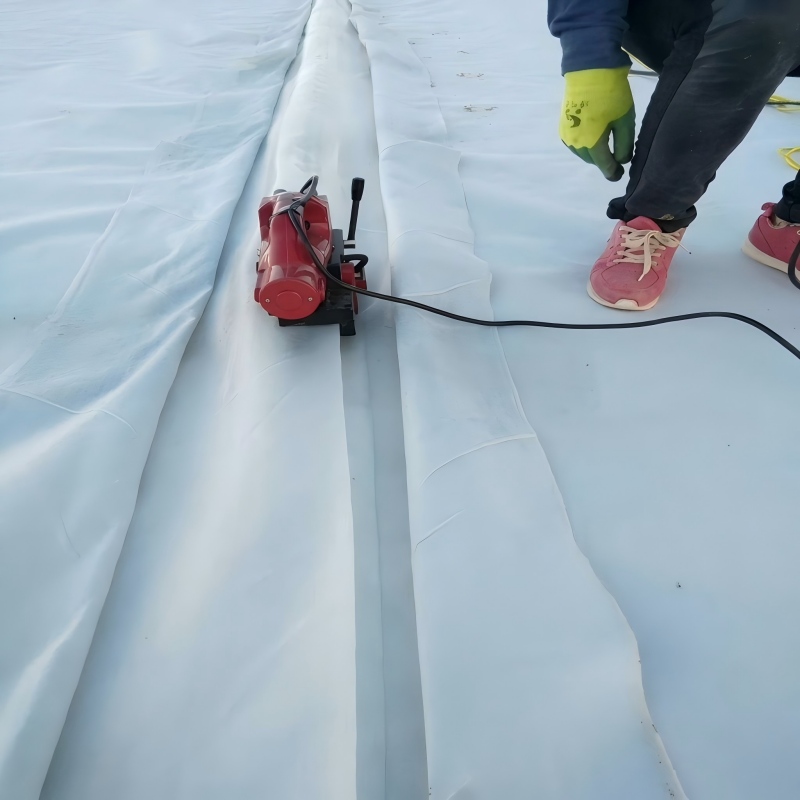
Composite Geomembrane Liner
Erosion Control for Slopes
Retaining Walls
Roads and Highways
News & Announcements
Recent Articles
 18th September 2026
What Is a Geocell? How Cellular Confinement Systems Work
 11th September 2026
How to Choose Geocell Height, Cell Size and Sheet Thickness
 4th September 2026
5 Best Geocomposite Manufacturers for Global Buyers
 28th August 2026
Geomembrane vs Geotextile: Functions, Differences and When to Use Each
 21st August 2026
What Is a Geomembrane? Types, Materials, Uses and How It Works
 1st June 2026
Destination: Global Markets. Another Batch of Certified Geomembranes Leaves Our Facility
Service Service Service Service Service Service Service Service
Our Service
Factory-Direct Price Advantage
Stable Supply Chain
Wide Product Portfolio
Technical and Product Support

Brand and Market Support
What Are You Looking For?

More Than a Manufacturer
Your Solutions Partner
We bridge the gap between factory-direct efficiency and engineering expertise. Whether you're navigating strict regulations or complex site conditions, our team delivers the 'Unseen Strength' your project requires through deep technical collaboration.

Expert Collaboration

Factory Authority

Innovative Solutions
Get A Quote