What Is Geotextile Used For? Five Core Functions Explained
-

- 2nd Tháng 10 2026
Geotextile is a permeable synthetic fabric used in soil and aggregate systems. Its five core functions are separation, filtration, drainage, reinforcement and protection. The correct function depends on soil condition, water movement, load and installation position.
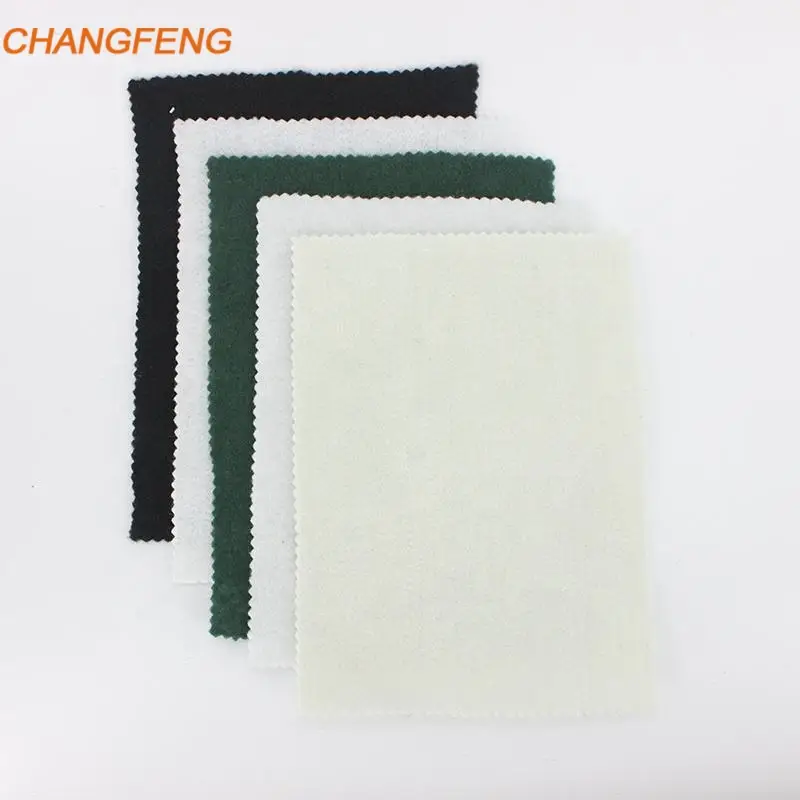
What Is a Geotextile?
Geotextile is a permeable synthetic fabric placed between soil, aggregate or other geosynthetics. Woven versions use interlaced yarns. Nonwoven versions use a bonded fiber web. That difference changes how the fabric handles strength, pore size, water flow and uneven ground. A geotextile product range may include several constructions for different site conditions.
What Are the Five Core Functions of Geotextile?
One layer can perform more than one role. The drawing should still identify the main job, because separation, filtration and reinforcement are checked with different data.
1. Separation
Geotextile keeps dissimilar soil layers, or soil and aggregate, from mixing. That boundary matters when a road base needs to keep its designed thickness. The same use appears in parking areas, working platforms and soft subgrades. Construction traffic can damage a weak fabric, so strength and handling conditions belong in the specification.
2. Filtration
Geotextile lets water pass while holding back soil particles. This limits fine material entering a drainage layer, pipe or waterway. It is used in road drainage, slope protection, riverbank work and sediment control. Pore size must be reviewed against the soil gradation and the water flow.
3. Drainage
Geotextile gives water a route through or along a system. You will see this role around roads, retaining-wall backfill, tunnels and containment structures. The fabric does not create a drainage path by itself; the surrounding layer and outlet still have to be designed. Check permeability, soil contact and possible installation damage before covering it.
4. Reinforcement
Geotextile can add tensile resistance to a weak soil or aggregate layer. That role is considered in soft subgrades, embankments, slopes and road widening work. Strength and elongation depend on the load, expected deformation and installation conditions. A geotextile reinforcement layer is not automatically interchangeable with a geogrid, so the substitution needs a design review.
5. Protection
Geotextile cushions another geosynthetic and reduces puncture or abrasion risk. It can sit over a geomembrane liner, drainage core or pipe where sharp particles and construction pressure are concerns. Fabric mass, thickness, contact surface and placement method affect the protection role. Inspect the layer before placing cover material.
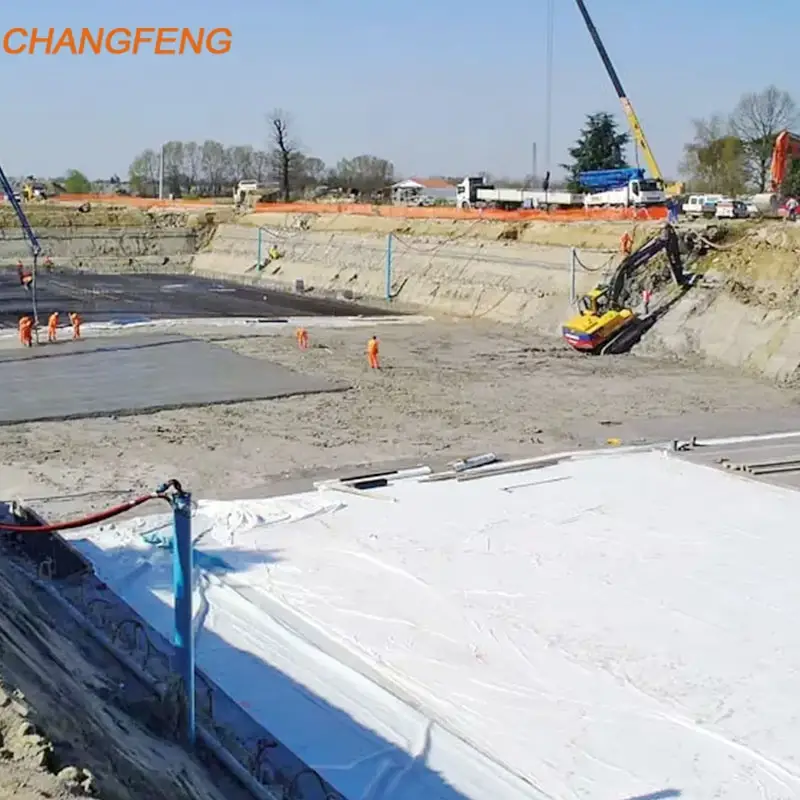
Where Is Geotextile Used?
Roads and Pavements
Geotextile can separate subgrade from aggregate, filter fines and support drainage. Selection should consider soil type, aggregate grading, traffic and construction equipment.
Slopes and Erosion Control
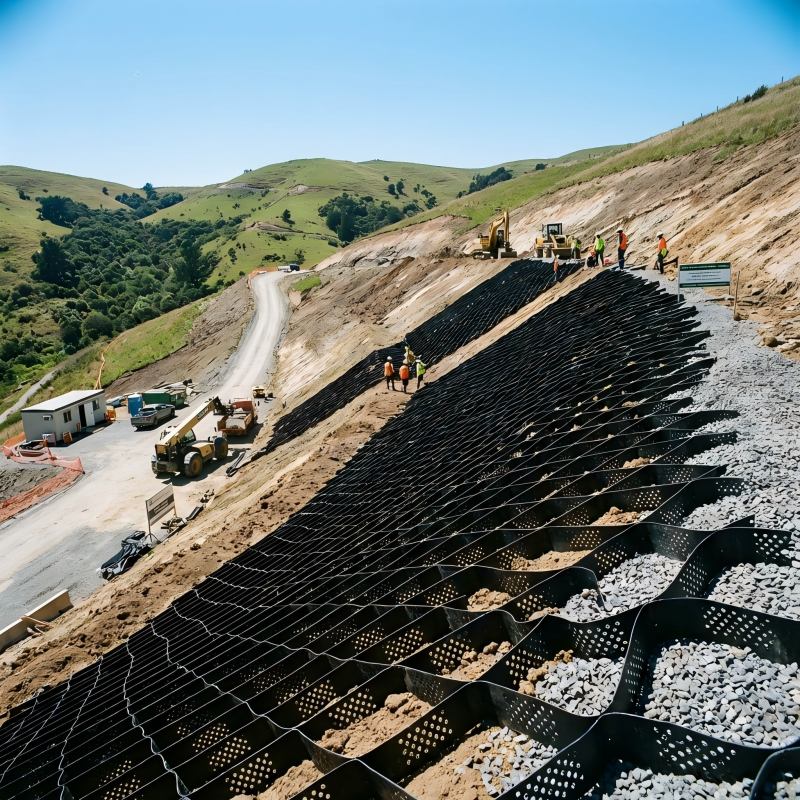
The fabric can protect a slope surface, retain soil particles and support a drainage or planting system. CHANGFENG also lists geobags for shoreline and slope protection where a filled fabric unit forms part of the protection work. Placement should follow the project drawing and the expected water and movement paths.
Retaining Walls and Earth Structures
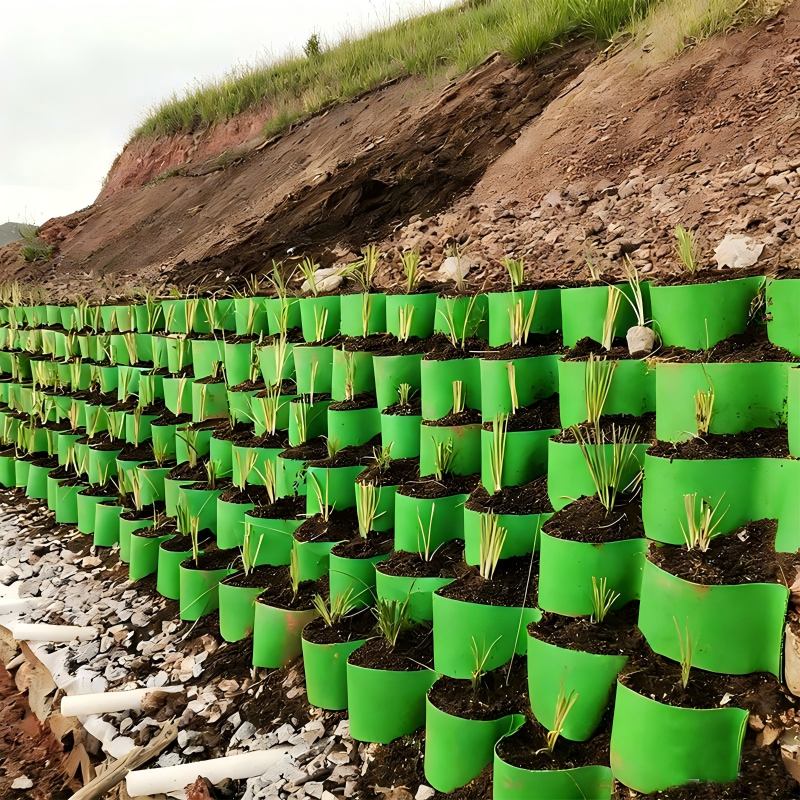
Geotextile may filter backfill water, limit soil migration and protect drainage components. The wall facing, drainage details and fabric specification need to be reviewed together. A fabric selected in isolation can leave the wall drainage path unresolved.
Landfills and Containment Systems
Geotextile can protect geomembranes and support filtration or leachate drainage. Chemical exposure, contact pressure and construction sequence need confirmation for the selected system.
Dewatering and Sediment Control
Geotextile dewatering tubes are listed for sludge treatment, sediment containment, dredging slurry dewatering and wastewater solids separation. Water drains through the fabric while solids remain inside. Project throughput and handling requirements still need to be specified.
Woven vs Nonwoven Geotextile
| Feature | Woven Geotextile | Nonwoven Geotextile |
| Structure | Interlaced yarns | Bonded fiber web |
| Main review | Tensile strength and dimensional stability | Filtration, drainage and flexibility |
| Common uses | Separation and reinforcement | Filtration, protection and drainage |
| Key checks | Strength, aperture and elongation | Pore size, permeability and thickness |
The choice follows the project function. A woven structure may suit a load-bearing separation task. A nonwoven structure may suit filtration or cushioning. Confirm the product data and test basis before approval.
How Do You Choose the Right Geotextile?
Start with the job the fabric must perform: separation, filtration, drainage, reinforcement or protection. Record the soil type, aggregate, water-flow direction, load, installation position, equipment and construction sequence. Then request the exact structure and material, followed by nominal mass, thickness, tensile data, permeability, apparent opening size, roll dimensions and installation guidance.
For an RFQ, contact CHANGFENG with the project details and ask the supplier to name the exact product and test method for each quoted value. A clear technical scope lets engineering and purchasing teams review the same proposal.
Conclusion
Geotextile performs five core functions in civil engineering: separation, filtration, drainage, reinforcement and protection. The product choice follows the soil, water, load, contact materials and installation conditions. CHANGFENG’s public range includes long fiber nonwoven geotextile, short fiber nonwoven geotextile, dewatering tubes, geobags and other geotextile products.
Câu hỏi thường gặp
Q1: What is geotextile mainly used for?
A: Geotextile is used for separation, filtration, drainage, reinforcement and protection. The drawing and site conditions determine which function controls the product choice.
Q2: Can geotextile separate soil and drain water at the same time?
A: Yes. A permeable fabric can keep soil layers apart while allowing water through. The design still needs checks for pore size, permeability, soil gradation and the drainage path.
Q3: What is the difference between woven and nonwoven geotextile?
A: Woven geotextile uses interlaced yarns, so strength, aperture and dimensional stability are key checks. Nonwoven geotextile uses a bonded fiber web, with filtration, drainage, flexibility and protection often driving the review. The structure still has to match the project function.
Q4: Is geotextile the same as geomembrane?
A: No. Geotextile is permeable and supports filtration and protection. Geomembrane is a low-permeability barrier used for containment. A project may use both, with geotextile protecting or draining around the geomembrane.
Q5: What information should you provide when buying geotextile?
A: Provide the application, plan and section, soil and aggregate information, load, layer position, dimensions, quantity and required documents. Ask the supplier to state the exact product identity and test method for every quoted value.

Nâng cao hiệu suất của năng lượng mặt trời.
Các dự án, giải pháp và nguồn cung năng lượng mới nhất
Màng chống thấm HDPE có bề mặt nhám
Màng chống thấm HDPE mịn
Màng chống thấm composite
Bảo vệ kênh
Kiểm soát xói mòn cho sườn dốc
Tường chắn đất

Hơn cả một nhà sản xuất
Đối tác giải pháp của bạn
Chúng tôi thu hẹp khoảng cách giữa hiệu quả sản xuất trực tiếp từ nhà máy và chuyên môn kỹ thuật. Cho dù bạn đang phải đối mặt với các quy định nghiêm ngặt hay điều kiện công trường phức tạp, đội ngũ của chúng tôi sẽ mang đến "Sức mạnh vô hình" mà dự án của bạn cần thông qua sự hợp tác kỹ thuật chuyên sâu.

Hợp tác chuyên gia

Cơ quan quản lý nhà máy

Giải pháp sáng tạo
Nhận báo giá