What Is Geogrid and How Does It Work?
-

- 25th Tháng 9 2026
Geogrid is a polymer grid placed in soil or aggregate. Its ribs and openings give the surrounding fill something to lock into. In a road, slope or retaining-wall system, that contact helps the reinforced layer carry load and limits lateral spread.
The grid choice starts with the site and its design requirements. Soil, fill, load direction, geometry and installation method all belong in the review. Keep each strength value tied to the test used to obtain it.
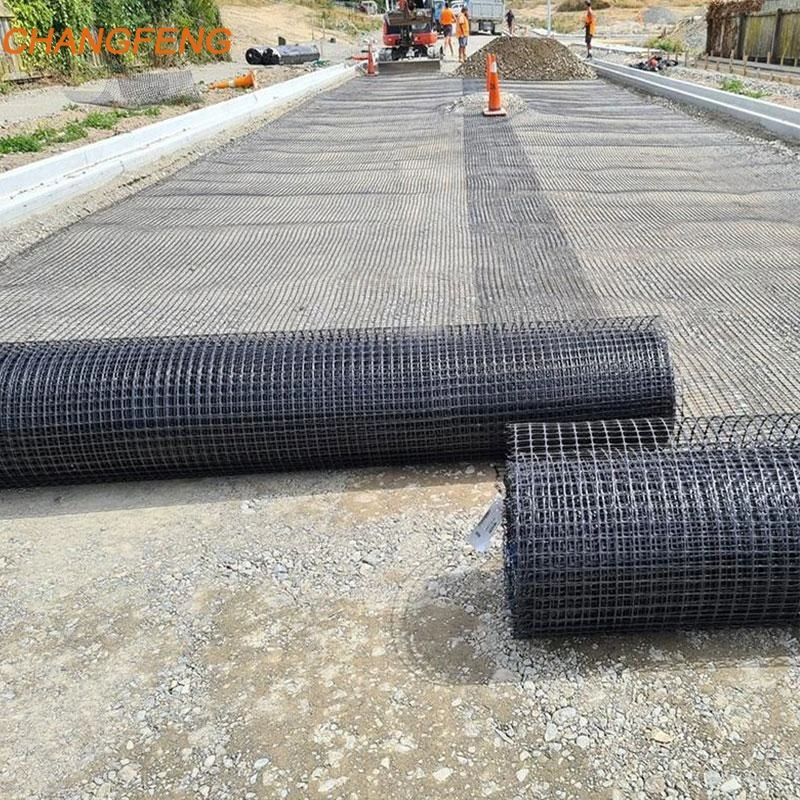
What Is a Geogrid?
It arrives as a sheet or roll. Intersecting ribs form regular openings called apertures. Once the fill is placed and compacted, particles sit in those openings and bear against the ribs.
Geogrid Definition
The open structure is the key feature. Soil or aggregate locks into the grid, and the grid takes tension as the layer deforms. That is the reinforcement role.
What Is Geogrid Made Of?
Manufacturers produce geogrids from polymers formed into ribs and junctions. Product construction can vary by polymer, forming process, coating and junction design. Confirm the exact material and test values in the data sheet for the selected product.
How Does Geogrid Work?
The grid needs the fill around it. Its behaviour comes from contact at the ribs and apertures, followed by tensile resistance when the layer moves. In practice, designers look at three connected actions.
Soil and Aggregate Interlock
During placement and compaction, particles settle into the apertures. Under load, they bear against the ribs and their movement is restrained. This is the mechanical interlock between the grid and the granular material.
Tension and Lateral Restraint
Traffic and structural loads push aggregate sideways. The grid takes tension as the fill tries to spread, so orientation matters. The reinforcement direction should follow the load path shown in the design.
Load Distribution
Interlock and tensile resistance move a concentrated load into more of the surrounding soil or aggregate. A pavement or earth structure can then carry that load with less local rutting or movement when the design supports it. Subgrade, fill, compaction, drainage and the design method all affect the result.
What Are the Main Types of Geogrid?
Uniaxial Geogrid
Uniaxial geogrids put most of their reinforcement in one direction. That direction follows the tensile demand in a reinforced-soil structure. Retaining walls and steepened slopes are common examples. The wall, backfill and connection still have to be checked together.
Biaxial Geogrid
Biaxial geogrids reinforce in two directions. This layout is often reviewed for road and pavement layers, where movement can occur across the plane. Aperture size and rib stiffness still need to suit the fill.
Triaxial Geogrid
Triaxial geogrids use ribs arranged in several directions, giving aggregate more than one route for engagement. The label alone says little about a project’s capacity. The specification still needs the product identity, test basis and installation detail.
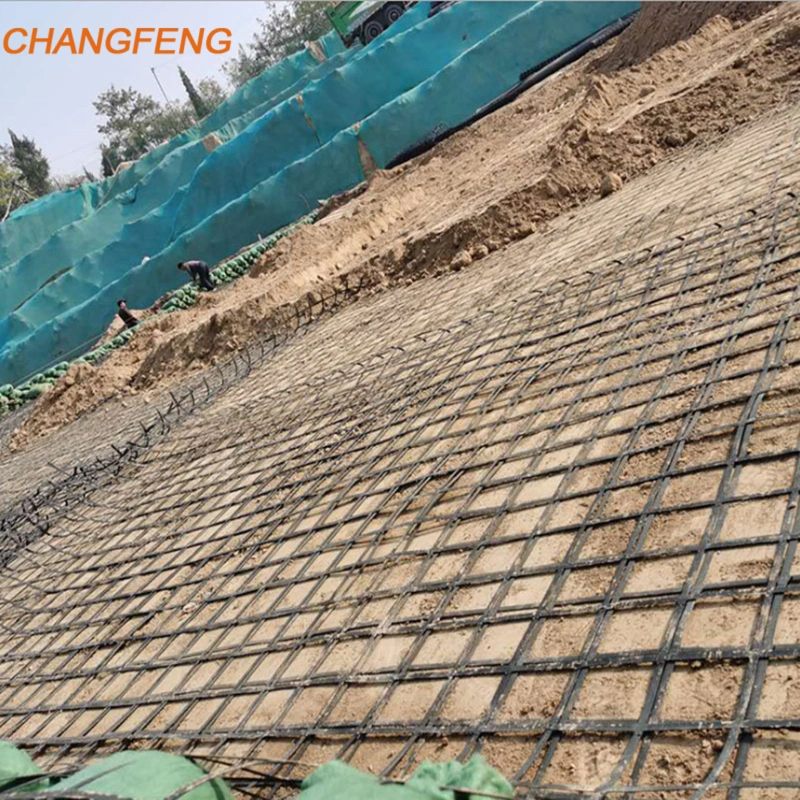
Where Is Geogrid Used?
Roads and Pavements
In a road, the grid may sit in the base or subbase over a prepared subgrade. The drawing should show where it sits, which aggregate is used, the traffic load and the compaction method. Drainage remains a separate part of the pavement design.
Tường chắn đất
In a reinforced-soil wall, horizontal layers run from the facing into the backfill. The grid, soil and facing connection form one system. Wall height, pullout resistance, connection capacity and drainage are project calculations.
Slopes and Earth Structures
Geogrid can reinforce soil layers in slopes and other earth structures. Lay it in the direction indicated by the potential movement and load path. Slope angle, groundwater, erosion control and anchoring belong in the project documents.
Driveways and Working Platforms
Driveways, temporary access routes and working platforms may use geogrid over a variable or weak foundation. Before a product is selected, define vehicle loads, service period, fill depth and construction sequence.
Geogrid vs Geotextile vs Geocell
| Vật liệu | Main Form | Chức năng chính |
| Lưới địa kỹ thuật | Open ribbed grid | Reinforcement and soil or aggregate interaction |
| Vải địa kỹ thuật | Vải dệt hoặc vải không dệt | Filtration, separation, drainage or protection |
| Ô lưới địa chất | Cellular confinement panels | Three-dimensional confinement of infill |
One project may use all three materials, with each layer assigned a different function. A geotextile can separate soil, a geogrid can reinforce aggregate, and a geocell can confine fill near a slope surface. Replacing one with another calls for a technical review.You can find more information in this article.
How Should You Select a Geogrid?
Start With Soil and Load
Write down the subgrade condition, soil type, aggregate, traffic or structural load, layer thickness and drainage conditions. Those details define the reinforcement problem.
Match Grid Direction and Geometry
Select uniaxial, biaxial or triaxial geometry from the design load path. Check aperture dimensions, rib structure, junctions, roll width and overlap against the drawing. Mark the reinforcement direction clearly before installation starts.
Check Test Data and Installation Requirements
Ask for the product data sheet, test methods, nominal dimensions, tensile values, junction information and installation guidance. Keep the product identity beside every test value. A number without its test basis cannot define design capacity.
How Is Geogrid Installed?
Prepare the Subgrade
Clear debris and set the required level. Treat soft areas as the design specifies. Water management and edge restraint should be ready before the grid goes down.
Place and Align the Grid
Unroll the geogrid in the specified direction. Smooth out folds, keep the stated overlap and secure the material where required. Check the alignment against the plan before covering it.
Place and Compact the Fill
Cover the grid with the specified soil or aggregate before compaction equipment drives over it. Spread the fill to the required depth and compact it in the sequence set by the design and product instructions. Look for displacement or damage before building the next layer.
Choosing a Geogrid Product
Geogrid suits a project that needs a reinforcement layer to interact with soil or aggregate. The final choice brings together soil condition, fill, load direction, grid geometry, dimensions, installation method and test evidence
For an RFQ, send the plan and section, application, soil information, fill type, load, target dimensions, quantity and required documents. Ask the supplier to name the exact product and test basis. Engineers and purchasing teams can then review the same technical scope.
Câu hỏi thường gặp
Q1: What is a geogrid used for?
A: Geogrid reinforces soil and aggregate in roads, pavements, retaining walls, slopes, driveways and working platforms. The design sets its layer position and load direction.
Q2: How does geogrid reinforce soil?
A: Soil or aggregate particles lock into the apertures and bear against the ribs. When the layer is loaded, the grid takes tension and limits lateral movement in the surrounding fill.
Q3: Is geogrid the same as geotextile?
A: No. Geogrid is an open reinforcement grid. Geotextile is a permeable woven or nonwoven fabric used for filtration, separation, drainage or protection. One project can specify both.
Q4: Which type of geogrid should be used for roads or retaining walls?
A: Road and pavement designs often review biaxial or multi-directional grids. Retaining-wall designs commonly review uniaxial reinforcement aligned with tensile demand. The load path, fill and product test data decide the final type.
Q5: What information should be included in a geogrid RFQ?
A: Include the application, plan and section, soil and aggregate information, load, layer position, dimensions, quantity, installation conditions and test documents. Ask the supplier to state the exact product and test method for each quoted value.

Nâng cao hiệu suất của năng lượng mặt trời.
Các dự án, giải pháp và nguồn cung năng lượng mới nhất
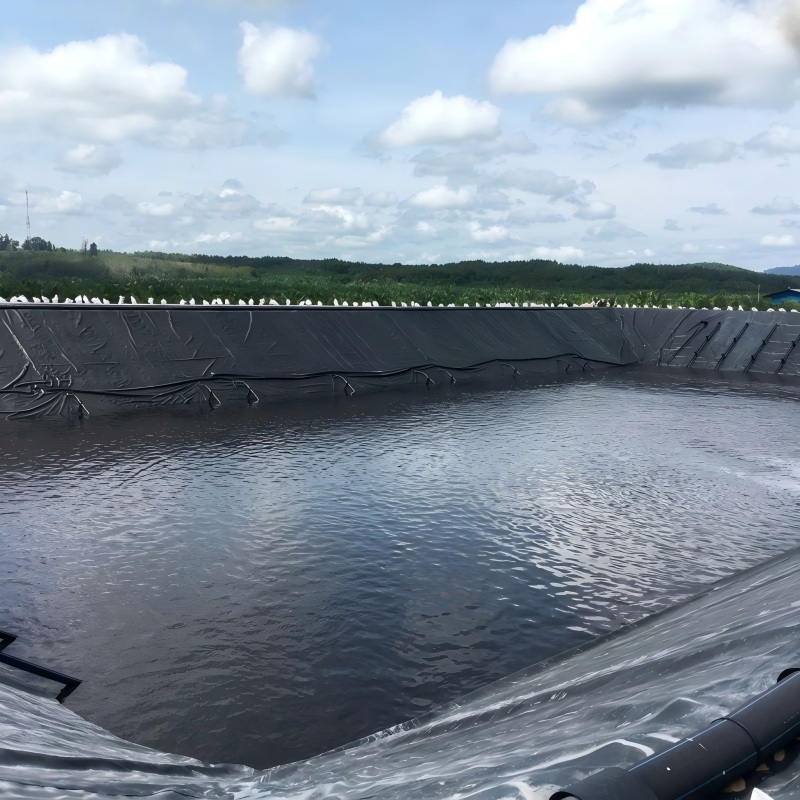
Màng chống thấm HDPE có bề mặt nhám
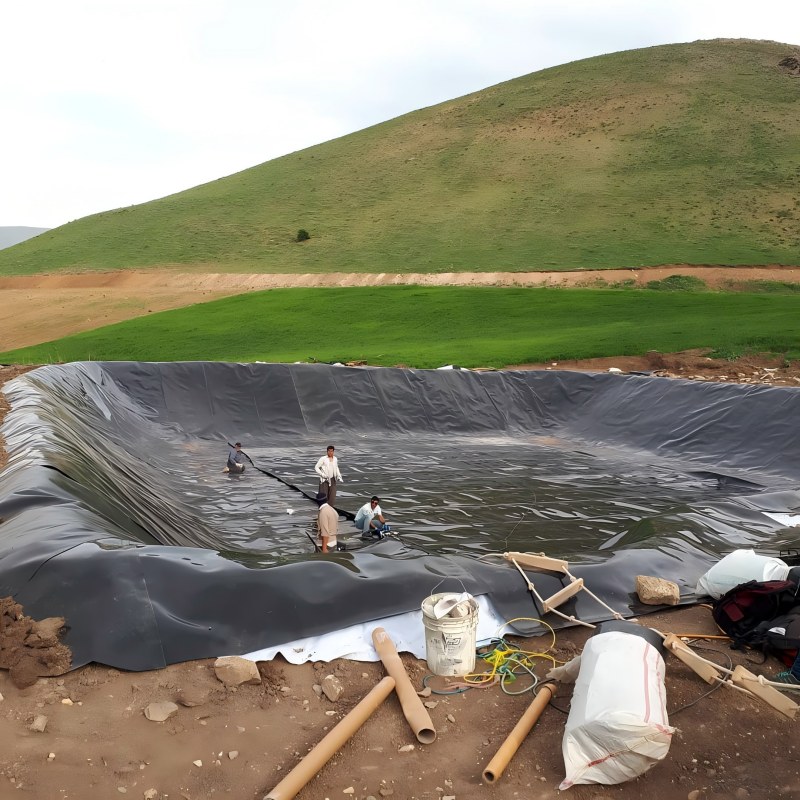
Màng chống thấm HDPE mịn
Màng chống thấm composite
Bảo vệ kênh
Kiểm soát xói mòn cho sườn dốc
Tường chắn đất

Hơn cả một nhà sản xuất
Đối tác giải pháp của bạn
Chúng tôi thu hẹp khoảng cách giữa hiệu quả sản xuất trực tiếp từ nhà máy và chuyên môn kỹ thuật. Cho dù bạn đang phải đối mặt với các quy định nghiêm ngặt hay điều kiện công trường phức tạp, đội ngũ của chúng tôi sẽ mang đến "Sức mạnh vô hình" mà dự án của bạn cần thông qua sự hợp tác kỹ thuật chuyên sâu.

Hợp tác chuyên gia

Cơ quan quản lý nhà máy

Giải pháp sáng tạo
Nhận báo giá