What Is a Geocell? How Cellular Confinement Systems Work
-

- 18th Setembro 2026
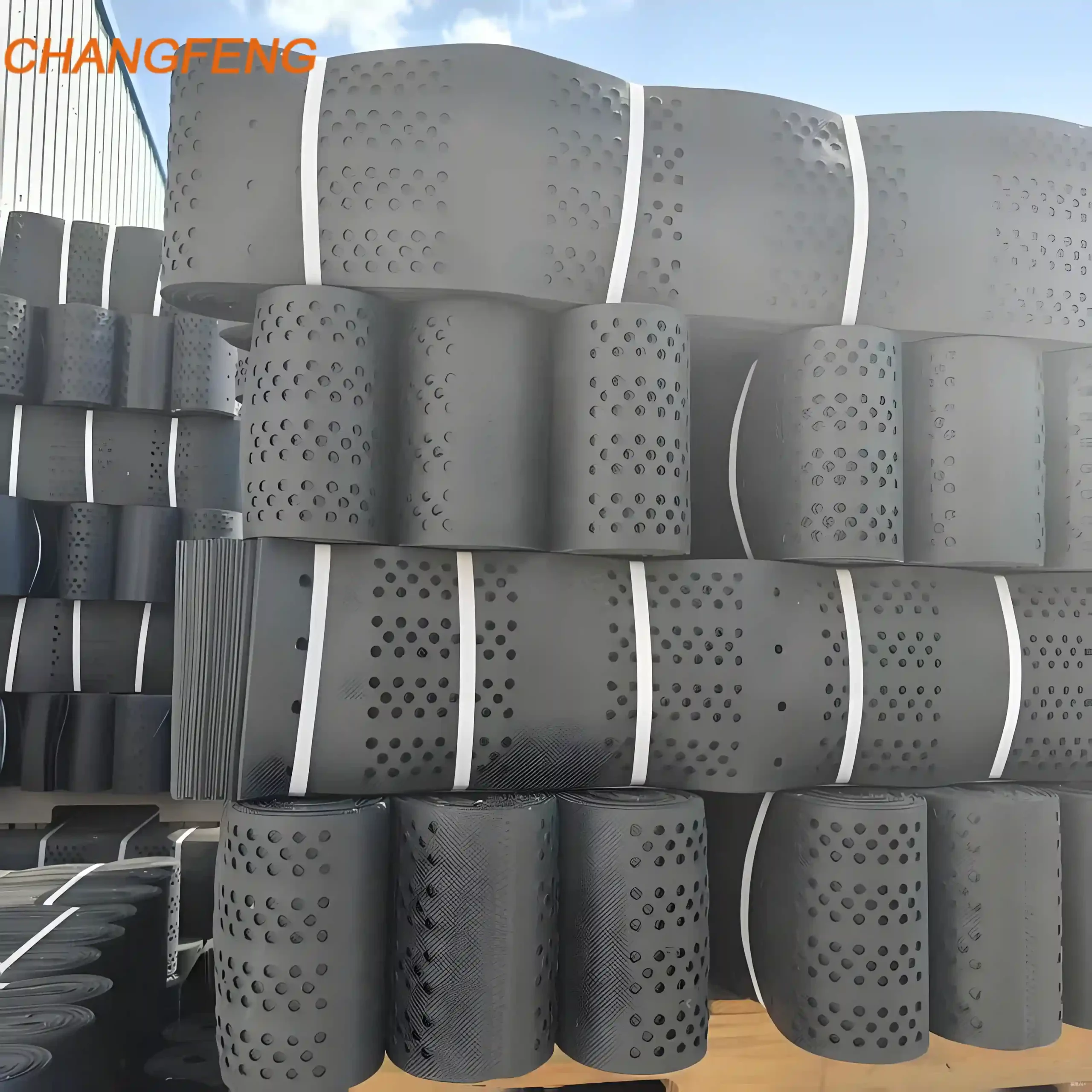
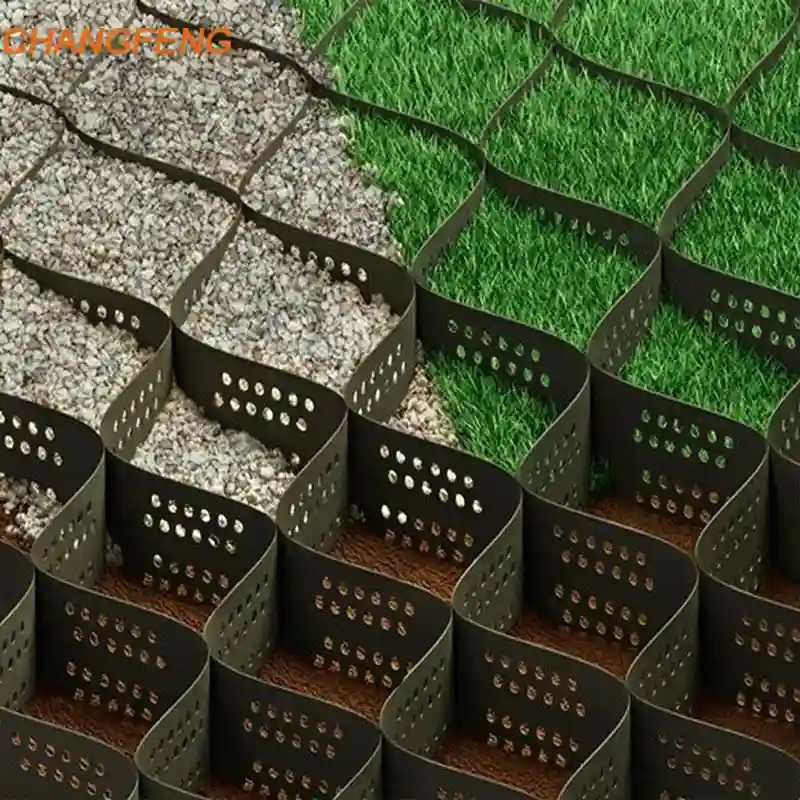
A geocell is an expandable, three-dimensional cellular confinement system. Connected strips open into a honeycomb-like panel, and each cell holds soil, aggregate or another approved infill in place. The cell walls restrict sideways movement inside the layer, so the filled panel can work with the subgrade, drainage path and surface treatment.
What Is a Geocell?
The word geocell describes the product form and its job. A flat panel is transported in a collapsed state, then expanded on the prepared area. Connected joints create a repeated pattern of cells. After filling, the panel becomes a cellular layer with boundaries around the infill.
“Cellular confinement” means lateral restraint. The fill still carries load and interacts with the ground, while the cell walls keep the material within its assigned space. This arrangement is useful when a design needs a controlled layer of soil or aggregate across a road, slope, channel or drainage edge.
Geocell Structure
An open panel contains strips joined at regular points. The joint pattern determines the shape of the expanded cells. Cell depth, strip thickness, joint spacing and surface pattern are specification fields for the selected product.
The panel geometry matters during installation. Workers expand the sheet to the planned dimensions, hold it with approved anchors or connections, and fill the cells. The finished layer follows the prepared surface and the project drawing.
Geocell Materials
Manufacturers specify geocell by polymer, strip thickness, cell depth, joint spacing and surface condition. Polymer choice affects handling and the way the panel responds to site exposure. A product comparison should use the supplier’s technical sheet and the project’s required tests.
How Does a Cellular Confinement System Work?
The mechanism follows a simple sequence: expand the panel, fill the cells, and let the connected walls hold the infill laterally. The result depends on the infill, subgrade, layer depth, drainage and loading conditions. A geocell works as one component within a wider ground system, alongside the supporting layers and surface details.
Lateral Confinement of Infill
Loose soil or aggregate can spread when traffic, water or slope stress pushes it sideways. A geocell places a boundary around each pocket of infill. The walls limit lateral displacement and keep the material distributed across the designed area.
This is the central idea behind cellular confinement. The cells organise the fill within the designed layer.
Load Transfer Through the Confined Layer
Surface loads enter the filled cells and move through the cellular layer toward the supporting ground. The response changes with fill type, compaction, subgrade stiffness, drainage and the geometry of the section. Designers review the complete layer build-up and the full set of project inputs when selecting a cell product.
Road traffic, construction equipment and local surface loads can require different checks. The project specification should define the load case and acceptance criteria.
Interaction With Water and Erosion
An expanded panel can hold surface infill on a slope or beside a channel. The filled cells help keep the material in the planned position while the surface treatment manages water flow. Anchoring, outlets, slope geometry and the selected infill remain part of the hydraulic and erosion-control design.
Where Are Geocells Used?
Geocell applications follow the problem assigned to the layer. Roads need a controlled load-distribution layer. Slopes need surface restraint. Channels need a surface system that works with water movement and anchoring.
Roads and Access Routes
Geocells can confine aggregate or soil in road bases, temporary access routes and working platforms. The cellular layer helps keep the infill within the planned footprint while traffic loads pass into the subgrade. Check traffic, subgrade condition, drainage and the required layer depth before selecting a product.
Slopes and Erosion Control
On a slope, expanded cells hold soil, aggregate or another approved surface infill. The panel layout follows the slope geometry, and anchors keep the system in position during filling and service. Surface vegetation, armour or other treatments belong to the project design.
Channels, Drainage and Water Edges
Geocells may form part of a channel lining, drainage edge or water-side protection layer. The cells keep the selected infill arranged across the surface, while the drainage design controls water paths and outlets. Review flow conditions, slope, foundation and edge details together.
Retaining and Structural Fill Systems
Some retaining arrangements use geocells to shape facing or confined fill zones. The geocell layer works with the foundation, drainage and any reinforcement specified by the engineer. A complete retaining design still needs its own stability checks, connections and drainage details.
Geocell vs Geogrid and Geotextile
Geosynthetic products can appear in the same project while performing different functions. The geomembrane and geotextile guide explains the barrier, filtration and protection roles of those materials.
| Material | Primary Form | Main Role |
| Geocélula | Three-dimensional connected cells | Lateral confinement of soil or aggregate |
| Geogrelha | Open grid with ribs | Reinforcement and interaction with soil or aggregate |
| Geotêxtil | Permeable fabric | Filtration, separation, drainage, reinforcement or protection |
A project can use more than one geosynthetic. The drawing should assign a function to each layer and show the contact between adjacent materials.
How Is a Geocell System Installed?
The product manual and project drawings control the final method. A common sequence looks like this.
Prepare the Subgrade
Grade and compact the foundation to the project requirement. Check surface condition, drainage paths and any specified separation or protection layer before the panel arrives.
Expand and Anchor the Panels
Open the collapsed panel to the planned geometry. Set the cell pattern against the layout, then use the approved anchors or connections to hold the panel in place. Anchor type and spacing require project confirmation.
Fill and Compact the Cells
Place the approved infill into the open cells. Work from the direction and access point shown in the method statement, then compact the material to the specified condition. Equipment should protect the cell walls and avoid shifting the panel.
Inspect the Completed Layer
Record panel layout, cell opening, anchors, fill coverage, surface level and any repairs. Acceptance values come from the project specification. Photographs, delivery records and inspection forms help connect the installed layer to the supplied material.
What Should You Check Before Selecting a Geocell?
Start with the section in which the cells will work. Record the application, road or slope geometry, subgrade, drainage condition, infill, exposure, anchoring method and installation access.
Then request the product fields that match the design: polymer, strip thickness, cell depth, joint spacing, surface pattern, panel dimensions, quantity and required test documents. A supplier can review the request when these inputs are stated together.
Hydraulic projects need water-flow and outlet information. Road projects need traffic and subgrade information. Slopes need geometry, surface treatment and anchoring details. The same product label can serve different jobs only when the complete section is suitable.
Choosing the Right Cellular Confinement System
A Geocell system fits a design that needs connected cells to confine infill within a layer. The final selection follows the application, soil or aggregate, geometry, water conditions, installation sequence and verified product specification.
Treat the cell panel as one component in the ground system. Review the subgrade, drainage, infill and surface treatment at the same time. That approach gives the project team a clear basis for drawings, quantities and technical review.
For reliable geocell solutions, choosing an experienced manufacturer is essential. CHANGFENG specializes in the production and supply of high-quality geocell systems for road reinforcement, slope protection, erosion control, and soil stabilization projects. With advanced manufacturing capabilities and professional technical support, CHANGFENG provides customized geosynthetic solutions for global engineering applications, helping customers achieve durable and cost-effective construction results.
Perguntas frequentes
Q1: What is a Geocell?
UM: A Geocell is an expandable three-dimensional panel made from connected strips. When the cells are filled, the walls confine soil or aggregate laterally within the designed layer.
Q2: How does a cellular confinement system work?
UM: The panel opens into connected cells, and each cell holds its infill in place. The layer response depends on the infill, subgrade, drainage, geometry and applied load.
Q3: What is Geocell used for?
UM: Geocell is used in road bases, access routes, slopes, erosion-control surfaces, channels, drainage edges and some retaining arrangements. The application determines the infill, anchoring and supporting layers.
Q4: What is the difference between Geocell and geotextile?
UM: Geocell provides three-dimensional lateral confinement for infill. Geotextile is a permeable fabric used for filtration, separation, drainage, reinforcement or protection. A project can assign both products to different layers.
Q5: What information is needed to specify a Geocell system?
UM: Provide the application, geometry, subgrade, drainage, infill, exposure, anchoring method, cell depth, panel dimensions, quantity and required documents. Add the project load case or hydraulic information when those conditions control the design.

Melhorando o desempenho da energia solar.
Projetos, soluções e fornecimento de energia mais recentes
Geomembrana de PEAD texturizada
Revestimento de geomembrana lisa em PEAD
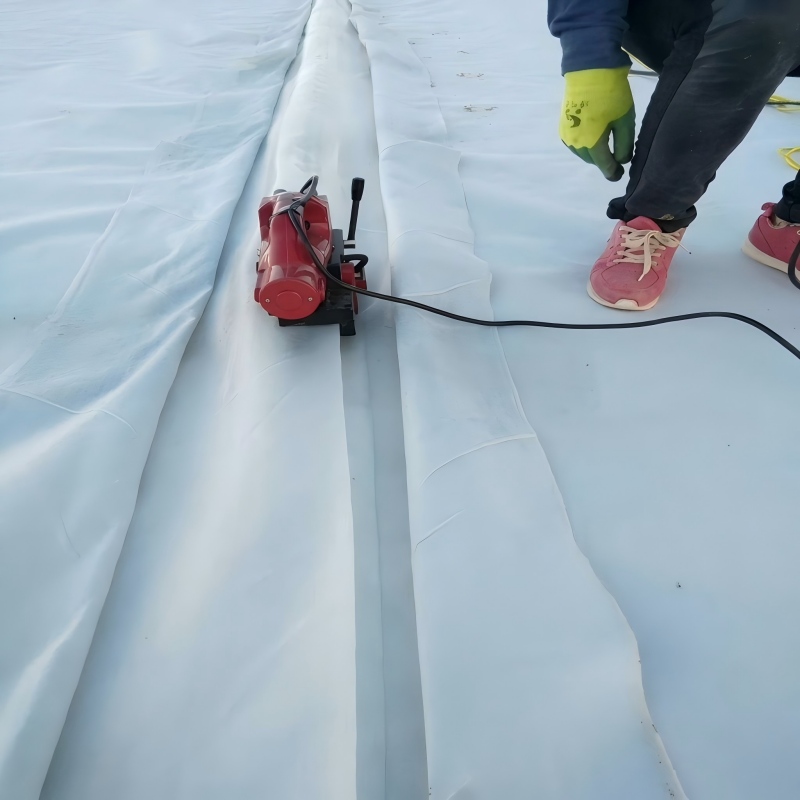
Revestimento de geomembrana composta
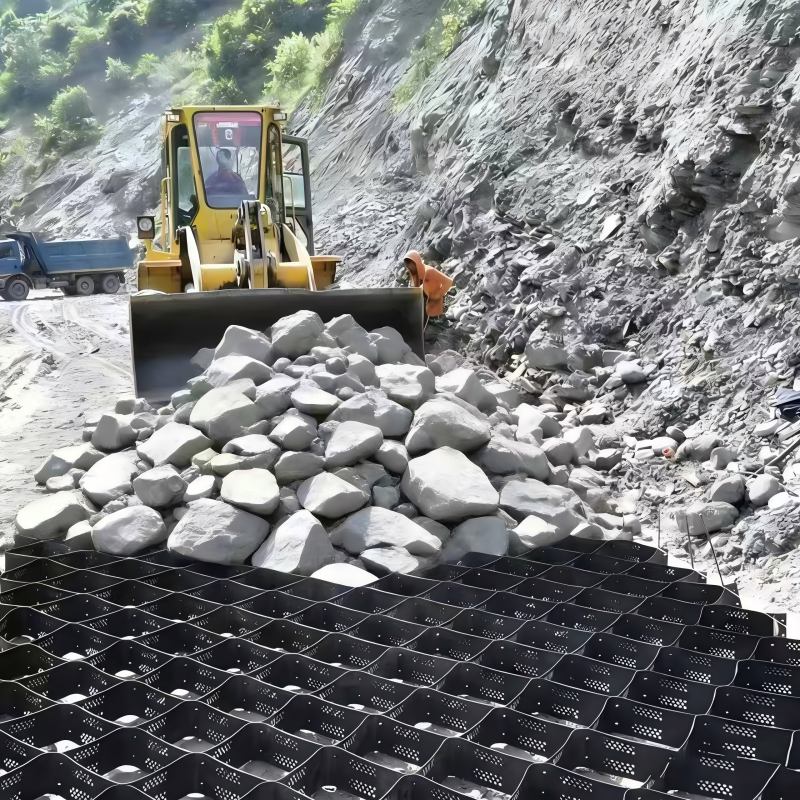
Proteção de canal
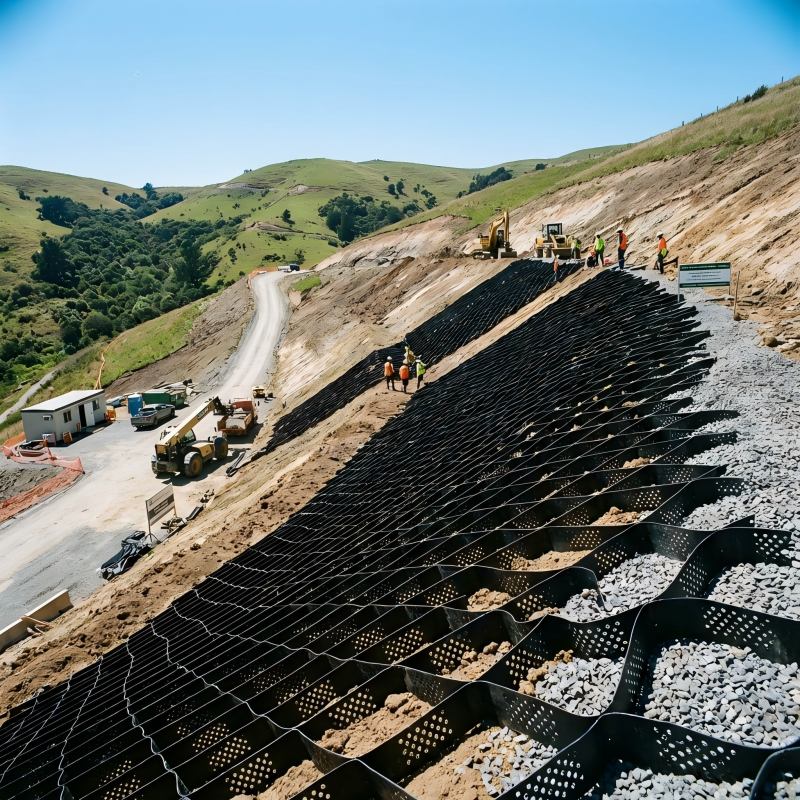
Controle da erosão em taludes
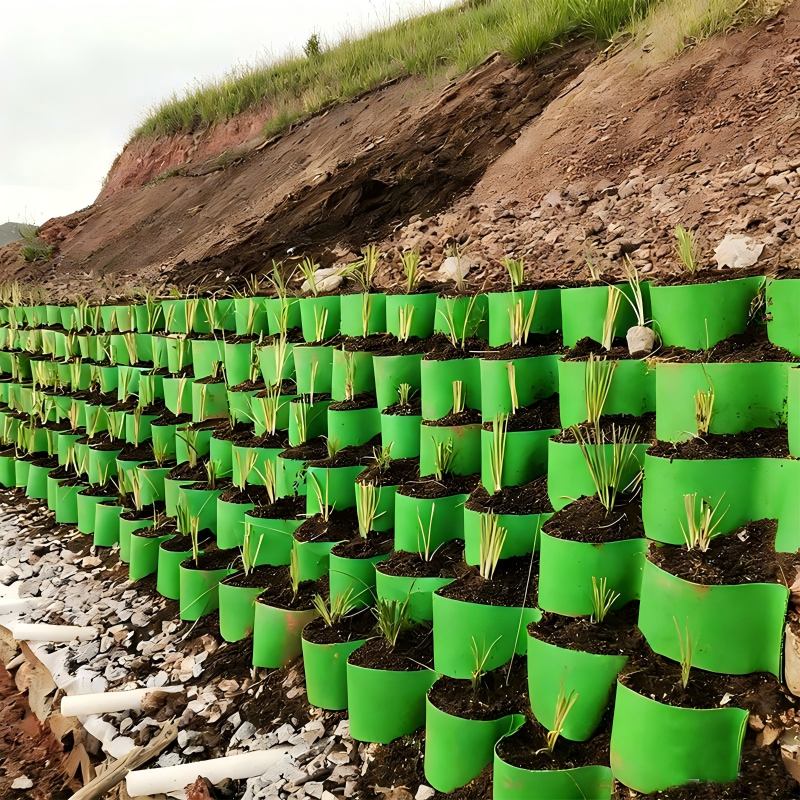
Muros de contenção

Mais do que um fabricante
Seu parceiro de soluções
Unimos a eficiência da produção direta da fábrica à expertise em engenharia. Seja para lidar com regulamentações rigorosas ou condições complexas do local, nossa equipe oferece a "Força Invisível" que seu projeto exige por meio de uma profunda colaboração técnica.

Colaboração de especialistas

Autoridade de Fábrica

Soluções Inovadoras
Solicite um orçamento