Why Do Golf Courses Use Bunker Liners?
-

- 5th Novembro 2026

Golf courses put bunker liners in the ground to keep plain soil out of the nice bunker sand. They also help hold the sand tight on steep slopes. Plus, they let rainwater drain away safely. Doing this cuts down on hard repair work after a big rainstorm. It keeps the sand perfect for playing.
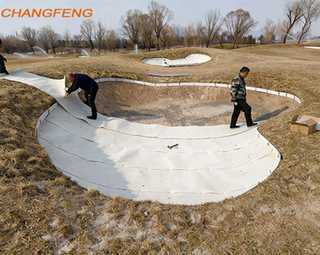
Tapete de areia is one special material placed right under the sand. How well it works relies on a few things. These include the sand type, the bunker’s shape, how workers put it in, and the drain pipes below. If course bosses get how these things link up, they will know exactly where a liner helps most. They will also see what daily upkeep it still needs.
What Is a Bunker Liner?
A bunker liner sits deep under the top sand. It rests right on top of the bare dirt base. It acts like a wall to keep things apart. Depending on how it is built, it grips the sand. At the same time, it lets water flow right through.
You can find liners in a few different styles. Some are cloth fabrics. Others are thick, three-dimensional polymer mats. Some are even made of glued materials with tiny holes. Their shape changes how they touch the sand. It also changes how workers lay them down. A flat cloth can keep dirt away. But an open, three-dimensional mat does more. It gives tiny sand grains a safe home to sink into.
Sandmat comes as either a flat nonwoven cloth or a thick three-dimensional polymer shape. It just depends on what you buy. Workers cut it and spread it over the bare dirt. They do this before they pour in any sand. The fabric, the seams, and the tight edges must fit the bunker’s exact shape.
Since the liner is buried deep, golfers mostly just see white sand. But the work crew must know where it hides. They really need to watch the shallow sides and high, steep faces. The sand depth can shift a lot in those spots.
Why Does Bunker Sand Become Contaminated?
Normal dirt under a bunker can easily mix with the good sand. Rain, walking feet, and daily yard work stir up the line between them. Tiny dirt bits can make the sand look ugly. They also block water from draining. Sometimes, big stones push up into the sand. This makes hitting a golf ball hard. It also makes fixing the trap a pain.
A good dividing layer stops this messy mixing. Keeping the dirt base covered is super helpful. This is very true when workers push sand back up after a bad storm. Doing repairs over and over can scrape up bare dirt. Then, that dirty soil gets dragged right into the fresh sand on the steep face.
Messes can come from above, too. Fast rainwater can wash mud in from the grass nearby. Dead leaves and cut grass also pile up on top. A hidden liner cannot block this junk from falling in. Workers still have to control the rushing water outside the bunker. They must sweep up trash as part of their normal jobs.
Before you pick out a liner, find out where the dirt comes from first. Dirt poking through on a high wall needs one kind of fix. Muddy water pouring over the edge needs a totally different fix. The liner type you pick must fix the real problem. Sometimes, you even have to change the yard outside the bunker.
How Does Sandmat Help Reduce Washouts?
Sandmat grabs onto sand at the very bottom. Its open, three-dimensional shape gives the little grains a space to lock into. This blocks the sand from sliding away. It really helps a lot on tall bunker faces.
When it rains hard, rushing water washes sand down the hill. This leaves ugly bare spots on the slopes. Good matting helps slow down this slide. Still, the final result changes based on a few facts. It depends on how tall the wall is. It also matters how the rain flows in, and what kind of sand you use. The mat can only hold onto the bottom grains. If big waves of water push the top sand, things will still move.
Putting it in right changes everything. The mat must hug the dirt shape perfectly. All the seams and edges must be locked down tight. Bumps, loose parts, or messy borders ruin the protective cover. These bad spots will force you to do extra repairs later.
Does your bunker wash out a lot? Look at where the rain flows during a storm. If water rushes in at just one spot, you might need to fix the grass outside. You will need more than just a holding layer. A liner can support the sand. But the drain pipes and outside edges must handle the crazy water.
Drainage Depends on the Whole Bunker
Water needs a clear, open path. It must drop through the sand. Then it goes through the liner. Next, it hits the stone base. Finally, it travels through pipes to a safe exit. Every single piece changes how fast the puddle drains away.
A liner with holes lets water pass nicely if things are set up right. Sandmat does not take the place of real drain pipes. Maybe a pipe exit is stuffed with mud. Or maybe the dirt base acts like a soup bowl. If water gets trapped, just adding a mat will not fix the leak.
The sand matters heavily, too. The size of the grains and the dust level change how water drops. The tight hug between the sand and the liner also changes the drainage speed. So, you must think about how the mat pairs with your specific sand. Just reading that a mat drains well on a box is not enough. You have to test it in a real bunker setup.
Always check the pipe links before you bury the mat. Make sure the exit is totally clear. See if water actually has a real way out. The dirt base must lean toward the pipes. Are you unsure if the parts match? Test a small batch of materials first. Do this before you spend money on the whole trap.
After a rainstorm, go out and look. Mark where the puddles sit. Note where the sand washed away. Doing this helps the crew spot hidden issues. Looking at dry sand on a sunny day just hides the real trouble.
What Changes for the Maintenance Team?
A good liner blocks dirt and stops sliding sand. This cuts down the ugly cleanup after a bad storm. Workers will not have to shovel as much fallen sand back up. They will see less mud mixed into the bright playing sand. How much time they save just depends on the crazy weather and the bunker’s shape.
Daily raking still needs a gentle touch. The sand depth shifts every single day. Golfers stomp in and out. Workers rake it. Rain washes it around. A heavy rake can easily snag a bare liner. This can rip the fabric, depending on what tools the crew uses.
Good checking jobs for the crew include:
Check for thin sand on tall walls and entry steps.
Hunt for bare edges, popped seams, or ripped parts.
Check the pipe exits after storms and pull out the trash.
Write down spots that always need extra sand shoveled in.

If you see a bare liner, check it closely. Do this before you throw fresh sand on it. Just hiding a ripped spot with sand is bad. It just covers up a mess that will pop out again tomorrow.
What Determines Whether a Liner Works Well?
A liner must match the exact bunker perfectly. Holding sand, blocking dirt, and dropping water all tie together. It relies on the mixed parts and the smooth dirt base underneath.
These easy steps link your shopping choice to real yard work:
|
Factor |
What to Check |
Por que isso importa |
|---|---|---|
|
Bunker sand |
Grain size and how it matches the liner |
Changes how sand holds and water drops |
|
Sand cover |
Planned depth and spots that get too thin |
Keeps the expensive liner safe from golf clubs and rakes |
|
Face slope |
The curve and how often sand slides down |
Decides how strong the mat’s grip needs to be |
|
Prepared base |
Smooth dirt and the planned drain angle |
Keeps the liner totally flat and safe |
|
Joints and edges |
Safe overlaps and tight pins for the chosen system |
Stops gaps from showing and keeps the mat still |
|
Drainage |
Pipe links, low spots, and the exit tube |
Gives rainwater a fast way out |
When fixing an old trap, look at the bare dirt. Do this right after you dig out the old sand. This is your best chance to fix blocked pipes and bumpy dirt. Fix them before you bury them again. Keep the building guide in the work shed. This helps the yard crew do future fixes the exact same way.
Sandmat for Golf Bunker Projects
CHANGFENG sells Sandmat to hold golf bunker sand in place. They make it in flat nonwoven styles or thick three-dimensional polymer shapes. It fits whatever your project needs. You can pick the roll width, length, and fatness. You can change the shape for brand new holes or old yard fixes.
To check the goods, look at the thick shape and water flow. Also, check the building rules next to your chosen sand. You can get test pieces to check first. When the big rolls arrive, look at the threads. Check the three-dimensional shape, size, and how clean it looks. A good three-dimensional mat must stay puffy before you put it down. Always check the fresh rolls for crushed spots or bad rips before rolling them out.
Perguntas frequentes
Q1: Does Every Golf Bunker Need a Liner?
A: The choice depends on your current yard. If mud keeps ruining the white sand, you might need one. If sand keeps sliding down, check into a liner. Look at the dirt base, the pipes, and the repair logs. You need to know what exact mess the new system must fix.
Q2: Can a Bunker Liner Stop All Sand Washouts?
A: No. Crazy rain and rushing surface water can still push the sand. Good matting helps lock the bottom grains near the dirt. But, you still need good grass edges and clear pipes to handle the rushing water.
Q3: Does Sandmat Replace Drainage Pipes?
A: No. Sandmat just lets water drip through. It only works with a good stone drain base. Solid pipes and exits still must carry the heavy water away. The bunker plan still needs them.
Q4: Can Maintenance Rakes Damage a Bunker Liner?
A: Yes. This is very true when the sand is too thin or the mat peeks out. Always follow the work rules for the mat. Change your tools if you need to. Look closely at bare spots before you drag a rake over them.
Q5: How Much Sand Should Cover a Bunker Liner?
A: Use the exact depth your bunker plan calls for. The liner type changes this number. The sand type, steep hills, and daily yard tools also change the depth. Check the sand level a lot. Heavy raking and loud rainstorms easily create ugly bare spots.

Melhorando o desempenho da energia solar.
Projetos, soluções e fornecimento de energia mais recentes
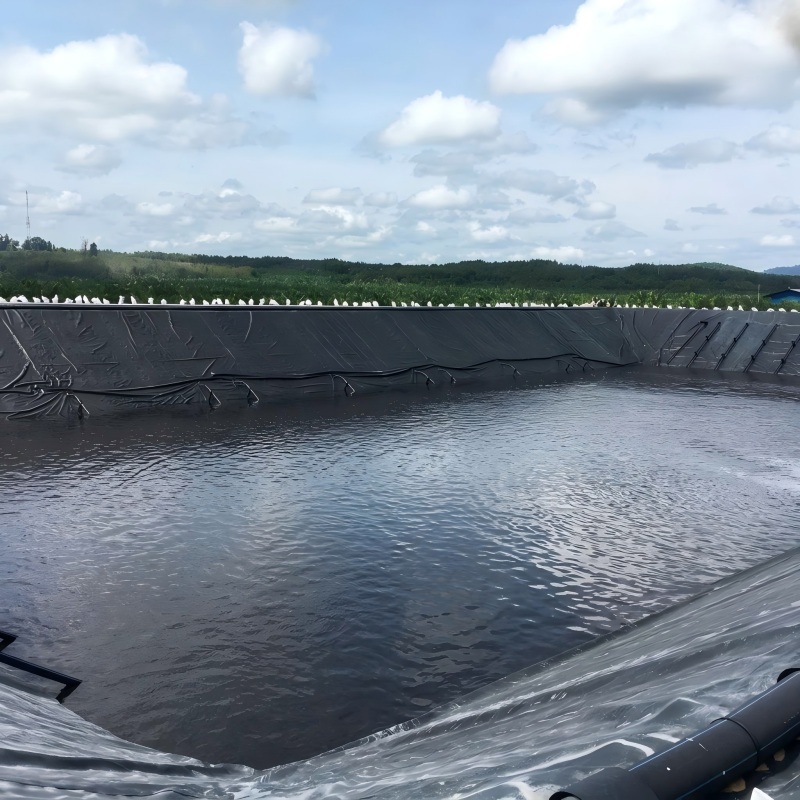
Geomembrana de PEAD texturizada
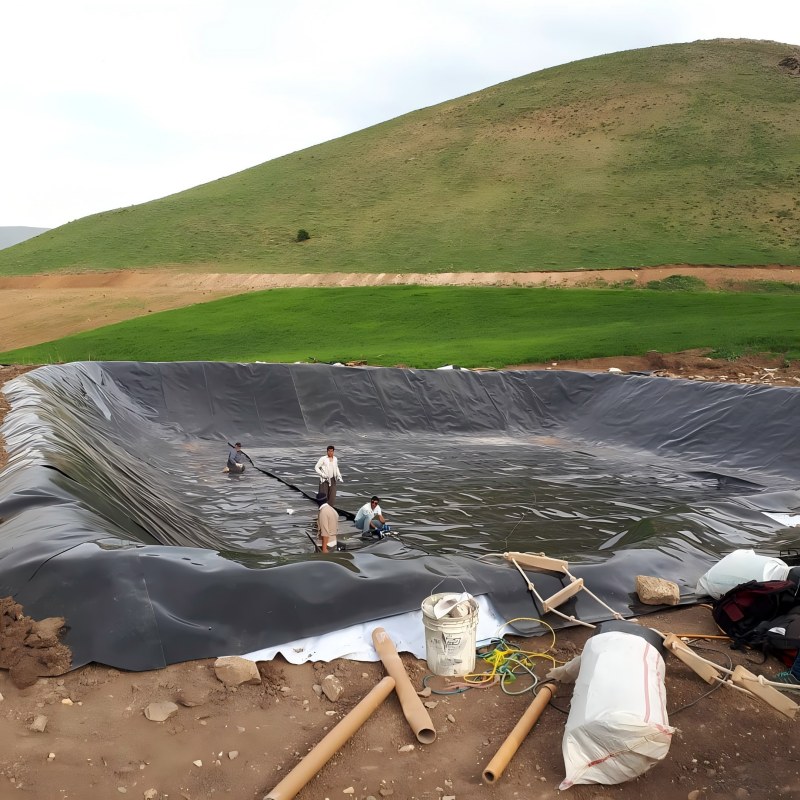
Revestimento de geomembrana lisa em PEAD
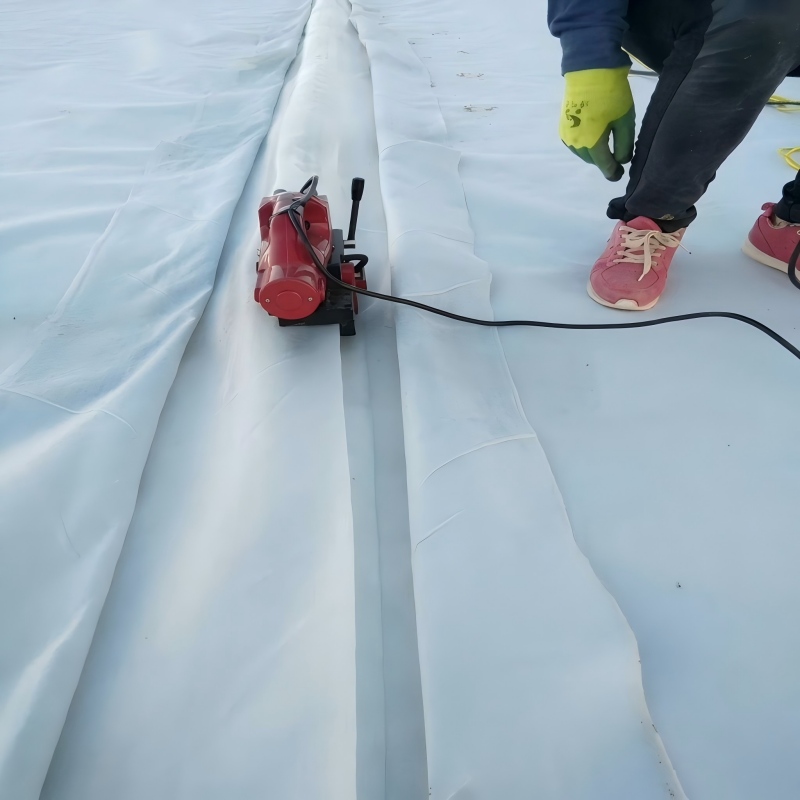
Revestimento de geomembrana composta
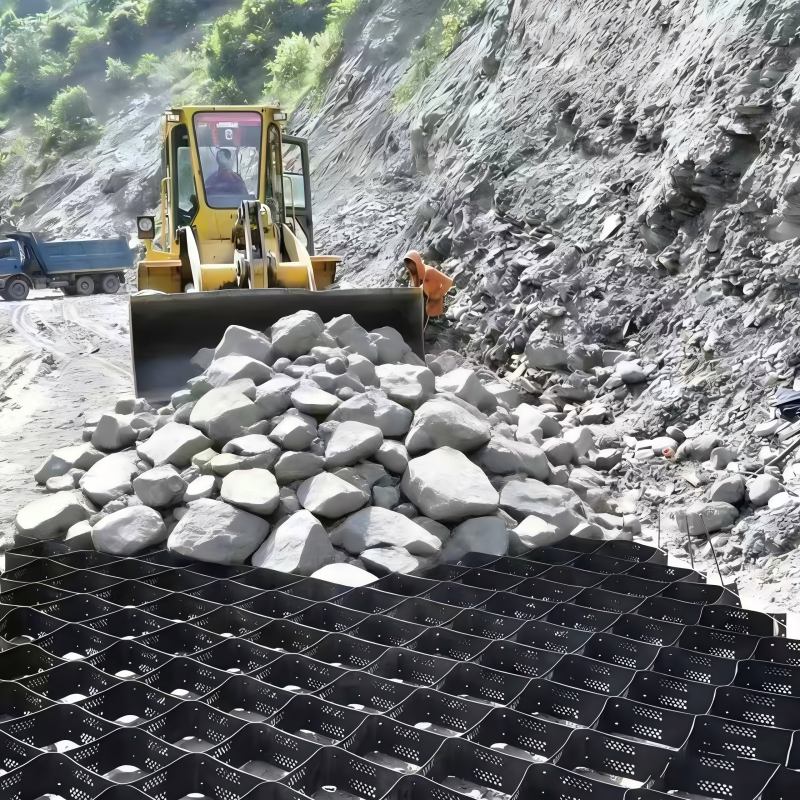
Proteção de canal
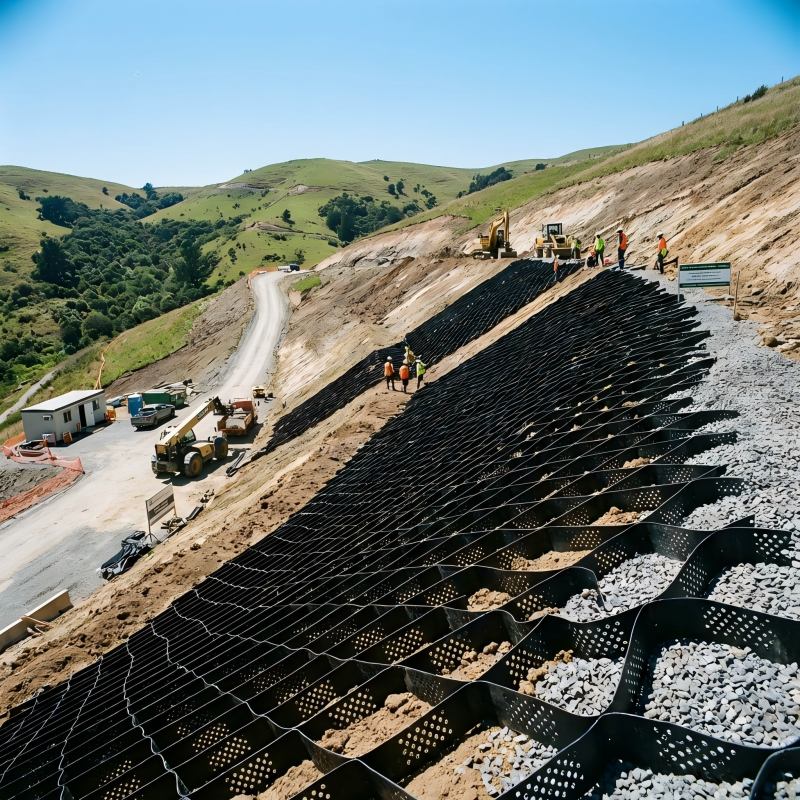
Controle da erosão em taludes
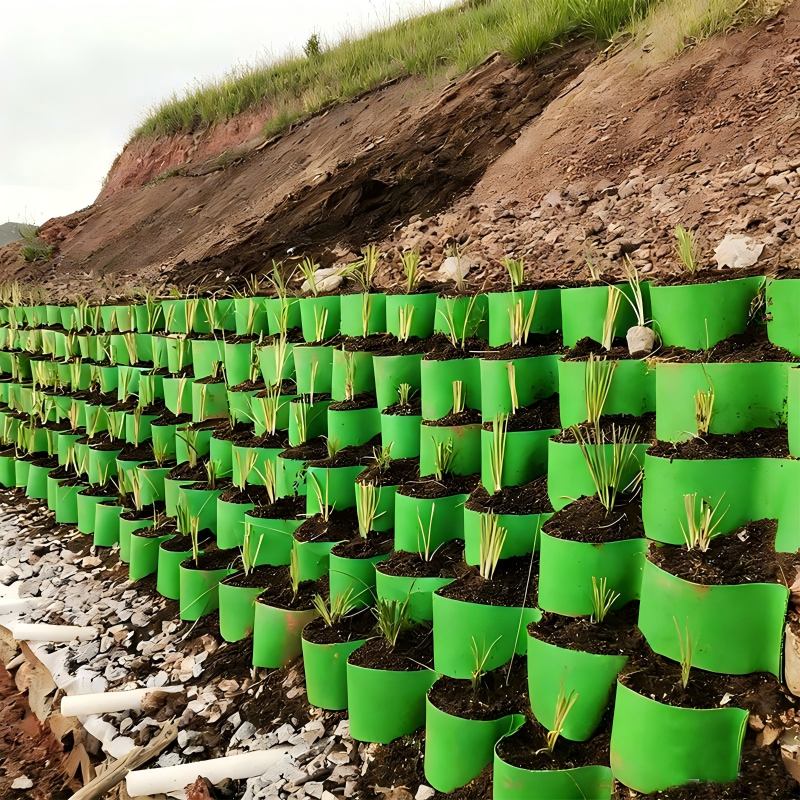
Muros de contenção

Mais do que um fabricante
Seu parceiro de soluções
Unimos a eficiência da produção direta da fábrica à expertise em engenharia. Seja para lidar com regulamentações rigorosas ou condições complexas do local, nossa equipe oferece a "Força Invisível" que seu projeto exige por meio de uma profunda colaboração técnica.

Colaboração de especialistas

Autoridade de Fábrica

Soluções Inovadoras
Solicite um orçamento