Composite Geomembrane Liner
- Composite geomembrane with one cloth one film or two cloth one film structures
- 400g to 1500g weight range and 0.2mm to 1.0mm intermediate film options
- Excellent seepage resistance against water, gas, and chemical migration
- High tensile strength, tear resistance, CBR burst strength, and peel strength
- Suitable for landfill, wastewater, hydro-engineering, mining, road, and agriculture
- OEM/ODM support with samples, specifications, testing records, and export packing
What Is Composite Geomembrane Liner?
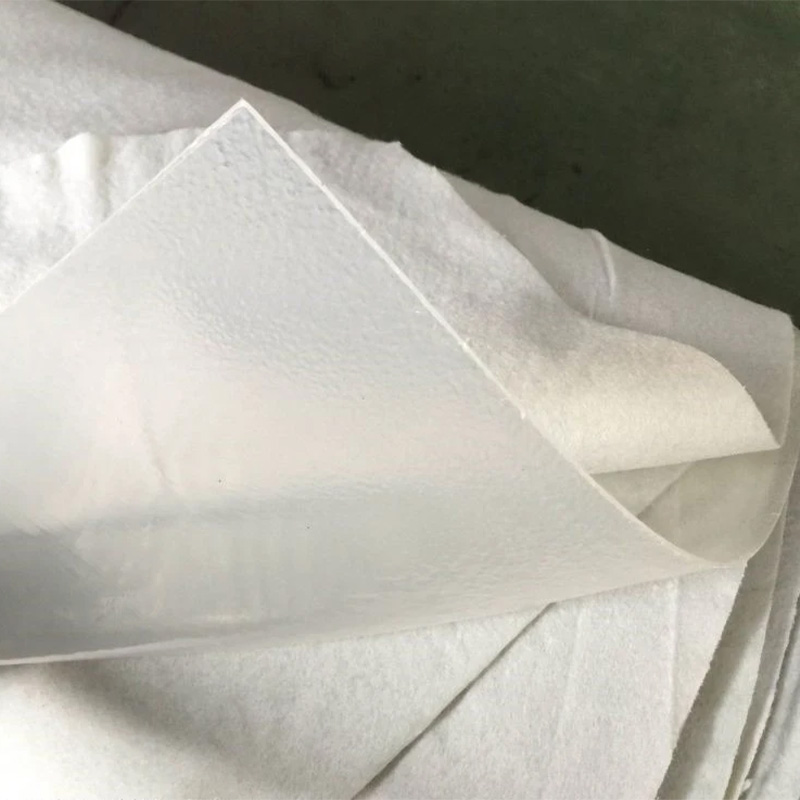
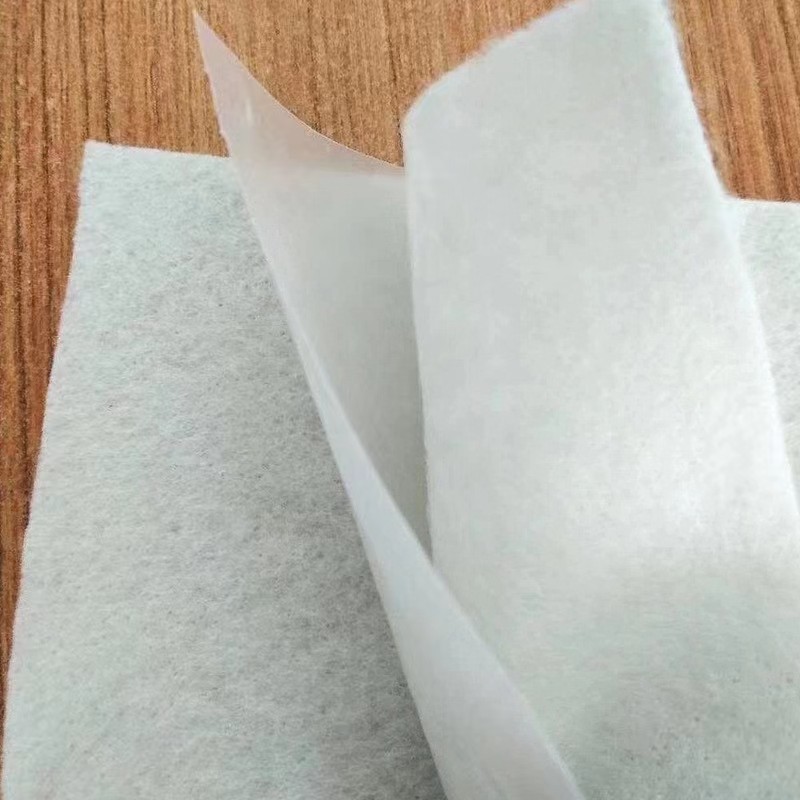
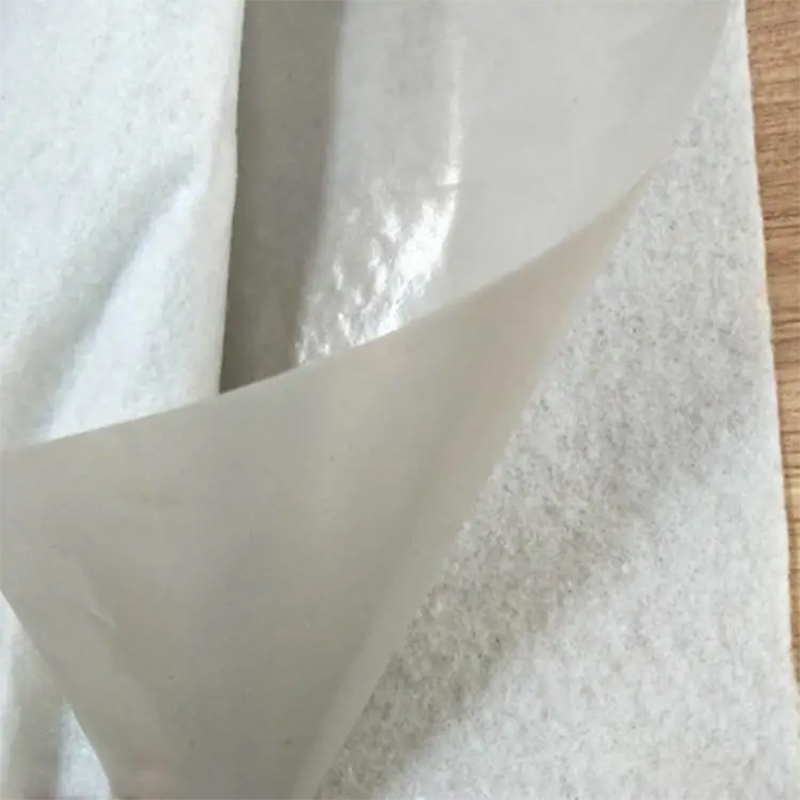
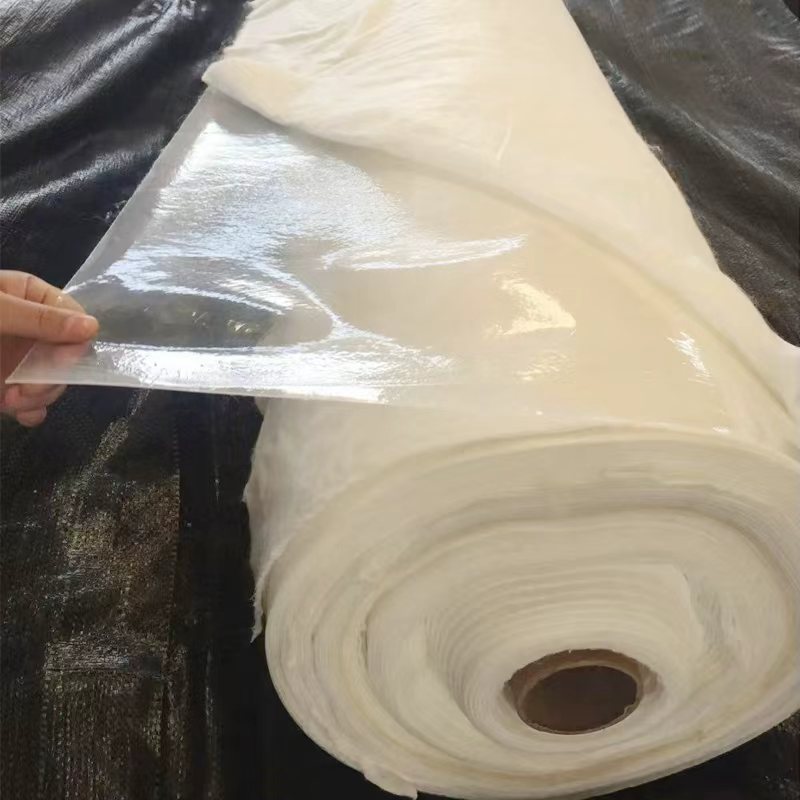
So, what exactly is a Composite Geomembrane Liner? Well, it’s basically a super tough geotechnical anti-seepage material. We make it by bonding an HDPE or LDPE geomembrane right together with one or two geotextile layers. And depending on your specific project design, that fabric can either be a short fiber non woven needle punched geotextile, or even a strong filament geotextile.
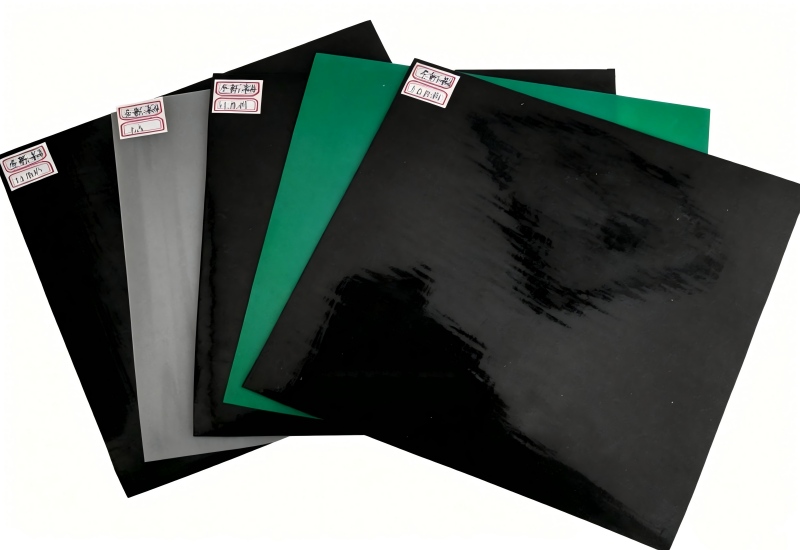
You get plenty of choices for the reference structure. It easily covers weights from 400g to 1500g, while the intermediate film thickness ranges right from 0.2mm to 1.0mm. Usually, folks just go with a white or black film. But hey, if your job actually needs green and blue options, we can totally make those happen through standard laminating or film blowing processes.
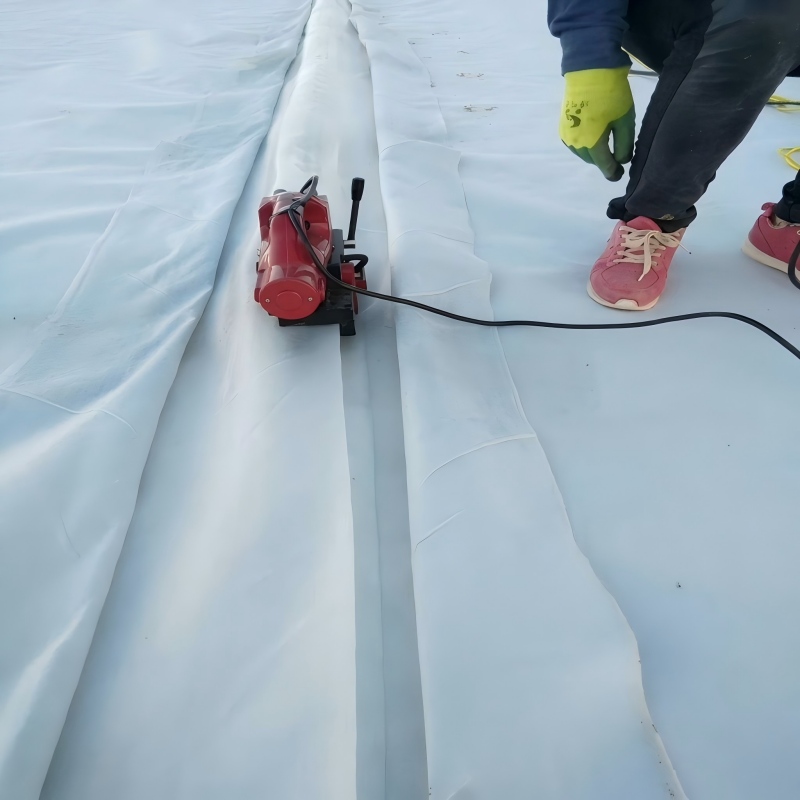
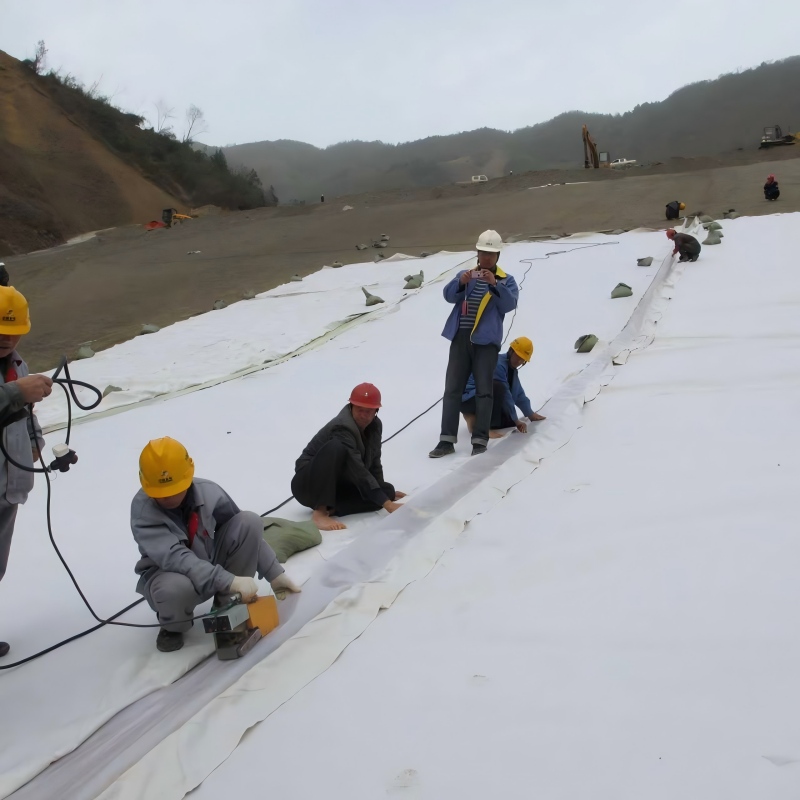
Why pick this over a regular smooth geomembrane alone? Simple! The composite structure brings a lot more to the table. It adds massive protection, aging resistance, corrosion resistance, and deep tensile support. Plus, it just gives you way better installation survivability out in the dirt. You can quickly cut, fold, or weld the stuff. Throw it onto really complex site shapes, and it still holds onto perfectly stable waterproofing and isolation performance.
If you need a solid supplier, CHANGFENG supplies the exact Composite Geomembrane Liner you’re looking for. We ship it out constantly for big landfills, messy wastewater treatment, road construction, and aquaculture. It honestly does a fantastic job for landscape, agriculture, mining, water conservancy, and even strict ecological restoration projects.
Product Features and Benefits
1. Exceptional Seepage Resistance
Composite geomembrane blocks water, gas, and chemical migration, making it suitable for waterproofing and isolation layers.
2. High Tensile Strength
The film and geotextile reinforcement layers provide break strength, tear resistance, and CBR burst support under site stress.
3. Excellent Weather Resistance
HDPE or LDPE film can resist UV exposure, temperature changes, and chemical contact in exposed or buried conditions.
4. Broad Site Adaptability
The liner can be used on different soil types, terrain shapes, surface projects, and underground construction environments.
5. Installation Flexibility
The product can be cut, folded, welded, and shaped around complex structures, reducing installation difficulty on site.
6. Eco-Friendly Material Option
The liner is produced from recyclable polymer materials and can help reduce pollution risk during its service life.
Project Supply Support
CHANGFENG supports Composite Geomembrane Liner orders with OEM/ODM production, sample confirmation, test records, roll labels, export packing, and project-based documentation.
Product Parameter Table
| Test Item | Test Properties | Unit | GSO4 | GSO5 | GSO6 | GSO7 | GSO8 |
|---|---|---|---|---|---|---|---|
| Weight | Weight | g/m2 | 400 | 500 | 600 | 700 | 800 |
| Film Thickness | Film Thickness | mm | 0.25-0.35 | 0.25-0.35 | 0.25-0.35 | 0.30-0.50 | 0.30-0.50 |
| Mechanical Properties | Break Strength | kN/m | 5.0 | 7.5 | 10.0 | 12.0 | 14.0 |
| Mechanical Properties | Break Elongation | % | 30-100 | 30-100 | 30-100 | 30-100 | 30-100 |
| Mechanical Properties | CBR Burst Strength | kN | 1.1 | 1.5 | 1.9 | 2.2 | 2.5 |
| Mechanical Properties | Tear Resistance | kN | 0.15 | 0.25 | 0.32 | 0.40 | 0.48 |
| Mechanical Properties | Peel Strength | N/cm | >=6 | >=6 | >=6 | >=6 | >=6 |
| Hydrostatic Pressure | Film Thickness | mm | 0.2 | 0.3 | 0.4 | 0.5 | 0.6 |
| Hydrostatic Pressure | One cloth one film | MPa | 0.4 | 0.5 | 0.6 | 0.8 | 1.0 |
| Hydrostatic Pressure | Two cloth one film | MPa | 0.5 | 0.6 | 0.8 | 1.0 | 1.2 |
Application Scenarios
1. Waste Containment Systems
You’ll see these high-performance liners mostly getting rolled out for landfill bases, plus those heavy caps. Bottom line? They block that nasty leachate leakage. Which, let’s be honest, is exactly what you want to slash long-term soil contamination risk.
2. Wastewater Isolation Barriers
Got a project involving treatment plants or infiltration tanks? Lay down some composite liners. Same goes for those truly messy wastewater ponds. It’s the easiest way to make absolutely sure hazardous effluent doesn’t sneak into clean groundwater.
3. Water Conservancy and Hydro-Engineering
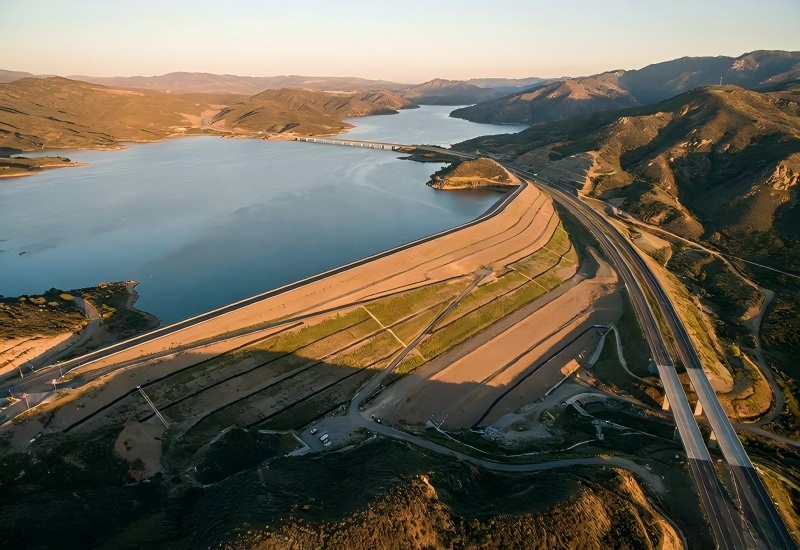
Dams, long canals, deep reservoirs, and irrigation ponds—they all desperately need tough seepage control layers. Otherwise, you just lose water. Put this down to lock the water in and give the whole setup way better structural stability.
4. Mining and Industrial Seepage Control
Rough tailings ponds. Busy petrochemical areas. Strict industrial containment sites. For places like these, you want heavy-duty composite liners, no question. They simply trap harsh pollutants right where they sit.
5. Agricultural Irrigation and Soil Protection
Walk around any farm and you’ll probably spot these in irrigation networks or warm greenhouses. Aquaculture ponds and farm water storage areas use them too. They just save water. And keep your valuable soil exactly where it needs to be.
6. Civil and Transportation Infrastructure
Roadbeds and railways take a beating, so engineers often throw in a tough composite geomembrane. Think of it as a massive, super strong moisture-proof layer. It completely stops sneaky water erosion from ruining deep foundations.
7.Land Remediation and Ecological Restoration
Doing environmental restoration projects? Roll out composite liners to act as your go-to isolation barriers. When you’re stuck doing messy land consolidation or really sensitive soil protection work, this stuff honestly works like a charm.
Quality Control
CHANGFENG checks Composite Geomembrane Liner by raw material, structure, weight, film thickness, break strength, break elongation, CBR burst strength, tear resistance, peel strength, hydrostatic pressure, roll width, and packing condition.
Project orders can include samples, specifications, test records, roll labels, batch numbers, packing photos, loading photos, and export documents for engineering procurement.
Packing and Delivery
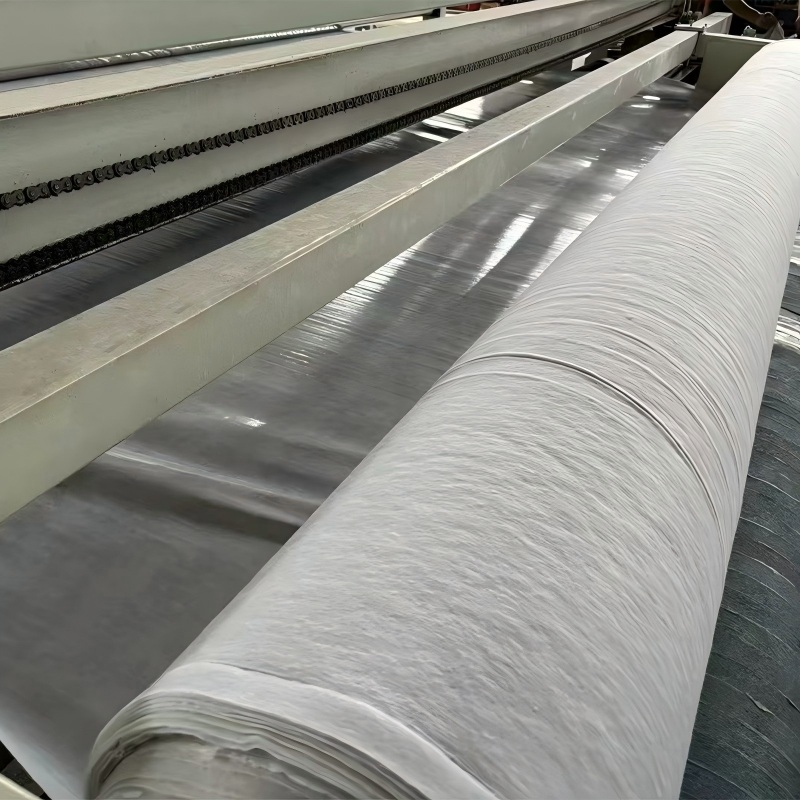
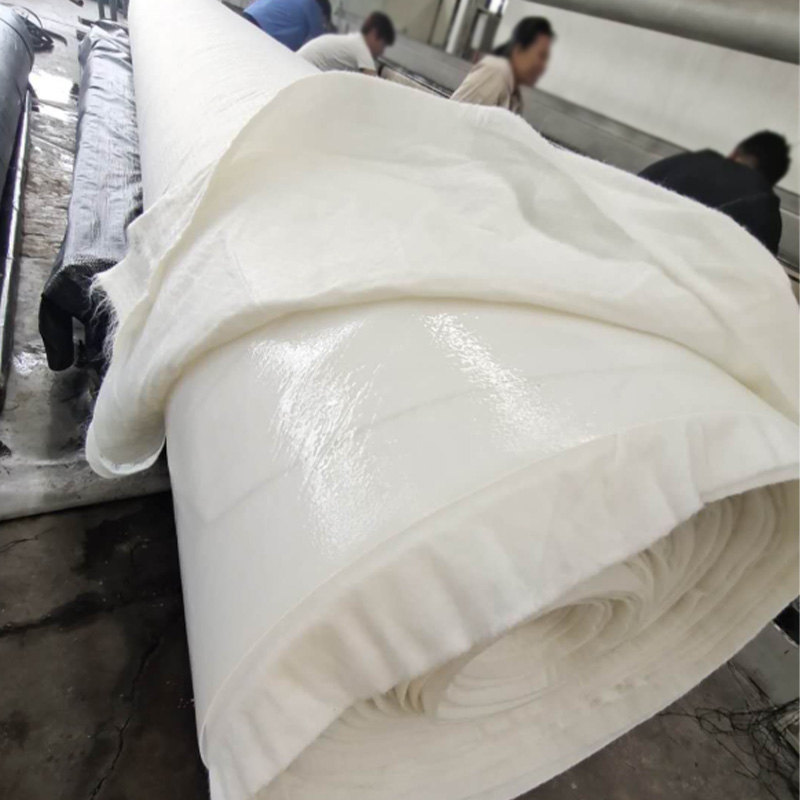
Composite Geomembrane Liner is supplied in rolls. Each roll can be wrapped with protective film or woven fabric, marked with specification labels, and loaded according to roll size, weight, destination, and shipping plan.
FAQ
Q1: Can you do OEM for Composite Geomembrane Liner?
A: Yes. Composite geomembrane structure, roll size, color, packing label, and project documentation can be produced according to buyer requirements.
Q2: Why choose CHANGFENG as a geosynthetics supplier?
A: CHANGFENG supports geosynthetic projects with manufacturing experience, stable production, quality control, export packing, and project-based document support.
Q3: Can I get a sample before ordering?
A: Yes. Available samples can be discussed before order confirmation. Sample freight terms can be confirmed with the sales team according to destination and order plan.
Q4: What payment methods are available?
A: Small orders can be discussed separately. Larger customized orders commonly use T/T with deposit before production and balance before delivery; other terms can be confirmed case by case.
Q5: What affects the shipping cost?
A: Shipping cost depends on order quantity, roll size, packing method, destination port, and shipping method. Buyers may also arrange shipment through their own forwarder.
Q6: Can small quantity orders be accepted?
A: If suitable stock is available, small quantity orders can be arranged. If no stock is available, production can be coordinated with other orders when possible.
Q7: What information is needed for quotation?
A: Please provide structure, weight, film thickness, roll width, roll length, application, quantity, destination port, and any testing or packing needs.

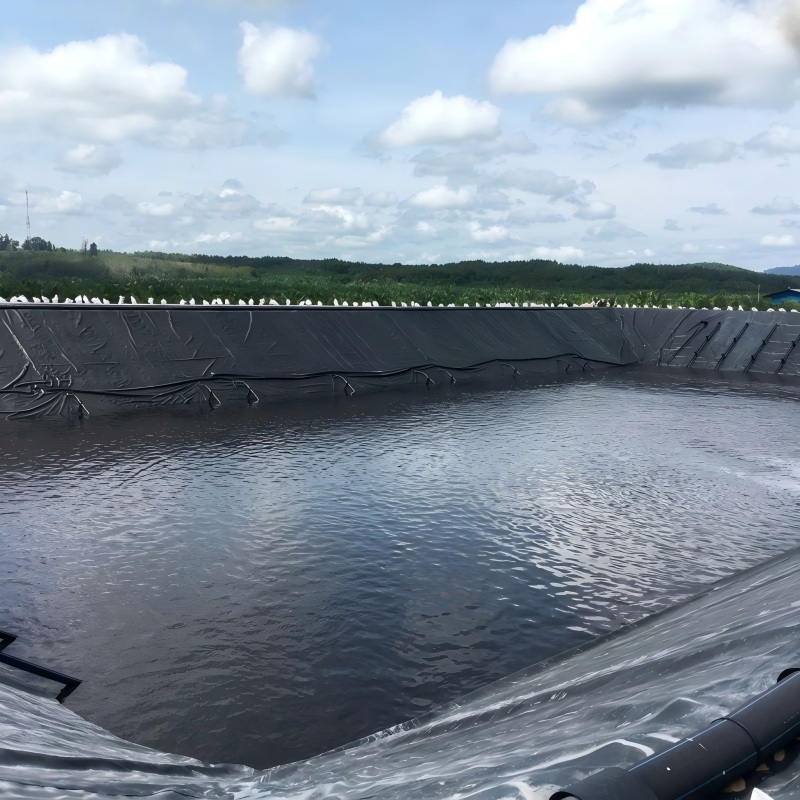
Textured HDPE Geomembrane
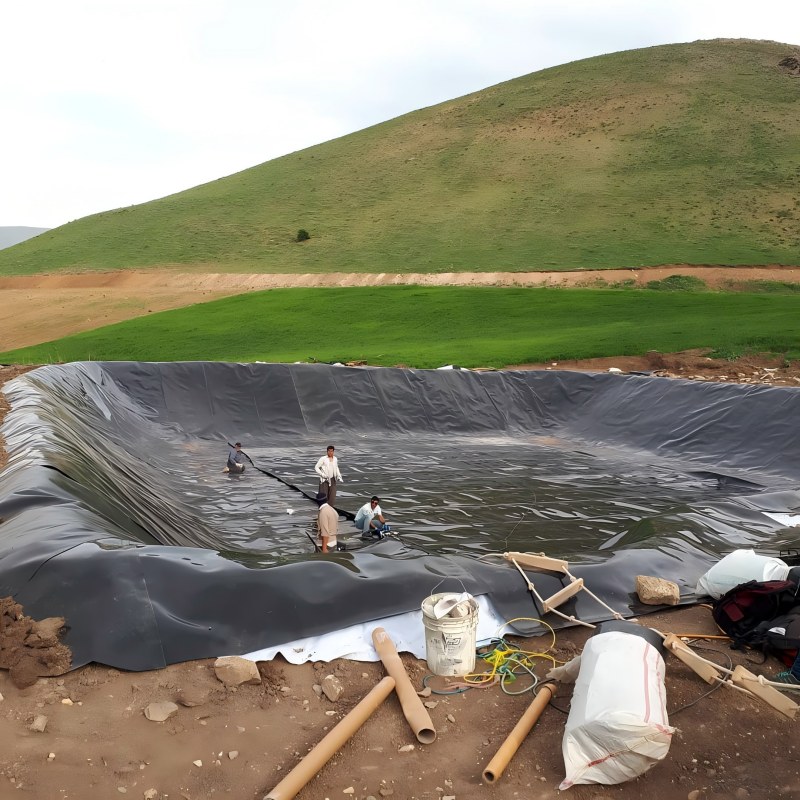
Smooth Geomembrane HDPE Liner
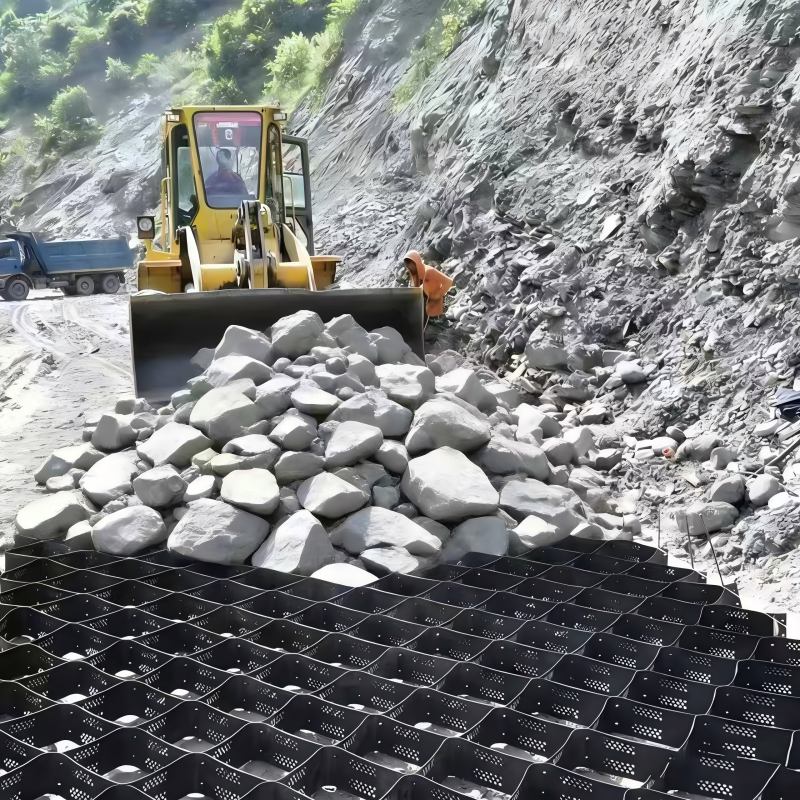
Channel Protection
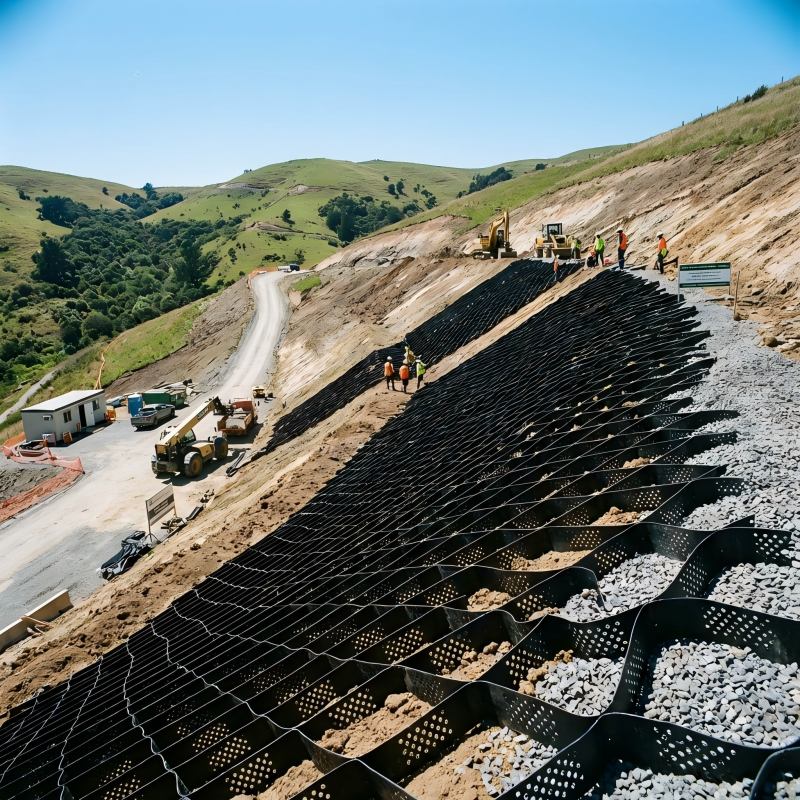
Erosion Control for Slopes
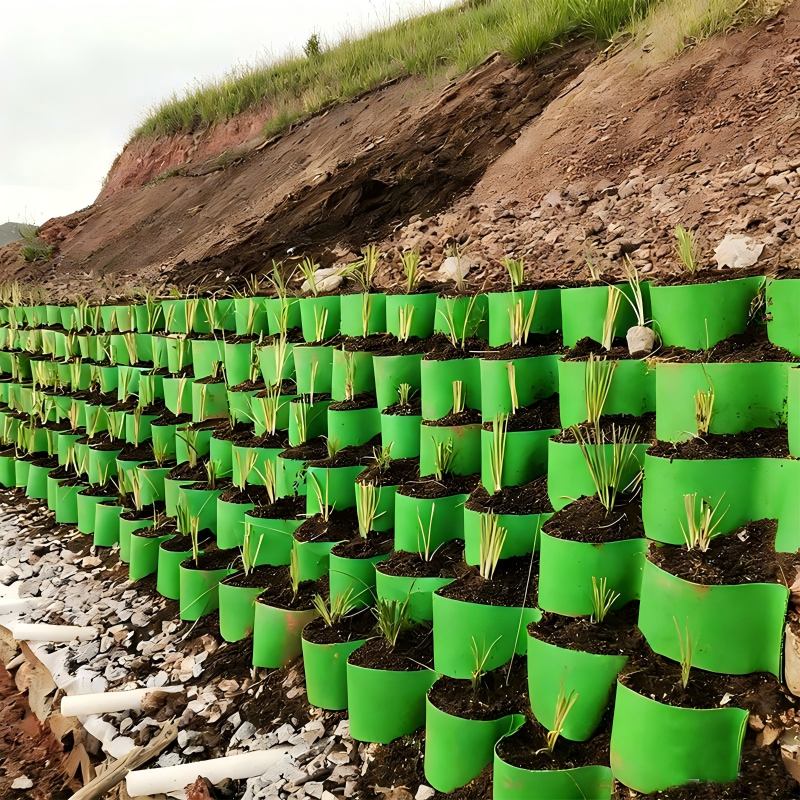
Retaining Walls
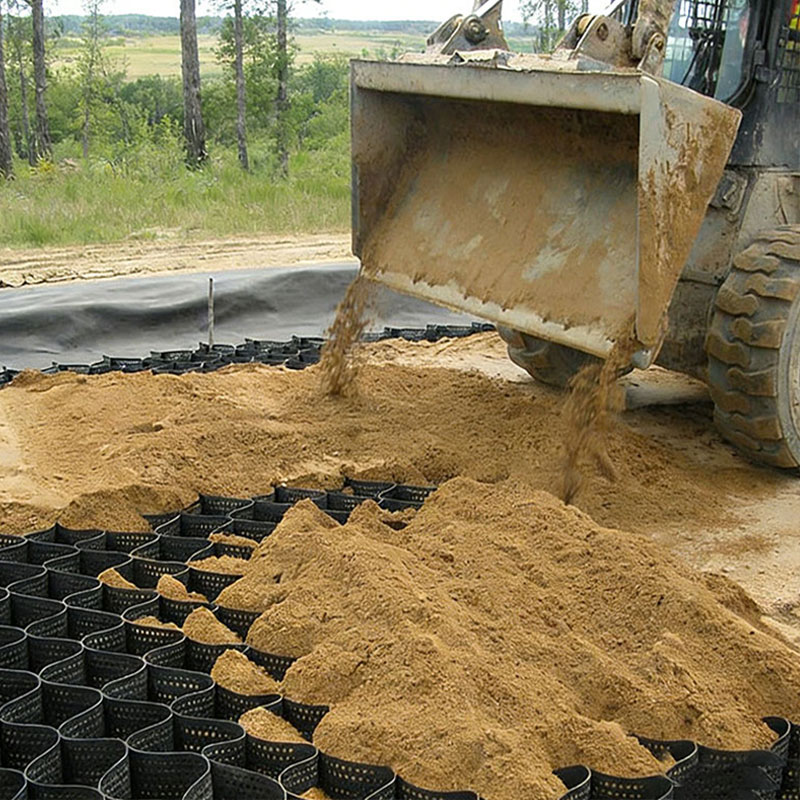
Roads and Highways
News & Announcements
Recent Articles
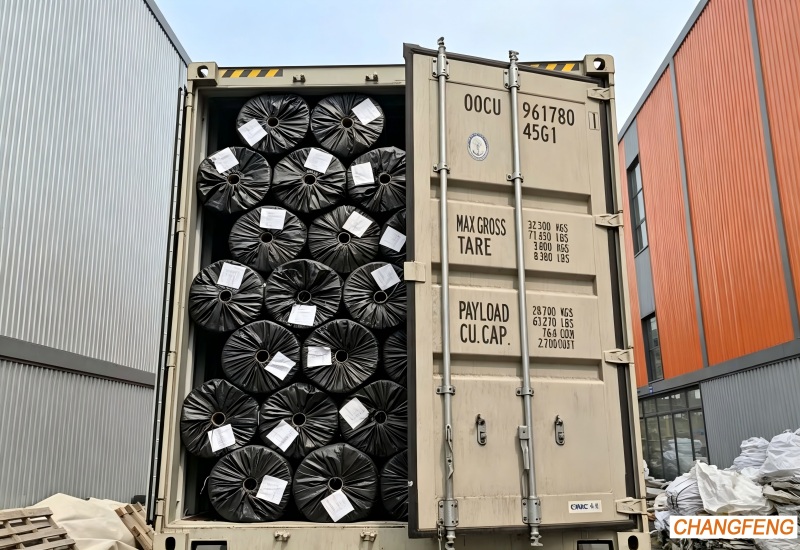 1st juin 2026
Destination: Global Markets. Another Batch of Certified Geomembranes Leaves Our Facility
 21st mai 2025
Virgin vs. Recycled HDPE Geomembrane: Which is Right for Your Containment Project?
Service Service Service Service Service Service Service Service
Our Service
Factory-Direct Price Advantage
Stable Supply Chain
Wide Product Portfolio
Technical and Product Support

Brand and Market Support
What Are You Looking For?

More Than a Manufacturer
Your Solutions Partner
We bridge the gap between factory-direct efficiency and engineering expertise. Whether you're navigating strict regulations or complex site conditions, our team delivers the 'Unseen Strength' your project requires through deep technical collaboration.

Expert Collaboration

Factory Authority

Innovative Solutions
Get A Quote