Geomembrane vs Geotextile: Functions, Differences and When to Use Each
-

- 28th agosto 2026
When you need to pick between a geomembrane and a geotextile, you really have to look at what job you want each layer to do. The choice basically starts right there. A geomembrane acts like a tough wall. It forms a low-permeability barrier. This means it strictly controls liquid or gas migration, stopping them from passing through. On the flip side, a geotextile remains completely permeable. Water can easily flow right through it. People use this fabric to perform filtration, separation, drainage, reinforcement, or general protection.
You will actually see many engineered sections use both materials together. Why? Well, the geomembrane provides the heavy containment to hold the water or gas. At the exact same time, the geotextile manages the overall protection. It takes care of the soil or water flowing around the plastic liner.
Geomembrane vs Geotextile: Quick Comparison
| Comparison Point | Geomembrana | Geotextil |
| Permeabilidad | Low-permeability barrier | Permeable textile |
| Main functions | Containment and cut-off | Filtration, separation, drainage, reinforcement and protection |
| Product form | Smooth, textured or composite polymer sheet | Woven or nonwoven fabric |
| Common project role | Controls liquid or gas migration | Manages soil, aggregate, water flow or contact stress |
| Typical applications | Ponds, canals, landfills, wastewater and mining areas | Roads, drainage trenches, slopes, retaining structures and liner protection |
The Short Selection Rule
Containment points to a geomembrane. Filtration, separation, drainage, reinforcement or protection points to a geotextile. Combined functions call for coordinated products.
Define the function before selecting polymer, thickness, mass per unit area or roll size.
What Is a Geomembrane and What Does It Do?
A geomembrane is a polymer sheet installed as a continuous barrier. The complete geomembrane guide covers its materials, seams and supporting layers.
Main Geomembrane Functions
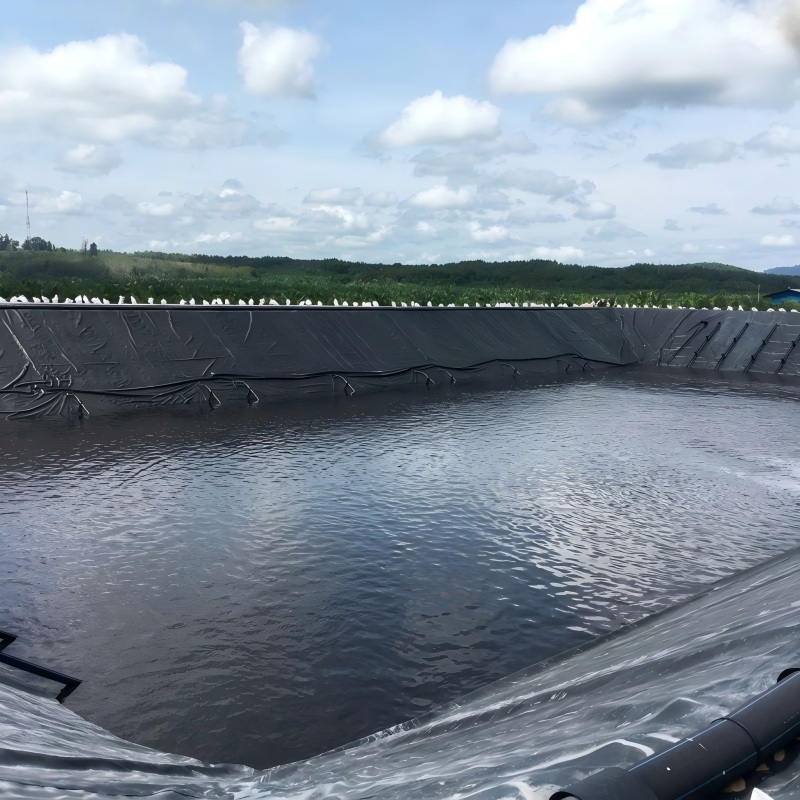
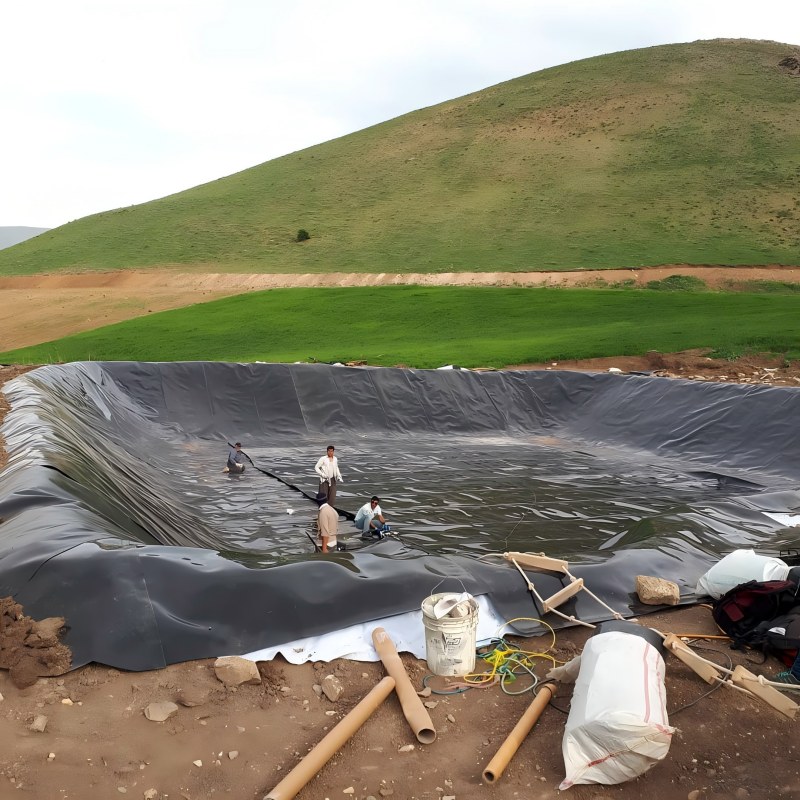
The liner controls seepage and separates a contained liquid or gas from the surrounding ground or structure. Applications include reservoirs, canals, landfill cells, wastewater ponds, mining facilities and aquaculture ponds.
Smooth, Textured and Composite Structures
CHANGFENG lists smooth geomembranes in HDPE, LDPE and LLDPE. Its documented range covers 0.75-2.0 mm thickness, standard widths of 6-8 m, widths up to 9 m and roll lengths of 50-100 m. Textured HDPE has one textured face or two for friction-sensitive slopes. Composite products bond HDPE or LDPE film to one or two geotextile layers.
What Is a Geotextile and What Does It Do?
A geotextile is basically a special, permeable polymer fabric. Builders usually place it in the dirt with soil, hard aggregate gravel, or another geosynthetic material. Just like the plastic liners, its assigned function directly guides the final product specification you choose.
Filtration, Separation and Drainage
Let’s look at filtration first. In filtration, water passes easily through the fabric. But, the cloth catches the dirt. The selected soil particles remain safely in place. Next is separation. A separation layer limits the messy mixing between soft subgrade dirt and hard aggregate gravel. When wrapped around drainage media like pipes, the textile simply retains the soil so the pipes stay clean.
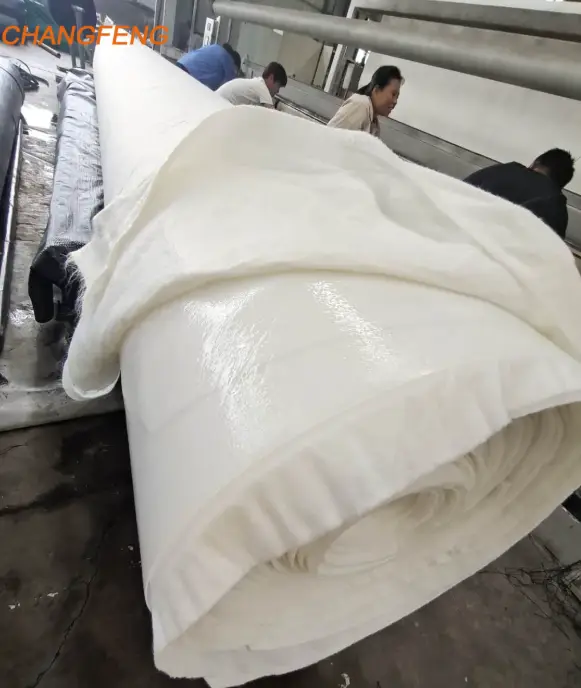
CHANGFENG’s special short-fibre nonwoven geotextile is very popular. It uses needle-punched PP or PET staple fibres to get the job done. Common listed applications for this fabric include busy roadbeds, deep drainage trenches, everyday landscaping, steep dirt slopes, and retaining-wall drainage systems.
Reinforcement and Protection
Sometimes the earth needs to be stronger. CHANGFENG lists tough continuous-filament nonwoven products for this. These are great for heavy filtration, separation, drainage, ground reinforcement, and protection. If you lay it down beside a geomembrane, a nonwoven layer safely cushions the plastic liner. It protects it against sharp, concentrated contact from rocks.
Woven and Nonwoven Product Forms
The CHANGFENG products covered here are short-fibre and continuous-filament nonwovens. Treat a woven requirement as a separate technical review.
What Are the Main Differences Between Geomembrane and Geotextile?
Procurement teams can compare four groups of information.
Permeability and Fluid Control
A geomembrane restricts fluid migration. A geotextile passes water during filtration or drainage. A combined section assigns these outcomes to separate layers.
Material Structure and Surface
Geomembranes are polymer sheets with smooth or textured surfaces. Geotextiles are fabrics made from fibres, filaments or yarns. A factory-bonded composite geomembrane joins film and textile within one product structure.
Mechanical and Hydraulic Selection Data
Geomembrane enquiries start with polymer, surface and thickness. Geotextile enquiries start with function, polymer and mass per unit area. Compare offers against the same requested properties and test methods.
Placement and Project Records
The layer sequence should identify installation areas and adjacent materials. Depending on the confirmed order, records may include specifications, test documents, labels, batch information, packing photos and loading records. Agree on the list during order review, then connect roll or batch references to each work area.
When Should You Use a Geomembrane?
Use a geomembrane for containment or a cut-off layer.
Ponds, Reservoirs and Canals
Water projects use geomembranes to control seepage. State the stored medium, geometry, slope, material and thickness.
Landfills, Wastewater and Mining Containment
The technical review needs the application, contained medium, structure, material, thickness and testing requirements.
Slopes Requiring a Textured Barrier
Textured HDPE provides a friction-oriented surface for sloping interfaces. The layer sequence and adjacent materials determine whether the specification calls for texture on one face or both.
When Should You Use a Geotextile?
Use a geotextile to manage soil, aggregate, water flow or contact stress.
Roads and Aggregate Separation
Road and railway works may place geotextile between subgrade and aggregate. Identify the function, polymer, mass per unit area and required tests.
Drainage and Soil Filtration
Drainage trenches and retaining structures use geotextiles around drainage media. Submit soil and hydraulic conditions for review.
Cushion and Puncture Protection
A nonwoven geotextile can cushion a geomembrane from local contact stress. Specify the required mass grade, puncture properties and placement in the approved layer sequence.
When Should Geomembrane and Geotextile Be Used Together?
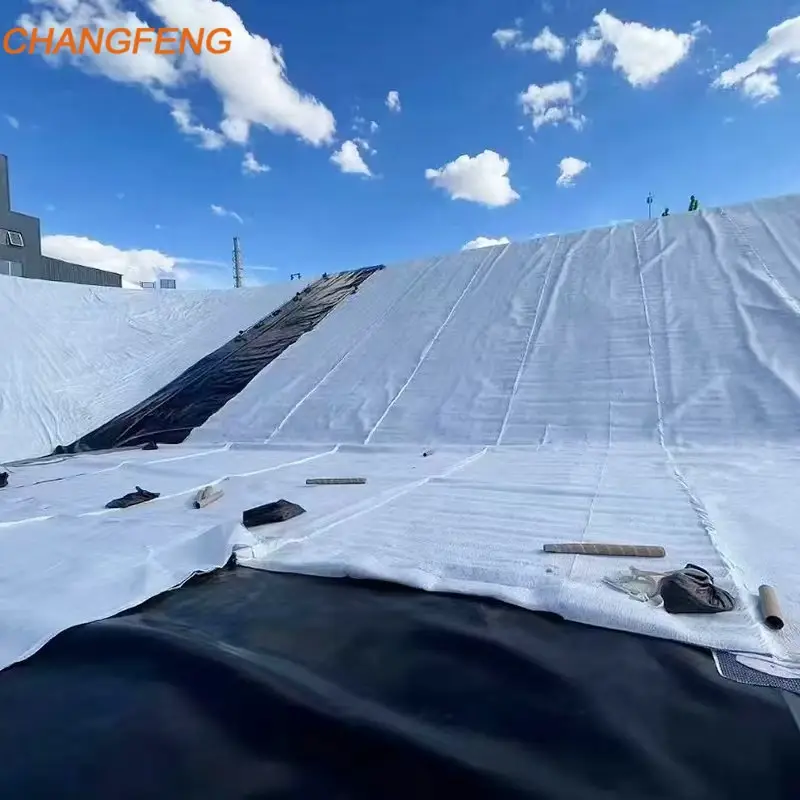
A layered system uses both products when the section needs containment plus filtration, drainage or protection.
| Project Need | Geomembrane Role | Geotextile Role |
| Liquid containment | Forms the barrier | Cushions or protects the barrier |
| Road separation | Usually outside this function | Separates subgrade and aggregate |
| Drainage filtration | Usually outside this function | Retains soil around drainage media |
| Liner protection | Controls liquid migration | Reduces concentrated contact on the liner |
| Bonded composite | Film supplies the barrier | One or two bonded textile layers supply protection or separation |
Landfill and Pond Liner Systems
A nonwoven geotextile may sit below or above the barrier according to the approved design. It can cushion the liner or retain soil around drainage materials. CHANGFENG’s water conservancy and aquaculture solutions show related containment applications.
Composite Geomembrane Structures
CHANGFENG lists one-cloth/one-film and two-cloth/one-film composite structures. The documented range covers 400-1,500 g/m2 total weight and 0.2-1.0 mm film thickness. These values describe separate parts of the product and both belong in the enquiry.
Prepare the proposed layer sequence, soil and water conditions, slope, adjacent materials and puncture-risk information for technical review.
How Do You Specify the Products for Procurement?
A clear enquiry turns each function into a product requirement. The CHANGFENG geosynthetic product range covers barrier, filtration and protection categories.
Define Each Layer’s Function
Label every layer by function on the drawing or schedule. Where one section has several functions, list each one so the full arrangement can be reviewed.
Submit Product and Project Inputs
For geomembrane, provide the application, contained medium, structure, polymer, surface, thickness, roll dimensions, quantity, destination, testing and packing requirements. For geotextile, provide the function, polymer, mass per unit area, roll dimensions, soil and hydraulic conditions, quantity, destination and testing requirements.
Align Labels, Batch Records and Delivery Documents
Set the required document list before order confirmation. Depending on the agreed scope, the set may cover specifications, test documents, roll labels, batch information, packing photos and loading records. Match these records to the bill of quantities and site material log.
Choosing the Right Geosynthetic System
The geomembrane vs geotextile decision rests on function. Select geomembrane for containment, geotextile for permeable soil, drainage or protection duties, and coordinated layers when the section combines these jobs.
Taian Changfeng Geosynthetic Materials Co., Ltd. supplies smooth, textured and composite geomembranes together with short-fibre and continuous-filament nonwoven geotextiles. Buyers can submit a project specification with the application, contained medium, soil and water conditions, slope, adjacent materials, material, thickness or mass, roll dimensions, quantity, destination and required documents. These inputs give the supplier a defined basis for product-range confirmation.
Preguntas frecuentes
Q1: What is the main difference between a geomembrane and a geotextile?
A: A geomembrane provides a low-permeability containment barrier. A geotextile remains permeable and performs filtration, separation, drainage, reinforcement or protection. The required function determines the product category.
Q2: Can geotextile stop water leakage?
A: Water passes through geotextile during filtration or drainage. A containment design assigns seepage control to a geomembrane or another specified barrier.
Q3: Should geotextile be placed under a geomembrane?
A: Place geotextile under the liner when the approved design assigns cushioning or puncture protection to that layer. The specification should state its mass and puncture requirements as well as the layer sequence.
Q4: Which material is used for road separation and drainage?
A: Geotextile serves these functions. In road work, it separates subgrade from aggregate. Around drainage media, it retains soil while water passes through the fabric.

Mejorar el rendimiento de la energía solar.
Últimos proyectos, soluciones y suministros energéticos
Geomembrana de HDPE texturizada
Geomembrana lisa de HDPE
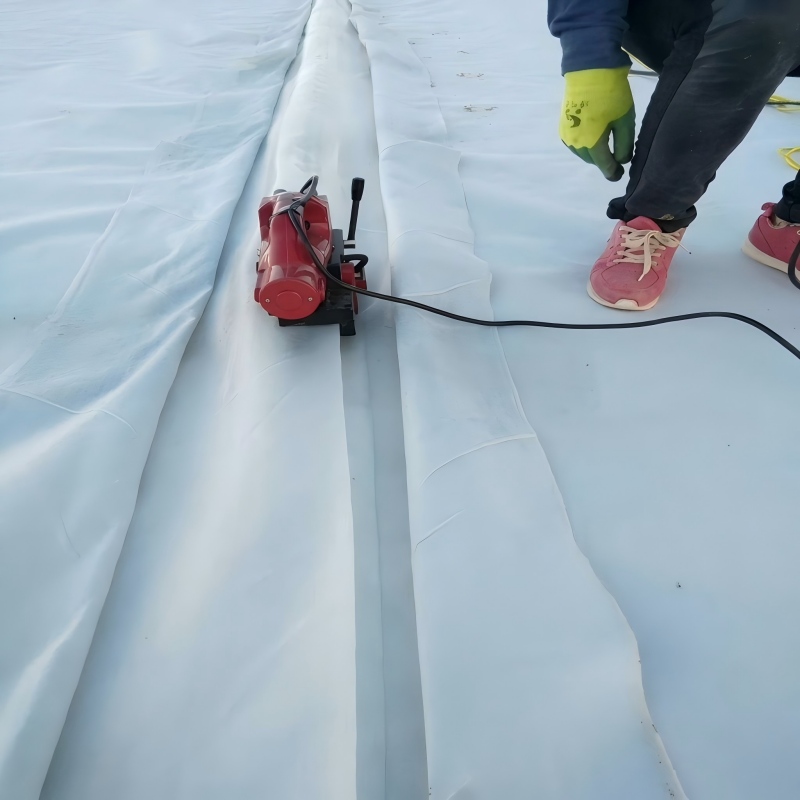
Revestimiento de geomembrana compuesta
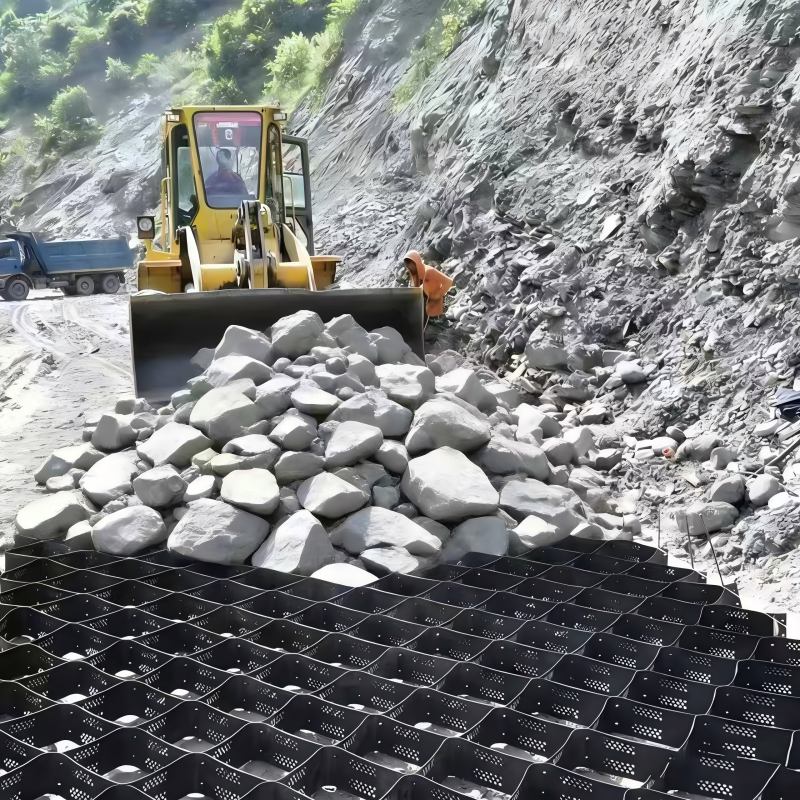
Protección de canales
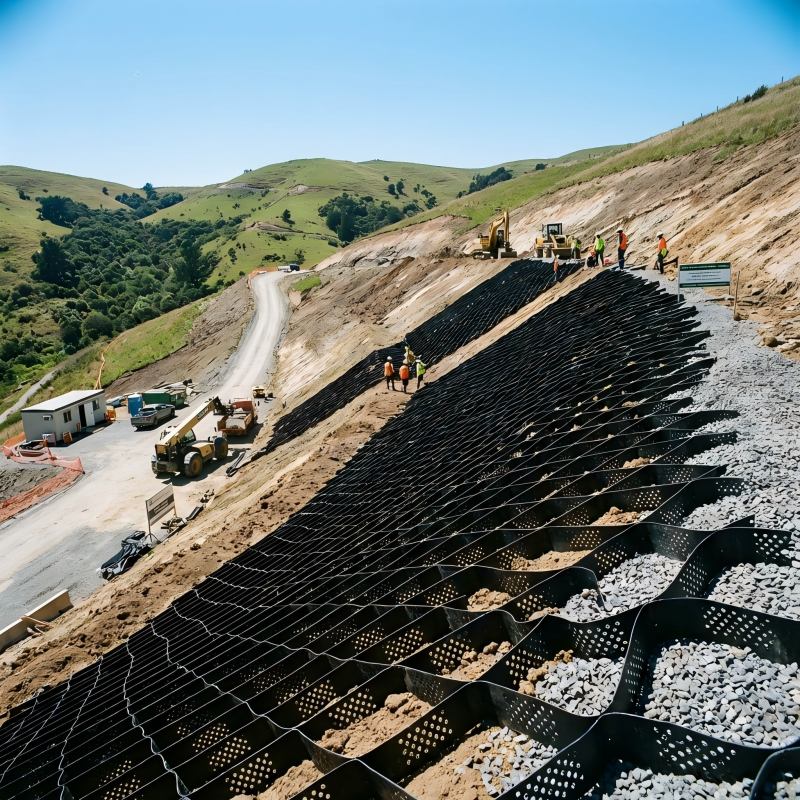
Control de la erosión en taludes
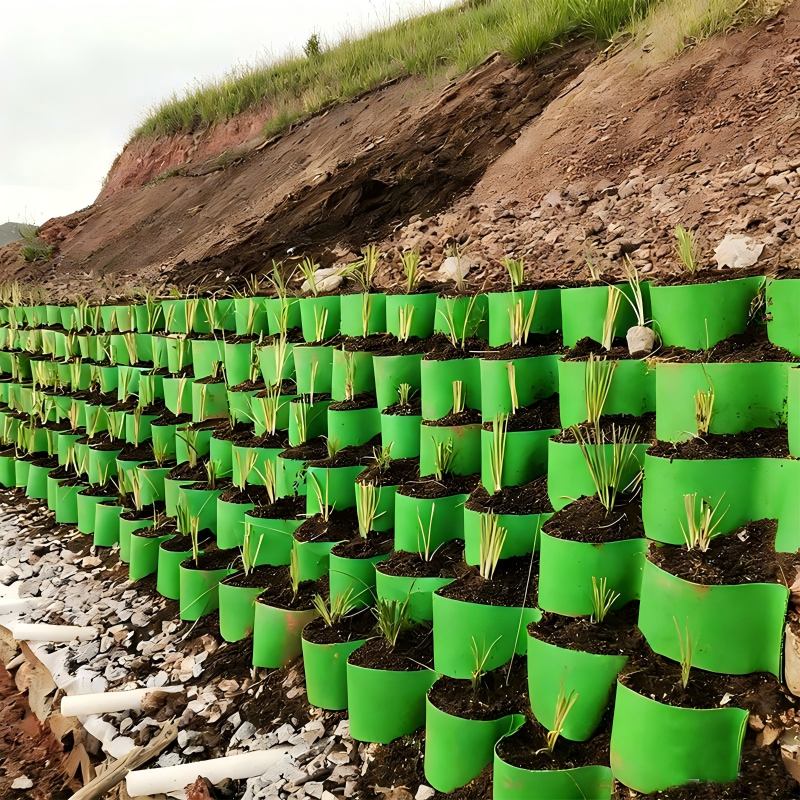
Muros de contención

Más que un fabricante
Su socio de soluciones
Cerramos la brecha entre la eficiencia de la producción directa de fábrica y la experiencia en ingeniería. Ya sea que deba lidiar con regulaciones estrictas o condiciones complejas en el sitio, nuestro equipo le brinda la "Resistencia Oculta" que su proyecto requiere mediante una profunda colaboración técnica.

Colaboración de expertos

Autoridad de Fábricas

Soluciones innovadoras
Obtén un presupuesto