How to Choose a Textured HDPE Geomembrane Manufacturer
-

- 29th Tháng 10 2026

Pick a textured HDPE geomembrane manufacturer by checking a few main things. First, see if their product actually fits your design. Next, make sure their quality papers cover that exact item. Finally, find out if they can meet your rules for shipping and site help. Start by writing down your rules. Then, every quote you get will be for the exact same stuff.
For jobs like landfill slopes or mining pads, the rough surface is just one part of the rules. The dirt or rock next to it, the field seams, and the weather when you put it in also matter. A good supplier check makes these details clear before you talk about money.
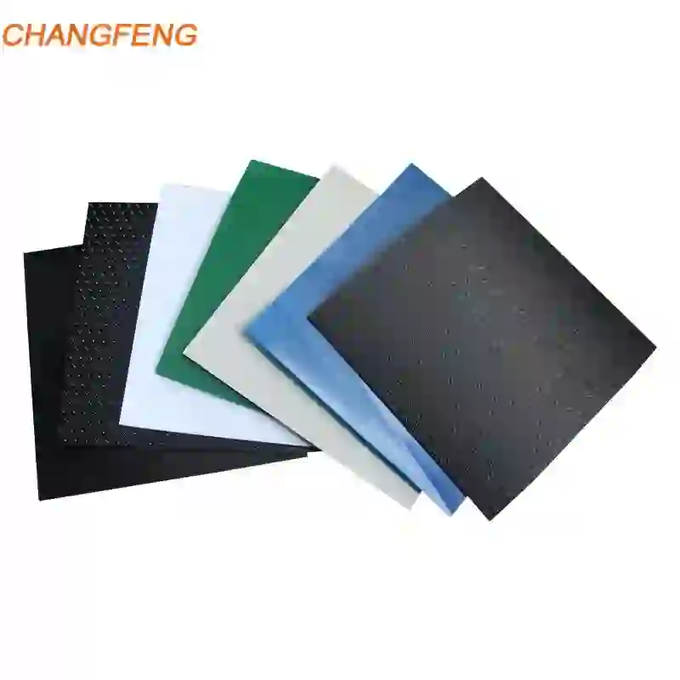
img,hdpe texture.webp
Define the Liner Your Project Needs
Tell the makers what your job is before you ask them for a product. A landfill cover, a leach pad, and a water pond slope all handle different weights. They deal with different weather, too.
Tell them what will go inside. Tell them the normal temperature. Say if the liner will be covered up with dirt or left in the sun. Name the things that will touch both sides. This might be dirt, geotextile, or drainage nets. The project designer must say how thick the sheet needs to be. They must use the project rules to say how well it needs to work based on those details.
If the material selection is still open, review the factors involved in choosing a geomembrane for your project before issuing the RFQ. Mark preliminary requirements clearly so suppliers can distinguish options under review from approved specifications.
Next, talk about the roll shape. A wide roll means less welding on site. But a heavy roll is harder to move around. Make sure you know how big trucks will get into the site. Know what machines you have to lift the heavy rolls. A wide roll must fit your work plan and your money.
Check Texture and Interface Shear Performance
Pick the rough sides based on what needs to grab and hold. A single-sided liner is rough on one side. A double-sided liner is rough on both sides. Your drawing must show which way they go.
When you look at single- and double-sided textured HDPE liners, ask how they make the rough top. Ask how they measure it. Roughness numbers help tell you what the product is. But they do not prove a slope is safe all by themselves.
You need interface shear tests. These tests show how the liner acts when it touches another material. For a slope with dirt on top, this might test the dirt-to-liner touching. The engineer must pick the materials and test rules for your plan.
A test number from a different dirt or cloth might not work for your job. Look at the tested parts. Look at the weight loads. See if your plan needs peak strength or large-movement strength. Make sure the test samples match what the company actually wants to sell you.
If you change the liner surface or the dirt next to it, treat that as a new design step. Even if the new liner is just as thick, you must check how it rubs against other things.
Review Quality Records for the Quoted Product
Ask for papers that name the exact grade you are buying. The papers must explain how they test the parts. Getting the product approved and getting the truck approved need two different sets of proof.
Product Test Data
Ask for a fresh technical data sheet. It must show thickness, strength, and how long it lasts. Every number needs units and a test rule. It must show how they decide if it passes or fails. For rough sheets, ask them how they measure the middle thickness and the tiny bumps on top.
The Geosynthetic Institute has a rule called GRI-GM13. It lists tests, facts, and how often to check for smooth and textured HDPE geomembranes. If your job needs GM13, name the exact version you want. Ask them for test results to prove it. The rule GM17 is for LLDPE. So, if a maker just says they meet both rules, you must ask questions for an HDPE order.
Also, ask for a paper about the plastic and extra stuff mixed in for that exact grade. Strong chemicals or hot weather might mean you need more proof that the sheet works. Normal sheet tests are not always enough.
Batch and Roll Traceability
Agree on factory records that link to your exact batches and rolls. Write down which test papers must come with the truck. Say which special job tests need their own plan. Check that the roll stickers, packing lists, and test reports use the exact same numbers.
An ISO certificate just tells you how the company runs its office. Check if it is real and what it covers. But this is not the same as product test scores. When the truck shows up, the buyer still needs the records the contract asked for.
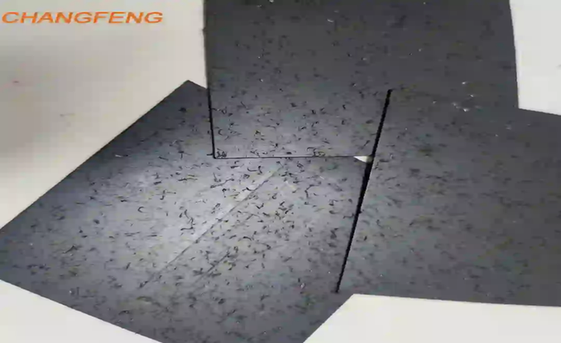
img.ChangFeng textured HDPE Geomembrane.webp
Compare Five Textured HDPE Geomembrane Manufacturers
CHANGFENG, Solmax, BPM Geosynthetics, Shanghai Yingfan, and Shandong Tianren make a good short list. What they say in public gives buyers different details to check. Use the exact same written rules when you talk to each company.
Here is what they show and what proof you should ask for next. Picking them depends on the product they show you and their proof papers.
CHANGFENG: They show single- and double-sided textured HDPE, custom roll sizes, technical data sheets, material test reports, and help with welding over the phone. What to check: Exact grade, plastic mix paper, full test steps, batch records, roll sizes, and exact delivery dates.
Solmax: They show GSE HD with single- and double-textured choices. They have colors and conductive types. They check raw materials, making steps, and final rolls. What to check: Product facts for your area, the exact type you picked, lot records, and how they will bring it and help you.
BPM Geosynthetics: They show single- and double-sided types. They share a chart with thickness, bump height, strength, and life span. They can make custom orders. What to check: The newest technical data sheet, test rules they use, the GM13 version, test proof, and batch reports.
Shanghai Yingfan: They show separate single- and double-sided rough products. You can download technical data sheets. They list roll sizes and custom rules. What to check: New product papers, the top surface type you need, batch scores, and the delivery plan.
Shandong Tianren: They show a specific textured HDPE product. They list standard rules for all their geomembranes. What to check: Papers proving it is HDPE, a full data sheet just for the rough product, surface choices, and roll tracking.
Solmax has special types. This gives buyers a way to talk about standard, colored, or conductive plans. BPM has a good chart to start checking facts. Yingfan splits its rough tops into different products, making it easy to find what you want. Tianren needs you to ask for a specific paper to do the same check.
For CHANGFENG, write down the custom sizes and paper needs in the quote. Use the exact same rules to check every company on your list. If a company skips over a detail in public, ask them about it. Before you look at prices, check for other things. Look at how much the thickness can change. Check how many tests they do. Look at shipping rules and extra help. These small things can change what you are really buying.
Confirm Welding Support and Delivery Details
Put the help plan in writing. Ask who gives welding advice. Ask who does the field work, seam checks, fixes, and final papers. Phone help can guide your workers. But the team putting it in still needs good tools and a trusted checking plan.
Check how they get the seam edges ready. Check if they have smooth edges for the product you picked. The work plan should include practice seams. It should also check real seams under the site’s real weather.
For delivery, split the factory time from the truck time and border checks. Agree on the boxes, roll stickers, and how to unload. Set the exact day you need it. Ask how they will tell you if they swap materials or change how they make it. If they change the grade or roll size, you must check it before they put it on the truck.
What to Include in Your RFQ
A good request for quote (RFQ) gives makers enough facts so they all bid on the exact same things:
The job, the place, what goes inside, and the weather conditions.
The approved thickness, top feel, and what touches it.
The total size, roll size, and weight limits for lifting.
The needed rules, tests, passing grades, and truck papers.
Where it goes, shipping rules, packing, and dates.
Add your drawings. Show what rules still need a final okay. Ask companies to write down any changes or extra services. Fix those differences before you pick a quote.
CHANGFENG for Project-Based Liner Supply
CHANGFENG gives you textured HDPE geomembrane with single- or double-sided rough tops. They can change the roll sizes for you. Their factory background helps when you check them out at the start.
When you order, you can get technical data sheets and material test reports. They can also tell you how to heat-weld the plastic over the phone or online. Make sure you write down the grade, sizes, papers, and help you want. You should agree on the factory dates based on the real amount and rules of your order.
Câu hỏi thường gặp
Q1: How Can I Verify That a Supplier Manufactures Textured HDPE Geomembrane?
A: Check the factory name and city. Ask for proof that they make things. Do a factory walk-through or watch a live video if you can. Find out who makes it, puts the stickers on, and signs the test papers for your order.
Q2: Is a GRI-GM13 Claim Enough to Approve a Manufacturer?
A: No. Ask for the real scores for the product they priced. Ask for the correct version of the rule. Ask for agreed batch records. To know if it fits your job, you must also look at chemical risks, how it goes in, and how it rubs against the dirt.
Q3: Should I Choose Single-Sided or Double-Sided Texture?
A: Follow the design rules for both sides of the liner. Know what touches it. Decide which sides need a rough grip. Make sure the drawings show which way it goes.
Q4: Does a Rougher Surface Always Provide Better Slope Stability?
A: No. Just looking rough does not make a slope safe. Check the rub tests using real dirt and weather. The engineer must look at this to see if the slope will hold.

Nâng cao hiệu suất của năng lượng mặt trời.
Các dự án, giải pháp và nguồn cung năng lượng mới nhất
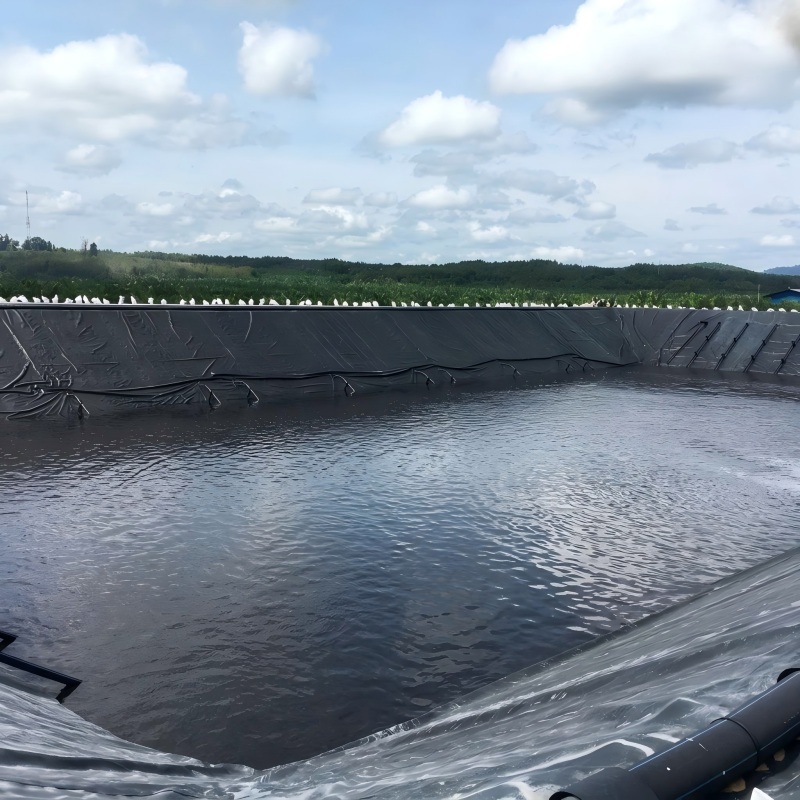
Màng chống thấm HDPE có bề mặt nhám
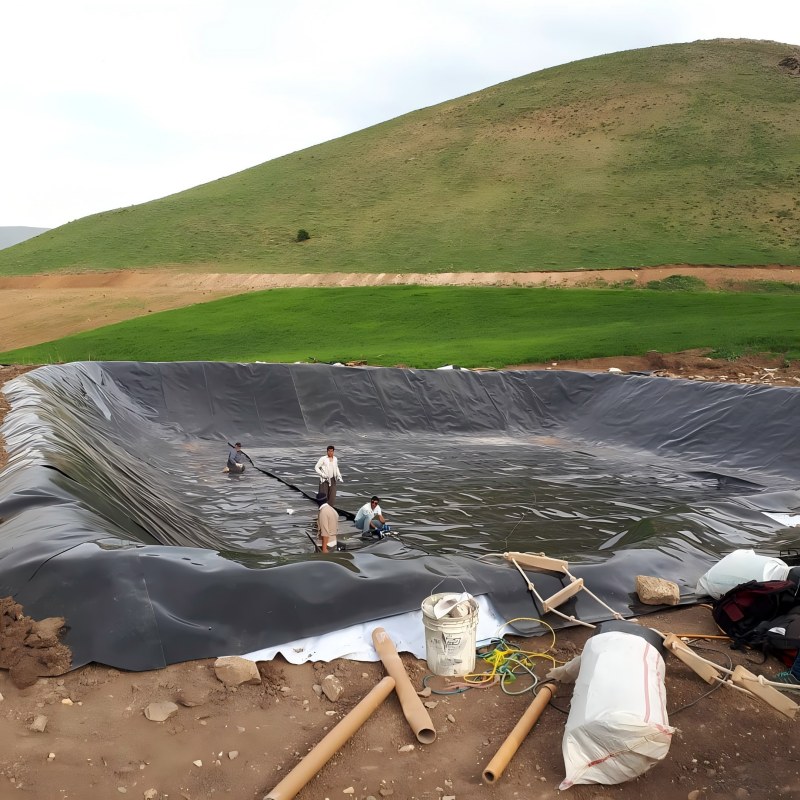
Màng chống thấm HDPE mịn
Màng chống thấm composite
Bảo vệ kênh
Kiểm soát xói mòn cho sườn dốc
Tường chắn đất

Hơn cả một nhà sản xuất
Đối tác giải pháp của bạn
Chúng tôi thu hẹp khoảng cách giữa hiệu quả sản xuất trực tiếp từ nhà máy và chuyên môn kỹ thuật. Cho dù bạn đang phải đối mặt với các quy định nghiêm ngặt hay điều kiện công trường phức tạp, đội ngũ của chúng tôi sẽ mang đến "Sức mạnh vô hình" mà dự án của bạn cần thông qua sự hợp tác kỹ thuật chuyên sâu.

Hợp tác chuyên gia

Cơ quan quản lý nhà máy

Giải pháp sáng tạo
Nhận báo giá