How to Choose Cement Blanket Thickness and Roll Format
-

- 16th Октябрь 2026
A cement blanket arrives as a flexible roll and hardens after it is laid, fixed, and hydrated. For a channel or slope project, thickness is only one part of the specification. Roll width and length determine how many joins the crew will make and whether they can move each roll into position. Start with the site drawing, water conditions, and access plan, then ask the supplier to confirm an available grade and roll format.
What Is a Cement Blanket?
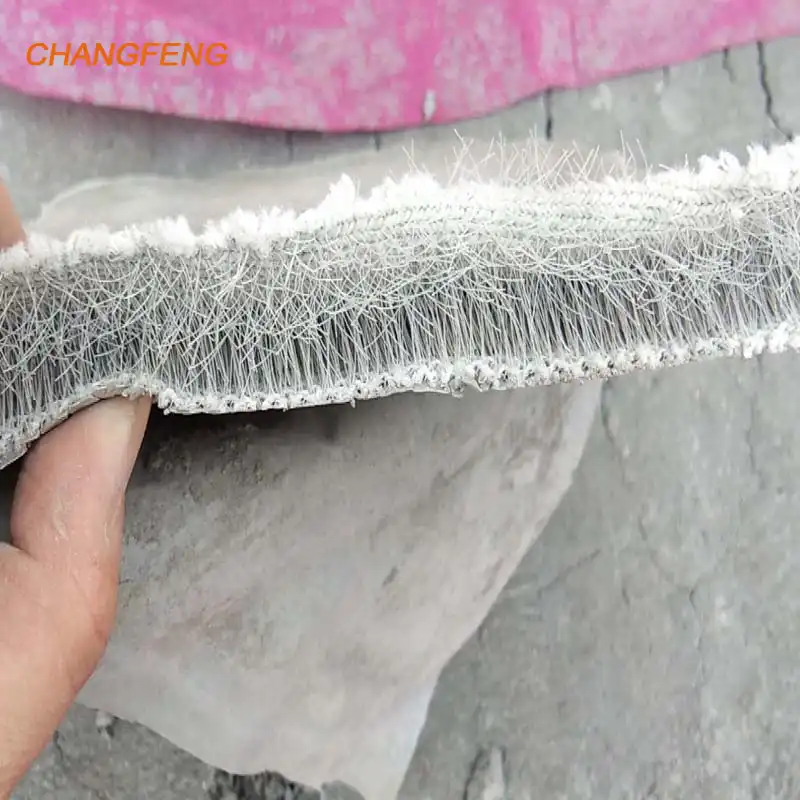
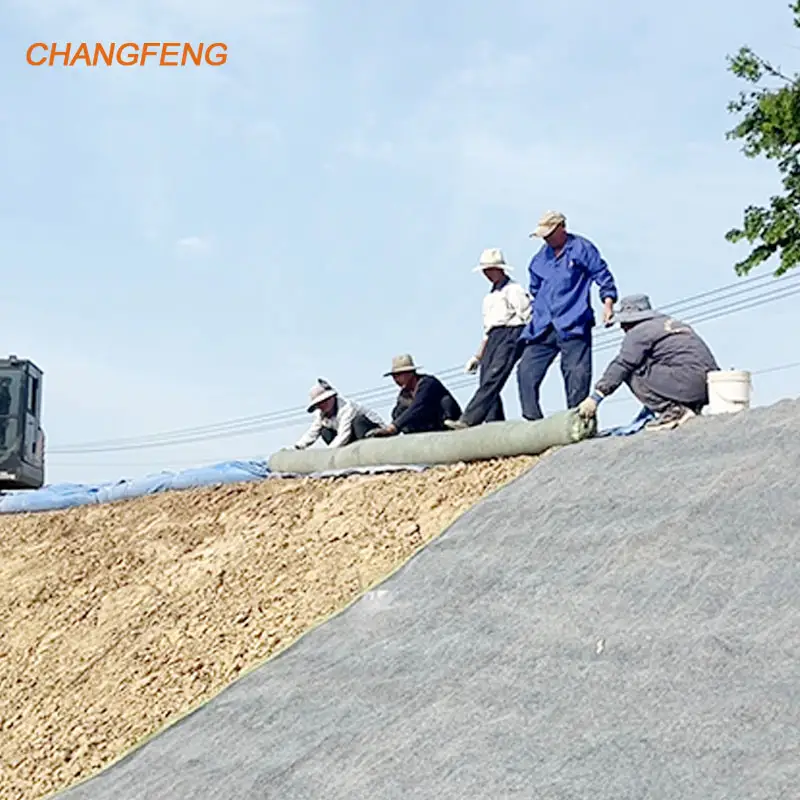
A cement blanket is a geosynthetic cementitious composite mat, often called a GCCM or concrete cloth. A textile structure holds dry cementitious material. The crew places the flexible mat on a prepared surface, secures it, applies water, and allows it to cure into a protective concrete layer.
It is used for drainage channels, ditches, canal edges, and slope protection, including sites where concrete delivery is difficult. Review the cement blanket for channel lining and slope protection for product structure and custom options. An insulated concrete curing blanket is a different product used to cover freshly poured concrete.
What Does Cement Blanket Thickness Affect?
Thickness influences the amount of cementitious material in the mat, its dry mass per square metre, and the layer formed after curing. Products with different thicknesses may also have different strength and handling characteristics. Compare the supplier’s test values for the proposed grades under the same test methods; thickness by itself does not establish erosion or abrasion performance.
For purchasing, dry mass matters immediately. Multiply the stated mass per square metre by the roll’s area to estimate its dry weight. A heavier grade can change the lifting plan, roll length, pallet arrangement, and number of people needed at a remote site. Ask for both nominal thickness and dry mass, along with the cured properties your design requires.
How to Choose the Right Cement Blanket Thickness
Select a grade against the finished lining’s duty and installation conditions. CHANGFENG specifies thickness by project; request a proposed grade and its test data.
Match the Grade to the Application
For a garden drain or lightly loaded surface, describe the expected runoff and how the area will be maintained. Agricultural channels and field ditches need a clearer picture of water depth, flow pattern, and possible scour at bends or outlets. Roadside repairs may also face concentrated runoff and access by maintenance crews. On a slope, assess the slope length and angle, surface water paths, and where the blanket will be anchored.
A thicker grade may be proposed for a more demanding duty, but ask what measured property justifies it. Hydraulic conditions, abrasion, and any traffic or maintenance loads should appear in the engineer’s specification. A cement blanket used as surface protection should not be assumed to provide the waterproofing required of a containment liner without a suitable backing, joint detail, and verified system design.
Check Flow, Slope, and Subgrade
State whether water exposure is occasional runoff, regular channel flow, or prolonged immersion. Identify points where water enters, changes direction, or can get beneath an exposed edge. These details affect grade selection and the design of overlaps and terminations.
Describe the base and note stones, voids, settlement, and changes in profile. The designer can then specify preparation, cushioning, or local repairs. A stronger grade cannot correct a poorly prepared base or an unsecured edge.
How to Choose Roll Width
Size the width from the full developed cross-section, measured along the surface that the blanket will cover. For a trapezoidal ditch, include the bottom width and both side slopes, then allow for the designed anchor and overlap details. A plan-view width alone will understate the material needed on the sides.
A wider roll can span more of the section with fewer longitudinal joins. The crew must still be able to unload, lift, unroll, and align it. Narrower rolls are easier to position around bends and irregular repairs but create more joints and fixing work. They can also suit sites where the crew has no lifting equipment. Share a dimensioned cross-section, bends, access restrictions, and available lifting equipment before choosing the width.
Confirm usable width after overlaps and edge treatment, manufacturing tolerance, and roll weight for the selected grade.
How to Choose Roll Length
Long rolls can reduce end joins on a straight channel. Shorter rolls can be practical for bends, isolated repairs, narrow access routes, or crews that lack lifting equipment. Roll length should follow the installation sequence as well as the total area.
Check the maximum dry roll weight before settling on a length. As a planning calculation, a 2 m by 25 m roll covers 50 m² before overlaps and cutouts. At a hypothetical dry mass of 10 kg/m², that roll would weigh about 500 kg before its core and packaging. Use the actual quoted mass and dimensions for lifting and freight decisions; the example does not describe a CHANGFENG product.
Confirm how many rolls the crew can install and hydrate during each working window.
Compare Published Roll Specifications
Published dimensions are useful as a starting point, but each figure applies to the named product and grade. The table compares CHANGFENG’s project-based supply options with two publicly listed bulk-roll configurations from the Concrete Canvas CCX product range. It does not rank hydraulic or mechanical performance; those properties need to be checked against test reports for the proposed grades.
| Supplier / product | Thickness information | Published roll format | Published dry mass | What to confirm for your project |
| CHANGFENG cement blanket | Set by project; confirm the proposed grade and test data in the quotation | Width and length can be specified for project orders; edge treatment and packing can also be arranged | Request the quoted value for the selected grade | Confirm the available configuration, roll weight, test requirements, labels, and packing before production |
| Concrete Canvas CCX-U | GCCM Type II; confirm product-specific thickness and performance data with the supplier | 1.95 m × 50 m; 97.5 m² per roll | 13.5–15.5 kg/m² | Check whether the listed bulk-roll format fits site access, handling equipment, and the installation sequence |
| Concrete Canvas CCX-M | GCCM Type II; confirm product-specific thickness and performance data with the supplier | 1.9 m × 50 m; 95 m² per roll | 14.0–15.5 kg/m² | Check the proposed grade and roll format against the project’s design and handling limits |
The competitor’s product lists these bulk-roll formats. CHANGFENG’s documented advantage is project-level flexibility: buyers can specify thickness, width, length, edge treatment, and packing, then request samples and shipment records. Ask for a written roll schedule with the actual mass per square metre and test results;
How Roll Format Affects Packing and Delivery
Roll format determines how the shipment is handled from factory to work face. Ask whether rolls will be individually wrapped, palletized, or grouped into project bundles, and match the arrangement to the unloading equipment on site. Protective wrapping matters because the dry cementitious material must reach installation in suitable condition.
Labels should identify grade, width, length, batch, and project reference. Agree on these fields before production, particularly when the site receives several grades or roll sizes. Request packing photographs and loading records for shipment checks.
How to Estimate Coverage and Roll Quantity
Calculate the developed area of each surface first. For a straight, constant channel section, multiply the covered cross-section length by the channel length. Measure bends, transitions, and repair patches separately. Add the material specified for overlaps, anchor trenches, edge returns, and cutouts.
Divide the required material area by the gross area per roll, adjusted for the laying pattern. Round up to whole rolls and allow for project-approved waste at cuts and irregular edges.
Send the cross-section and layout for a roll schedule. The canal lining project example illustrates placement around an irregular canal profile. Your own dimensions should guide the specification.
Installation Details That Affect the Specification
Roll dimensions are only useful if the proposed installation method fits the site. Agree on base cleaning and grading, placement direction, overlap orientation, anchors, edge trenches, and details at outlets or penetrations. Flowing water should be kept out of the work area as required by the installation plan while the material is placed and cured.
Follow the selected product’s hydration instructions. Confirm water quantity, full mat wetting, and curing time. Check upstream edges for paths that could let flowing water reach the underside; this affects roll orientation and joint placement.
What to Include in a Cement Blanket RFQ
Send a drawing or site photos with the application, channel or slope dimensions, total length, and proposed coverage area. State the flow conditions, slope angle, subgrade, access route, and any expected maintenance loads. If thickness is already specified, include the grade and required test methods; otherwise, ask the supplier to propose a grade with supporting data.
Give the preferred roll width and length, handling equipment, maximum acceptable roll weight, edge treatment, packing, label fields, destination, and delivery date. For a coordinated supply review, the erosion and sediment control materials page shows the related product category. A quotation can then identify the proposed roll schedule and any assumptions that still need design approval.
Работа с Чанфэном
CHANGFENG supplies cement blanket for channels, ditches, slopes, and agricultural drainage work. Project orders can specify thickness, roll width and length, edge treatment, and packing. The company can arrange samples, roll labels, batch information, packing photos, and loading records; special test requirements should be agreed before production.
Send the application, cross-section, water conditions, required area, preferred roll format, and destination when you request a cement blanket quotation. Those details let the team confirm an available configuration and prepare a shipment plan.
Часто задаваемые вопросы
Q1: What thickness of cement blanket should I choose?
A: Provide the flow conditions, slope, subgrade, loads, and required service duty. Ask the supplier for an available grade and test data against the project’s acceptance criteria. Do not select by nominal thickness alone.
Q2: How wide should a cement blanket roll be?
A: Use the developed channel or slope cross-section, including the designed edge and overlap allowances. Check the resulting roll weight and whether the crew can place that width safely.
Q3: Can cement blanket roll length be customized?
A: CHANGFENG offers project-based roll lengths. Confirm availability for the selected grade and check unloading, storage, lifting, and placement before approving the length.
Q4: How much overlap is needed between cement blanket rolls?
A: Follow the selected product’s installation instructions and the project joint design. Flow direction, slope, anchor pattern, and edge detail affect the overlap. Confirm the dimension before calculating material quantity.
Q5: What information is needed for a cement blanket quotation?
A: Send the application, drawings, thickness or required performance, area, preferred width and length, site access, packing needs, destination, and schedule. Include water and subgrade conditions so the supplier can review the proposed grade and roll format.

Повышение эффективности использования солнечной энергии.
Новейшие проекты, решения и энергоснабжение
Текстурированная геомембрана из полиэтилена высокой плотности (HDPE)
Гладкая геомембрана из полиэтилена высокой плотности (HDPE)
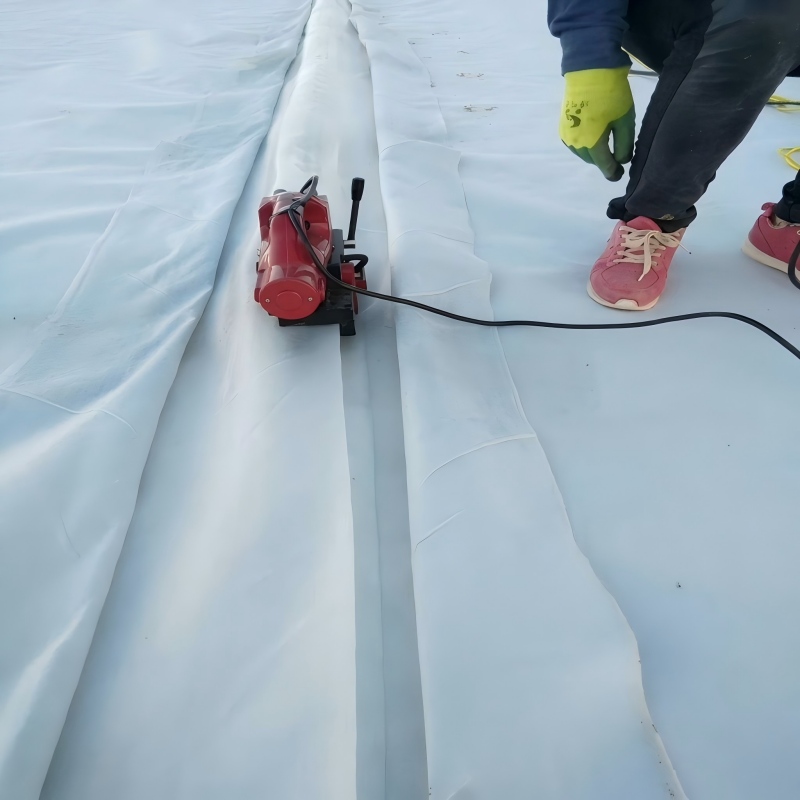
Композитная геомембранная облицовка
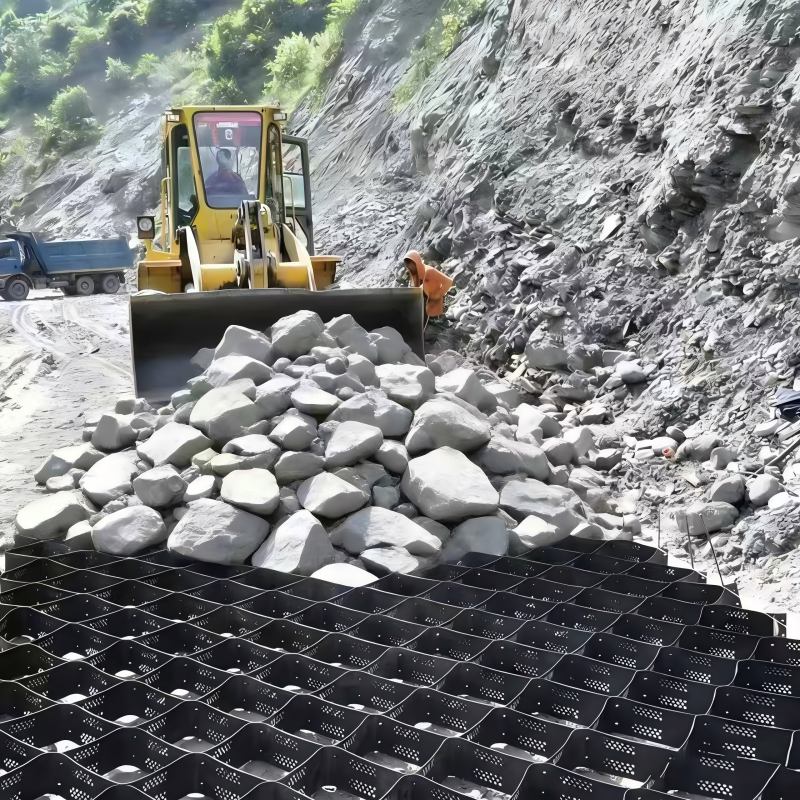
Защита канала
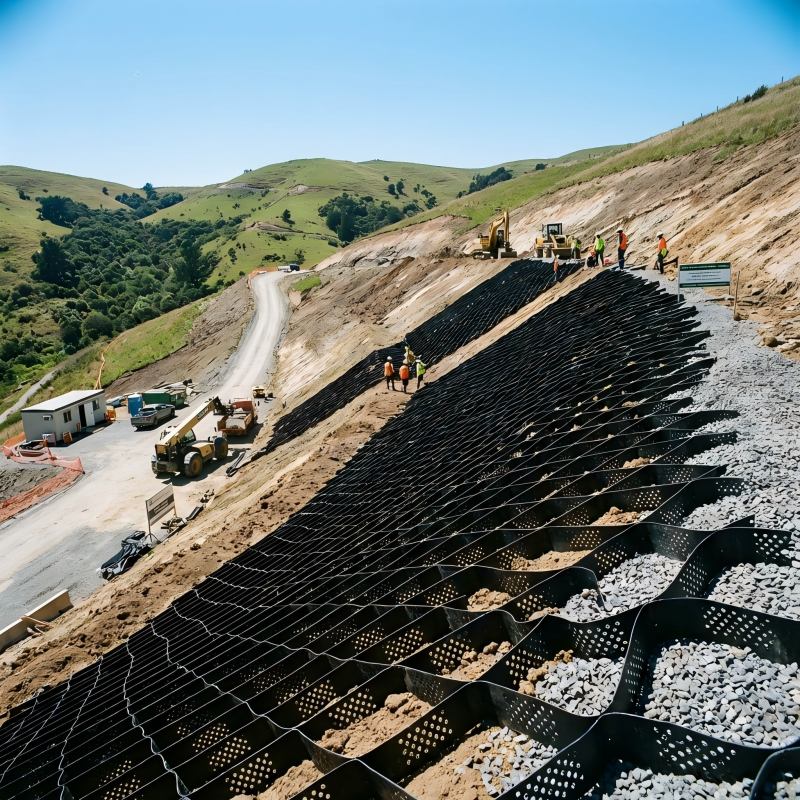
Борьба с эрозией склонов
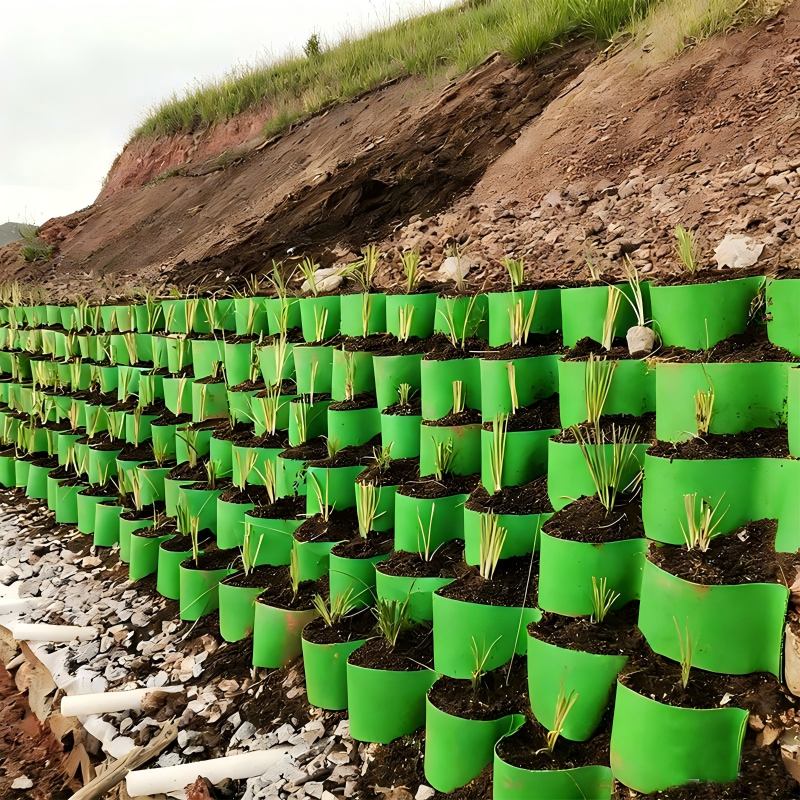
Подпорные стены

Больше, чем просто производитель
Ваш партнер по решениям
Мы устраняем разрыв между эффективностью заводских поставок и инженерной экспертизой. Независимо от того, сталкиваетесь ли вы со строгими нормативными требованиями или сложными условиями на строительной площадке, наша команда обеспечит вашему проекту «невидимую силу» благодаря тесному техническому сотрудничеству.

Сотрудничество экспертов

Фабричное управление

Инновационные решения
Получить ценовое предложение