How to choose the best geomembrane for your project
-

- 9th 10월 2026
Choosing a geomembrane starts with the site, not a price list. The contained liquid, slope, subgrade, loading, exposure, and installation method all affect the liner specification. A suitable product can then be selected by comparing surface finish, membrane structure, thickness, and required test records.
This guide compares smooth HDPE, textured HDPE, and composite geomembranes. It also lists the information a buyer should include in a request for quotation.
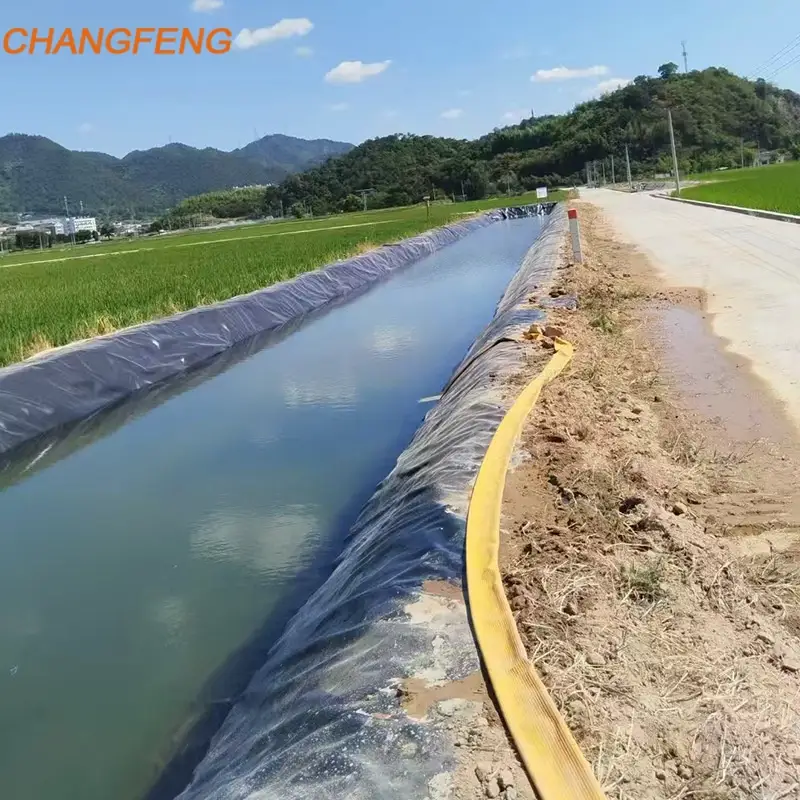
Start with the site conditions
Before requesting prices, record the conditions that will affect liner performance:
- What will the liner contain: clean water, wastewater, leachate, slurry, process liquid, or another material?
- Is the liner installed on a flat floor, a moderate slope, or a steep side slope?
- Is the base compacted soil, concrete, rock, or an irregular surface with puncture risks?
- What hydrostatic head, cover soil, waste, ore, equipment traffic, or settlement should the system handle?
- Will the membrane remain exposed to sunlight and temperature changes, or will it be covered?
- How will panels be deployed, welded, inspected, and protected during construction?
- Which standards, test methods, submittals, and traceability records does the contract require?
These answers help the supplier quote a product that fits the project.
Choose the membrane structure
Smooth HDPE for flatter containment areas
에이 smooth HDPE geomembrane liner provides a flat surface and a continuous barrier. It is commonly used in reservoir floors, wastewater ponds, landfill bases, leachate collection areas, industrial ponds, and aquaculture facilities.
The smooth surface can help with hydraulic flow and cleaning where sediment must be removed. Material options include HDPE, LDPE, and LLDPE. Smooth configurations commonly cover nominal thicknesses from 0.75 to 2.0 mm, with standard roll widths of 6 to 8 m and project-specific dimensions.
Smooth material suits relatively flat areas where interface friction is not the main design issue. Sloped sections still need a stability check, especially when drainage layers, soil, or other geosynthetics will sit above the membrane.
Textured HDPE for slopes
에이 textured HDPE geomembrane for steep slopes has a rough surface on one or both sides. The texture increases friction between the liner and adjacent soil or geosynthetic layers. This makes it useful for landfill sidewalls and caps, mining leach pads, tailings facilities, dam facings, and sloped containment systems.
Choose single-sided or double-sided texture according to the layers touching each face. A single-sided product can provide friction at one interface while keeping the other face smooth. A double-sided product provides textured contact on both faces.
Texture alone does not establish slope safety. The design should consider slope angle, normal load, drainage, interface materials, and expected movement. Interface shear testing may be needed for the proposed layer combination.
Composite geomembrane where protection is needed
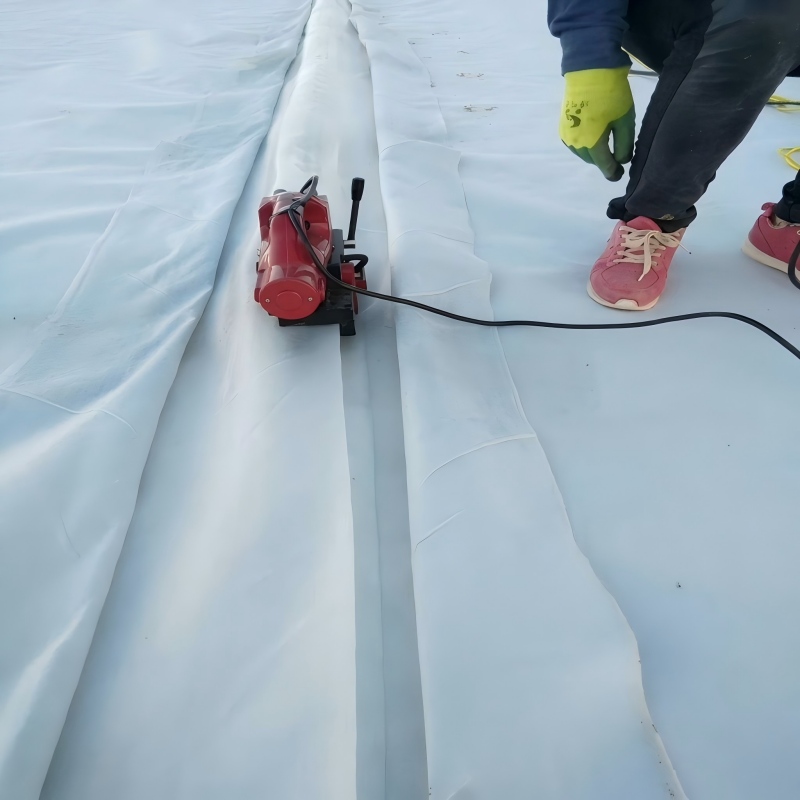
에이 geotextile-backed composite geomembrane combines a PE membrane with one or two geotextile layers. Typical structures include one geotextile bonded to one membrane or a membrane placed between two geotextiles.
The geotextile can protect the barrier and provide separation where the base is irregular or construction damage is a concern. Common uses include canals, reservoirs, wastewater facilities, landfill systems, mining sites, road projects, agricultural storage, and remediation work.
Composite configurations can range from 400 to 1,500 g/m² in reference weight, with intermediate film thicknesses from 0.2 to 1.0 mm. Specifications may also cover break strength, elongation, CBR burst strength, tear resistance, peel strength, and hydrostatic pressure. The quotation should state the geotextile type, number of layers, total unit weight, film thickness, roll size, and required tests.
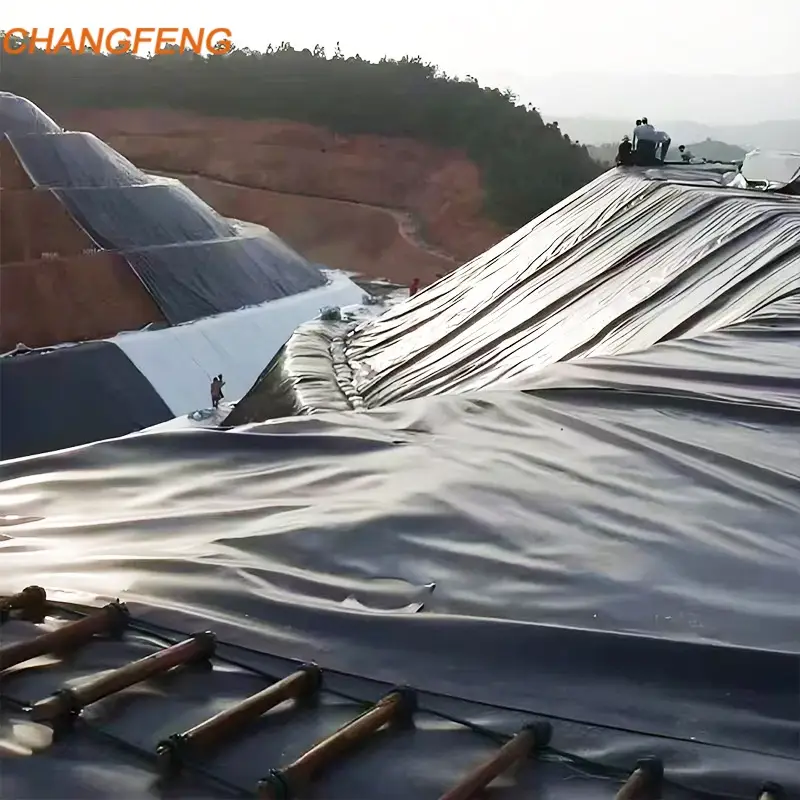
Select the thickness
Thickness affects puncture resistance, handling, welding, material use, and cost. It should be selected from the project design. Review:
- Liquid depth and hydrostatic pressure.
- Cover soil, waste, ore, machinery, and settlement.
- Subgrade quality and the need for cushion layers.
- Chemical compatibility and temperature exposure.
- Panel size, welding conditions, corners, penetrations, and site access.
- Contract or regulatory minimums.
Ask the supplier to distinguish nominal thickness, minimum measured thickness, and manufacturing tolerance. Confirm which values appear in routine quality records and which require project-specific testing.
Compare the three options
| Selection factor | Smooth HDPE | Textured HDPE | 복합 지오멤브레인 |
| Typical terrain | Flat floors and moderate geometry | Slopes and high-friction interfaces | Irregular or protection-sensitive bases |
| Main reason to select it | Smooth continuous barrier | Higher interface friction | Barrier with attached protection |
| Main design checks | Compatibility, pressure, seams | Interface shear and slope stability | Unit weight, film thickness, bonding, puncture protection |
| Common applications | Ponds, reservoirs, wastewater, landfill bases | Landfill slopes, mining pads, dam facings | Canals, water projects, remediation, civil works |
The geomembrane types for engineering projects should be compared as part of the full lining system. Drainage layers, geotextile cushions, cover materials, anchors, penetrations, and field seams can change the required specification.
Review installation and quality records
Agree on subgrade acceptance before shipment. The project team should define compaction, surface smoothness, moisture condition, removal of sharp objects, anchor trenches, deployment direction, weather limits, and welding sequence.
For field seams, confirm the welding method, trial seams, production seam tests, repair process, and inspection records. The quality package may include:
- Technical data sheet and agreed specification
- Samples and test records
- Roll labels and batch identification
- Roll list, packing details, and loading photos
- Export documents
- Installation or welding guidance when included in the supply scope
Smooth and textured products need their own physical, mechanical, durability, and dimensional tests. Composite products may also require unit weight, film thickness, CBR, tear, peel, and hydrostatic pressure results.
Prepare a useful RFQ
Include the application and location, contained medium, proposed polymer, surface finish, thickness or composite weight, total area, slope angles, subgrade, cover layer, roll width and length limits, color, test standards, packing requirements, destination port, shipping terms, and delivery date.
When the design is still developing, mark undecided values clearly. This lets the supplier quote workable options without treating preliminary assumptions as final requirements.
Working with CHANGFENG
CHANGFENG supplies smooth, textured, and composite geomembranes for water containment, waste management, mining, civil works, agriculture, and environmental projects. Orders can include specification confirmation, samples, test records, roll labels, batch information, export packing, and loading documentation. OEM and ODM options can cover roll dimensions, product structure, color, labels, and packing.
The company has more than 15 production lines and ISO 9001, ISO 14001, and ISO 45001 management system certifications. Buyers can submit the application, site conditions, dimensions, quantity, test requirements, and destination for a project quotation.
자주 묻는 질문
Q1: Which geomembrane is best for water containment?
Smooth HDPE is often used for reservoir floors, ponds, and irrigation storage. Textured HDPE may be needed on slopes with higher friction requirements. Composite geomembrane can suit a base that needs an attached geotextile layer. Water depth, slope, subgrade, exposure, and specifications decide the final choice.
Q2: When does a project require textured geomembrane?
Textured geomembrane is considered when interface shear and slope stability control the design. Common locations include landfill sidewalls, mining pads, and dam facings. The proposed soil and geosynthetic interfaces should be checked through stability analysis and, where needed, testing.
Q3: Does a thicker geomembrane always perform better?
No single thickness guarantees performance. Polymer compatibility, subgrade preparation, puncture protection, welding, interface stability, and inspection also matter. Select thickness from the project loads and applicable requirements.
Q4: What information is needed for a geomembrane quotation?
Send the application, material, structure, thickness or composite weight, roll dimensions, area, slope, subgrade, contained medium, color, required tests, packing instructions, destination port, and delivery schedule.
Q5: What documents should a supplier provide?
The required package may include a technical data sheet, agreed specification, samples, test records, roll and batch labels, packing list, loading photos, and export documents. The contract should define which records are needed for approval and delivery acceptance.

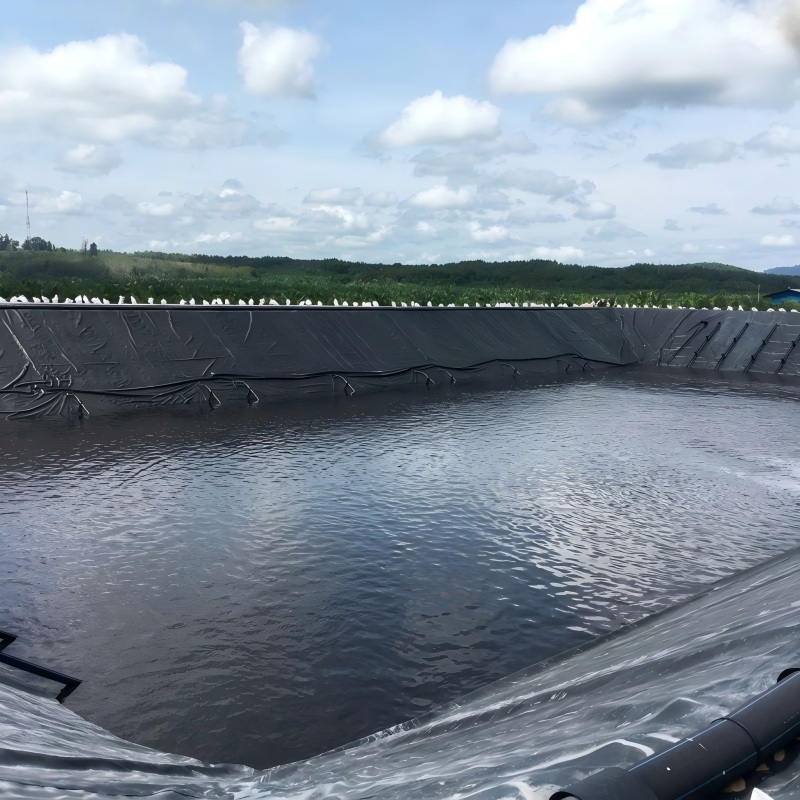
질감이 있는 HDPE 지오멤브레인
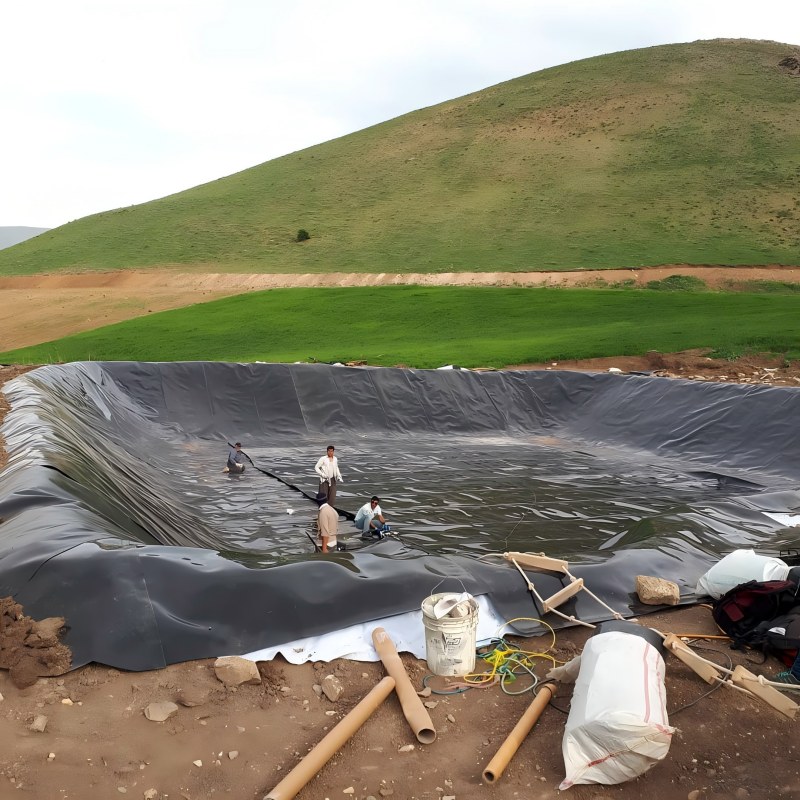
매끄러운 지오멤브레인 HDPE 라이너
복합 지오멤브레인 라이너

단순한 제조업체 그 이상
귀사의 솔루션 파트너
저희는 공장 직송의 효율성과 엔지니어링 전문성을 결합하여 최고의 결과를 제공합니다. 엄격한 규정이나 복잡한 현장 조건에 직면하더라도, 저희 팀은 심도 있는 기술 협력을 통해 프로젝트에 필요한 '숨겨진 강점'을 제공합니다.

전문가 협업

공장 관리국

혁신적인 솔루션
견적 받기