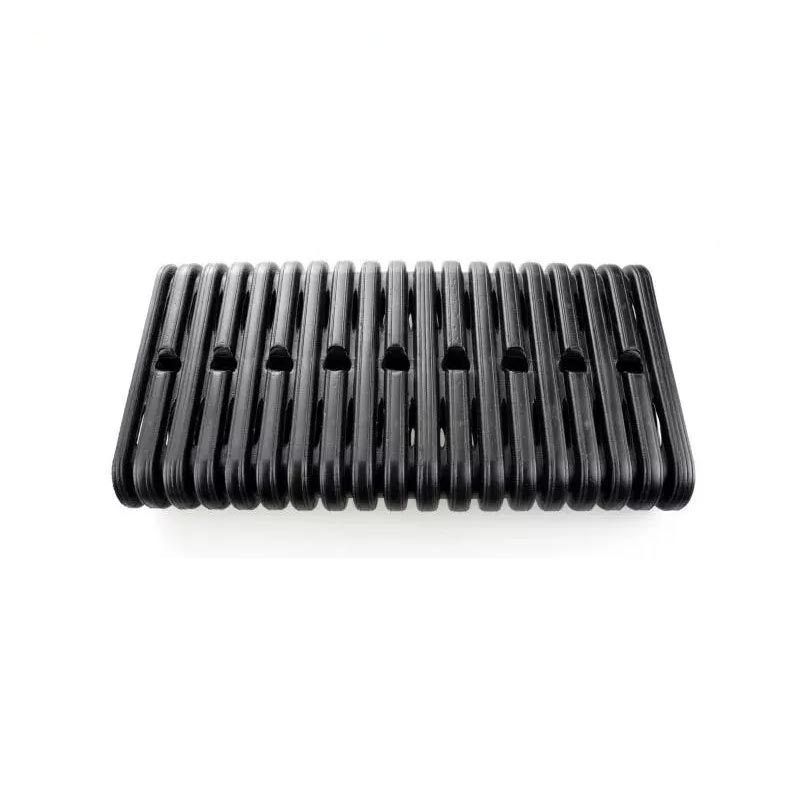
HDPE Corrugated Drainage Pipe
- High-Efficiency Water Collection: The wide, flat structure provides a large contact area for efficient groundwater collection and drainage.
- Strong Compression Resistance: The corrugated HDPE core provides good structural strength and resists deformation under soil pressure.
- Integrated Geotextile Filtration: The nonwoven geotextile filters soil particles while allowing water to enter the drainage channels.
- Lightweight & Easy Installation: Supplied in rolls, the pipe is easy to transport, cut and install, reducing labor and installation time.
- Reduced Excavation & Backfill : Its flat profile allows shallow installation, helping reduce excavation work and backfill materials.
- Durable HDPE Material: HDPE offers good resistance to corrosion, moisture and soil chemicals for long-term underground drainage.
What Is HDPE Corrugated Drainage Pipe?
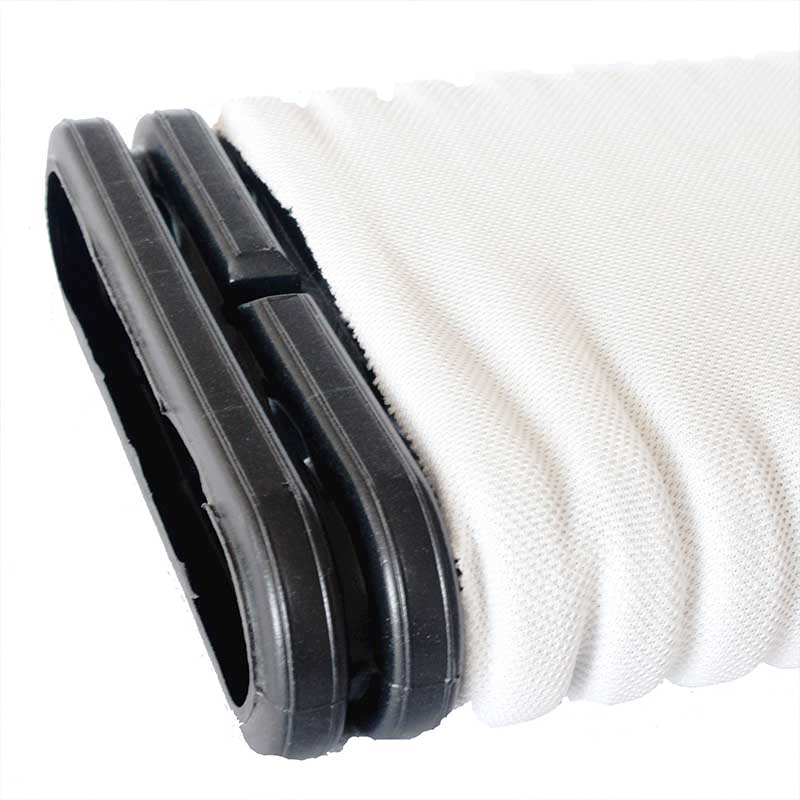
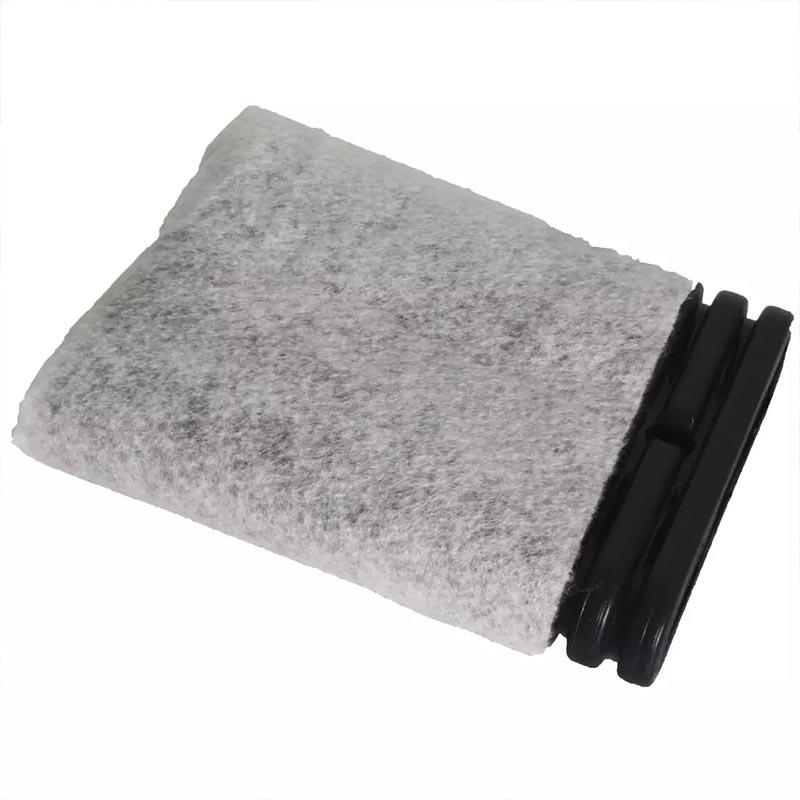
HDPE Corrugated Drainage Pipe is a composite subsurface drainage product made from a high-density polyethylene (HDPE) drainage core and a nonwoven geotextile filter layer.
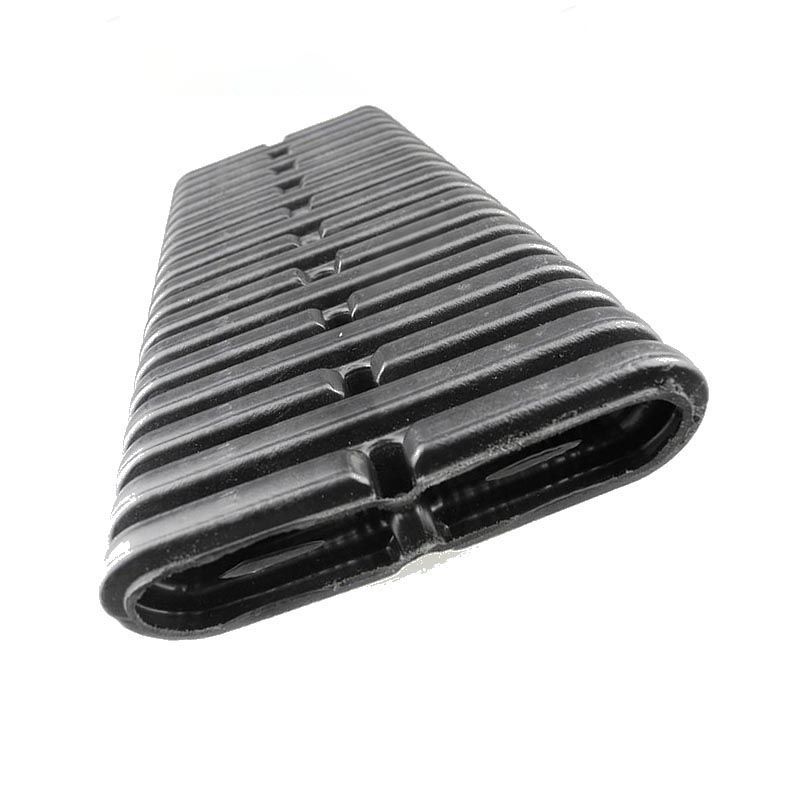
Unlike traditional round drainage pipes, its flat corrugated design provides a wider water collection surface. The specially designed grooves and internal drainage channels allow groundwater to enter and flow efficiently toward the drainage outlet.
The corrugated structure also improves overall rigidity and resistance to compression, helping the drainage system maintain its shape under soil pressure.
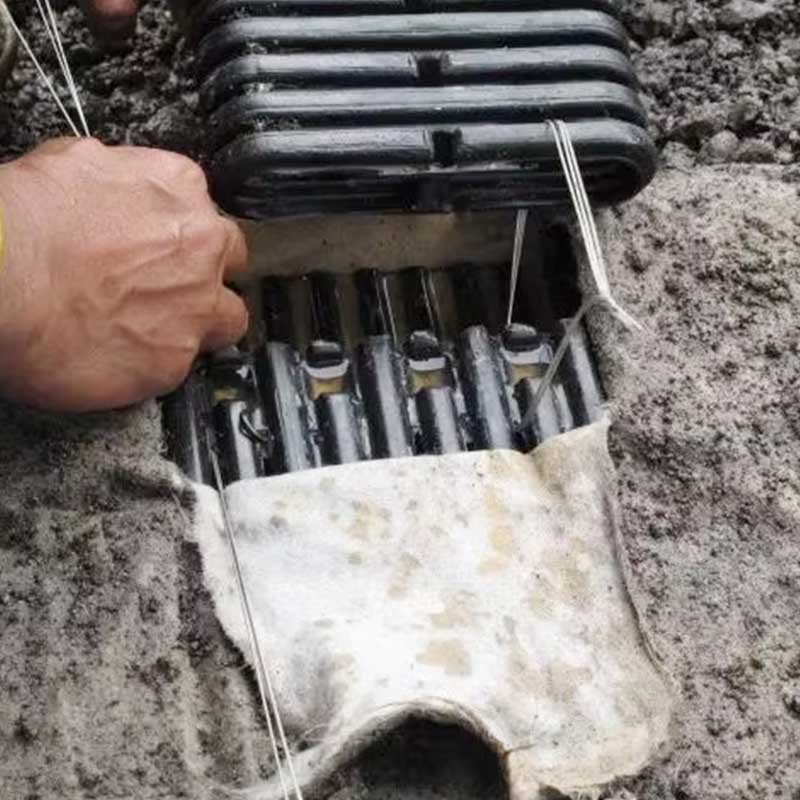
A nonwoven geotextile layer wraps around the drainage core, filtering soil particles while allowing water to pass through. This combination of drainage and filtration makes it suitable for projects where effective groundwater management and long-term drainage performance are required.
Produktmerkmale und Vorteile
1. Water Collection with High Efficiency
The drainage pipe’s contact area with the surrounding soil is increased by the wide, flat structure. It is appropriate for large-area drainage systems because it captures seepage and groundwater more efficiently than traditional small-diameter drainage pipes.
2. Robust Resistance to Compression
Under external pressure, the corrugated HDPE core is intended to sustain drainage channels and offer structural support. Its reinforced profile aids in preventing deformation brought on by construction loads and the surrounding soil.
3. Geotextile Filtration Integrated
The drainage core is surrounded by a layer of nonwoven geotextile that serves as a filter. It lessens the possibility of blockage by allowing water to enter the drainage channels while preventing dirt particles from doing so.
4. Lightweight and Simple to Install
The flat drainage pipe is provided in rolls and is lighter than traditional aggregate-filled drainage systems. Because it is simple to transport, cut, and lay, installation time and manpower needs are decreased.
5. Less Backfill and Excavation
Depending on the project design, its flat profile enables the drainage system to be built with a comparatively small excavation depth. As a result, less excavation work and backfill material may be needed.
6. Sturdy HDPE Material
The drainage core’s high-density polyethylene construction provides good resistance to corrosion, soil chemicals, and moisture. When installed and designed correctly, it can be used for long-term subsurface drainage applications.
Produktparametertabelle
| tem | Specification |
|---|---|
| Produktname | HDPE Corrugated Drainage Pipe |
| Model | TUBE X158 |
| Raw Material | High-Density Polyethylene (HDPE) |
| Struktur | Flat Corrugated Drainage Core |
| Pipe Width | 158 mm |
| Pipe Height | 42 mm |
| Standard Roll Length | 100 m/roll |
| Slot Size | 3.0 × 25 mm |
| Filter Material | Needle-Punched Nonwoven Geotextile |
| Horizontal Compressive Strength | >200 kPa (reference specification) |
| Vertical Stiffness | >1000 kN/m² (reference specification) |
| Farbe | Black |
| Anpassung | Verfügbar |
Note: The above specifications are based on the reference TUBE X158 product information. Final technical values, test methods and tolerances should be confirmed against CHANGFENG’s actual production specifications and test reports.
Anwendungsszenarien
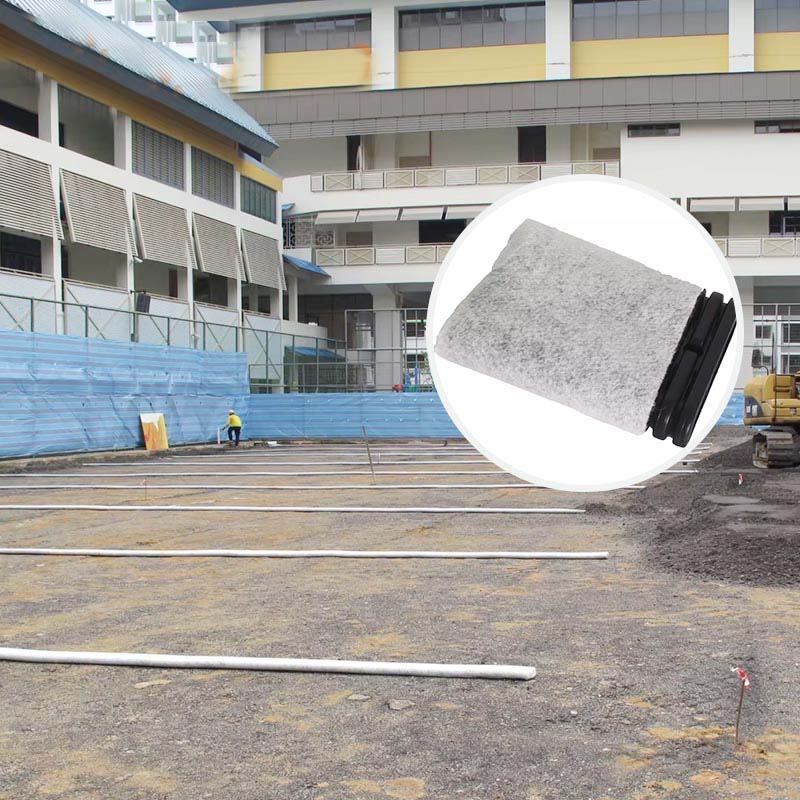
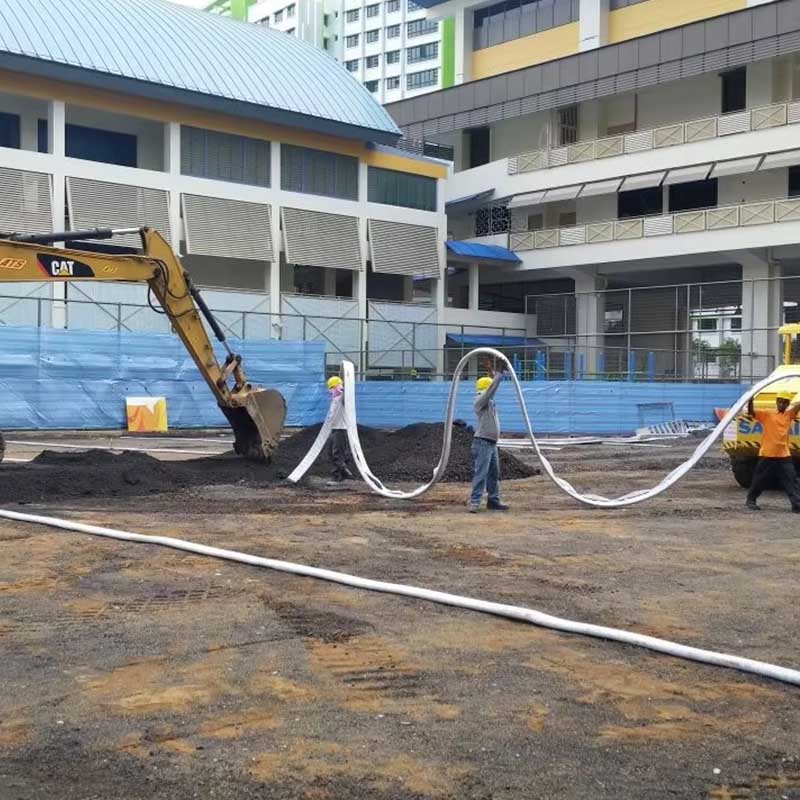
1. Sports Fields and Football Pitches
Efficient subsurface drainage is essential for maintaining dry and stable sports surfaces. HDPE Corrugated Drainage Pipe collects excess groundwater beneath natural grass and artificial turf, helping reduce water accumulation and improve field usability after rainfall.
2. Golf Courses and Landscape Drainage
Golf courses and landscaped areas require reliable underground drainage to maintain suitable soil moisture conditions. The flat drainage structure collects excess water from large ground areas and directs it toward designated drainage outlets.
3. Road and Railway Subgrade Drainage
Groundwater accumulation can weaken road and railway subgrades. Installing HDPE corrugated drainage pipes helps collect and discharge seepage water, reducing water-related damage and supporting long-term subgrade stability.
4. Slope and Retaining Wall Drainage
Water pressure behind retaining walls and within slopes can affect structural stability. The drainage pipe collects seepage water and provides a designated flow path, helping reduce water accumulation in the surrounding soil.
5. Airport and Infrastructure Drainage
Large infrastructure projects require efficient subsurface water management. HDPE corrugated drainage systems can be incorporated into suitable drainage designs for airports, roads, parking areas and other civil engineering facilities.
6. Agricultural and Underground Drainage
In agricultural and green spaces, excess groundwater can affect soil conditions and plant growth. Subsurface drainage pipes help remove surplus water and improve overall drainage conditions.
Qualitätskontrolle
We inspect the raw materials used throughout the entire manufacturing process, and also evaluate the final product. Every individual production batch is examined to verify that it meets the quality standards established by the customer and has achieved a high level of performance.
Verpackung und Lieferung
To ensure that our HDPE Corrugated Drainage Pipes are not damaged during transport, we individually pack each pipe by wrapping it into a roll. We provide our customers with options for packaging as well as expedited delivery to allow us to best serve their requirements.
Q1: What is the main function of HDPE Corrugated Drainage Pipe?
A: Its main function is to collect and discharge excess groundwater and seepage from underground structures. It is commonly used in sports fields, roads, railways, golf courses and landscape drainage systems.
Q2: What materials are used in this drainage pipe?
A: The drainage core is made of high-density polyethylene (HDPE). A nonwoven geotextile filter layer can be wrapped around the core to filter soil particles while allowing water to pass through.
Q3: What is the advantage of a flat corrugated drainage pipe over a traditional round pipe?
A: Its wide, flat structure provides a larger water collection surface and can be installed at a relatively shallow depth. It may also reduce excavation and backfill requirements in suitable project conditions.
Q4: Can subterranean pressure be tolerated by the drainage pipe?
A: Yes. Compression resistance and structural stability are provided by the corrugated HDPE framework. The pipe parameters, installation depth, surrounding soil, and project design all affect the actual load-bearing capability.
Q5: Is it possible to modify the product?
A: Yes. Depending on the needs of the project and its capacity for production, CHANGFENG can talk about bespoke dimensions, roll lengths, drainage core structures, and geotextile specifications.
Q6: Does HDPE Corrugated Drainage Pipe require geotextile?
A: When installing a drainage system on soil, a nonwoven geotextile filter layer is advised. It lessens the chance of blockage by keeping fine soil particles out of the drainage systems.
Q7: What information should I provide when requesting a quotation?
A: Please provide the required pipe dimensions, roll length, geotextile specifications, order quantity and project application. Our team can recommend a suitable drainage solution based on your requirements.

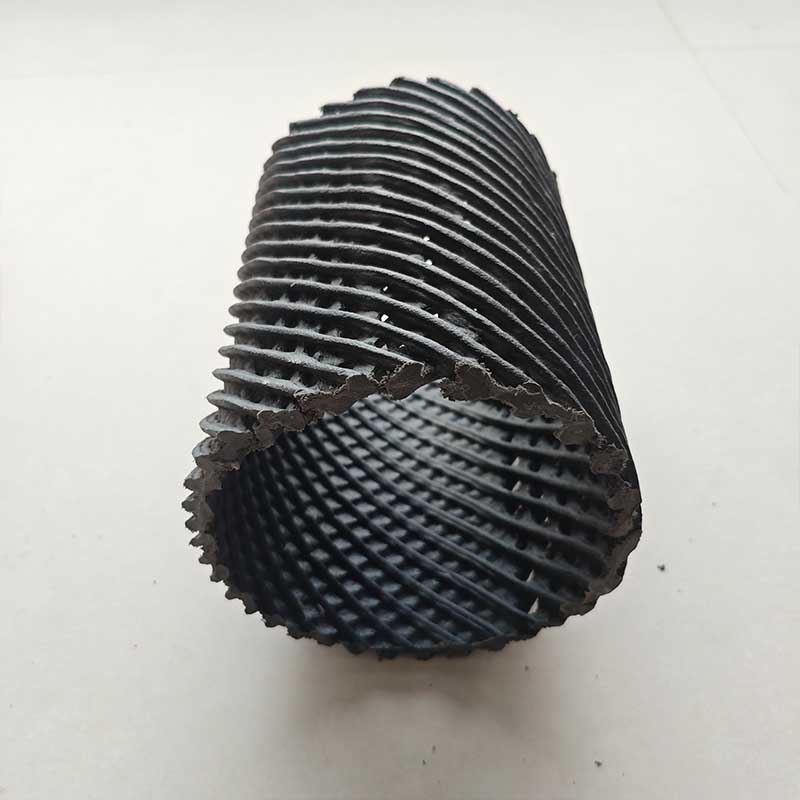
Spiral Rigid Permeable Pipe
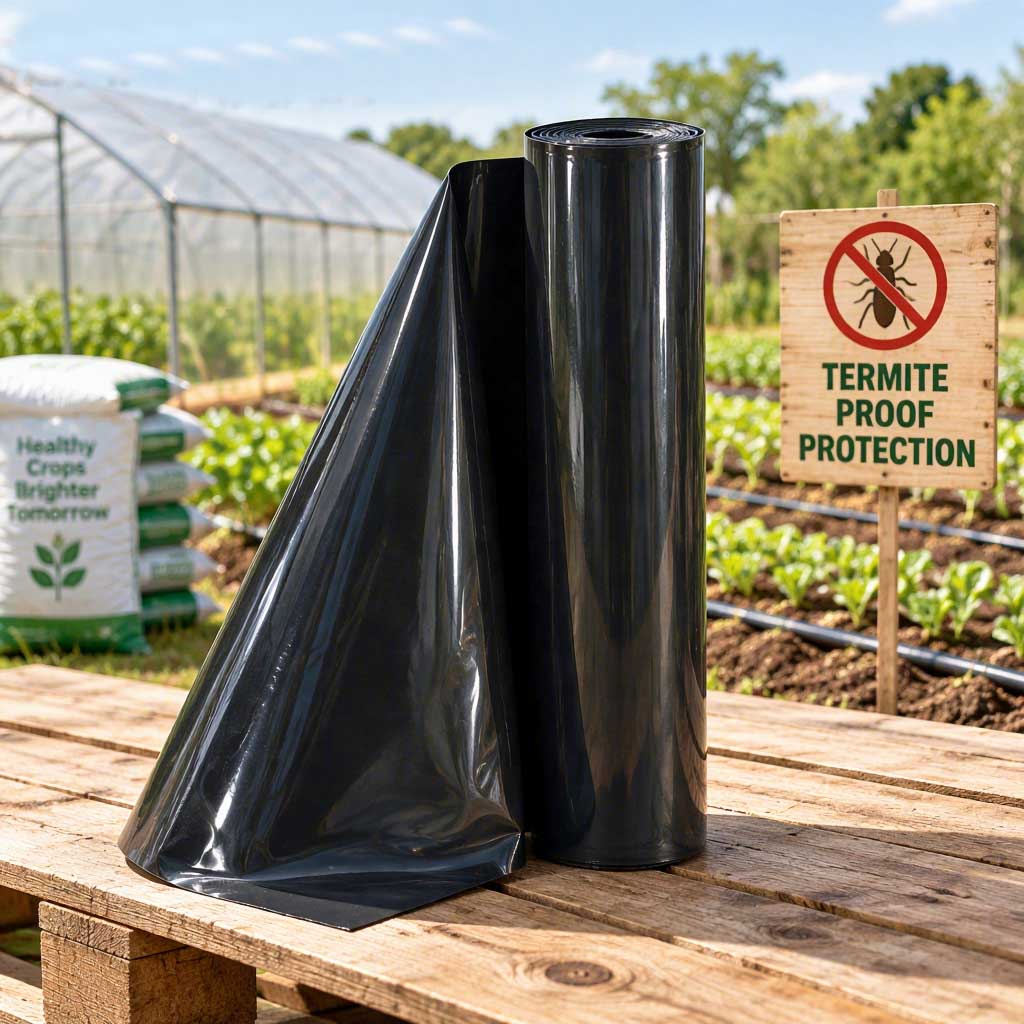
Anti Termite Barrier Membrane
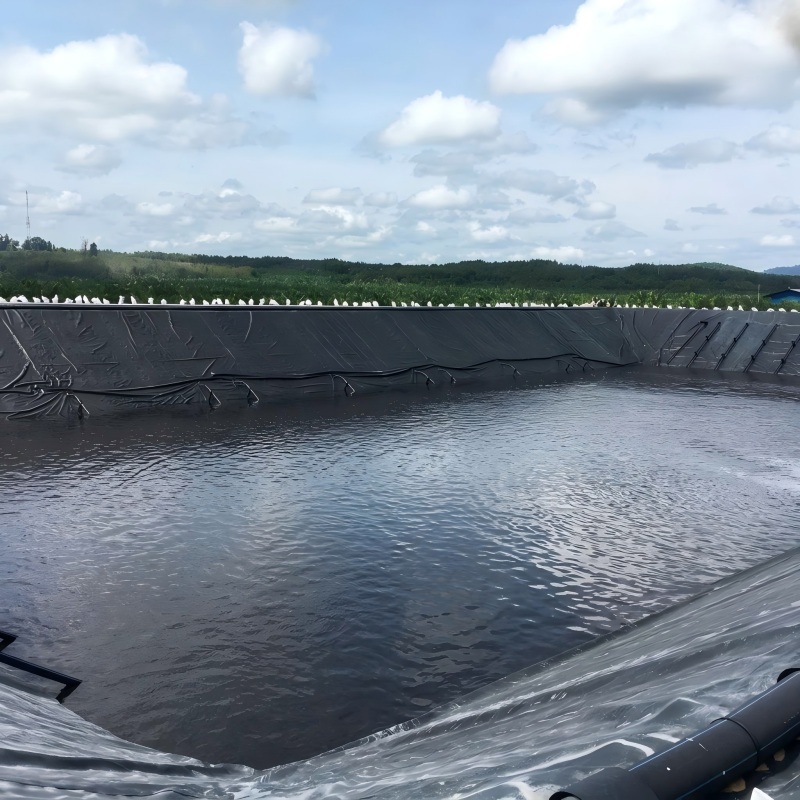
Strukturierte HDPE-Geomembran
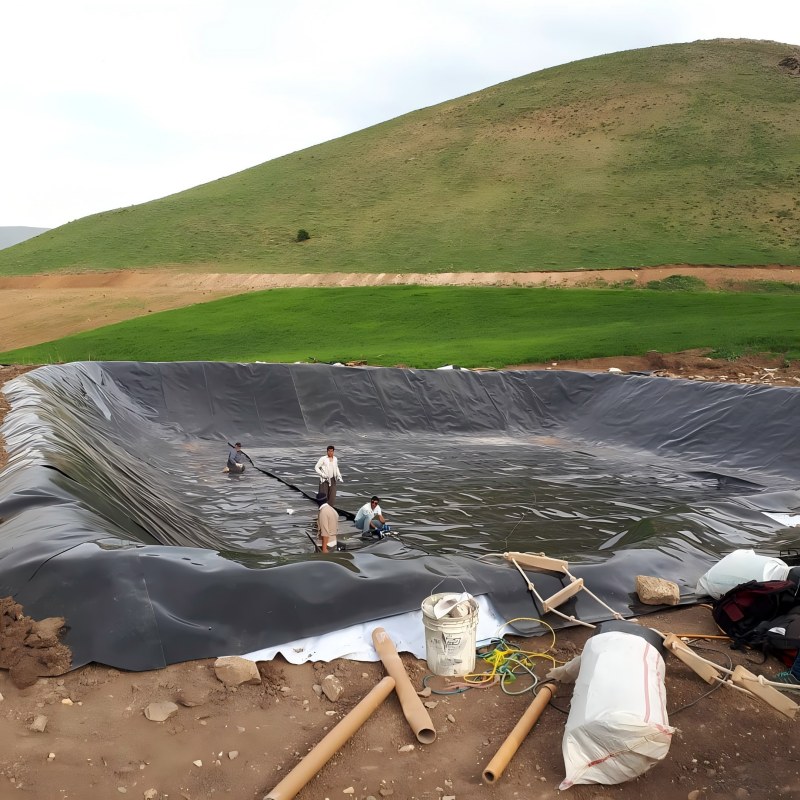
Glatte Geomembran-HDPE-Auskleidung
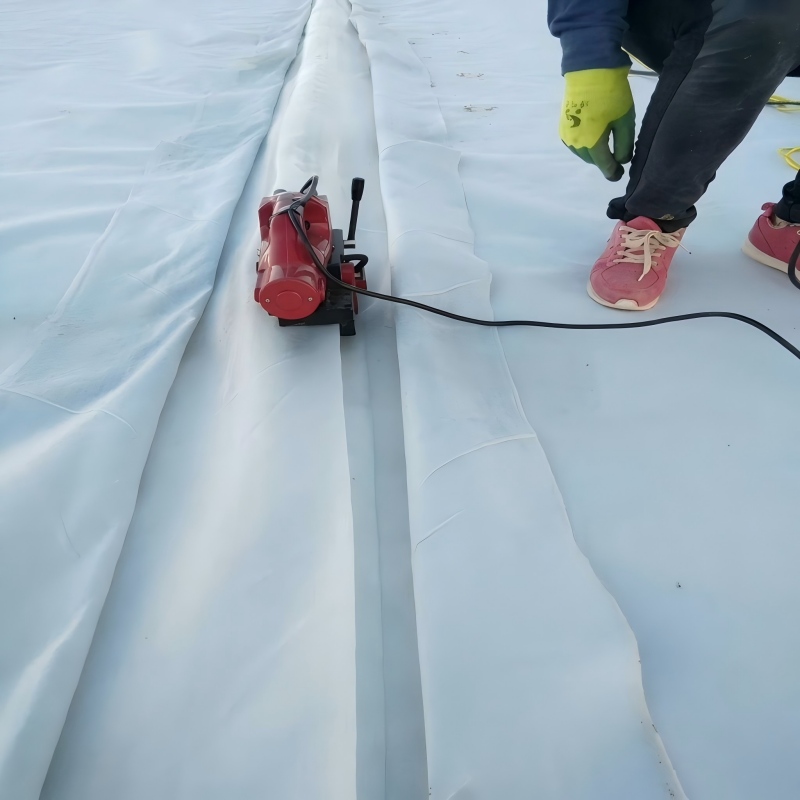
Verbund-Geomembran-Auskleidung
Kanalschutz
Neuigkeiten & Ankündigungen
Aktuelle Artikel
 5th November 2026
Why Do Golf Courses Use Bunker Liners?
 29th Oktober 2026
How to Choose a Textured HDPE Geomembrane Manufacturer
 23rd Oktober 2026
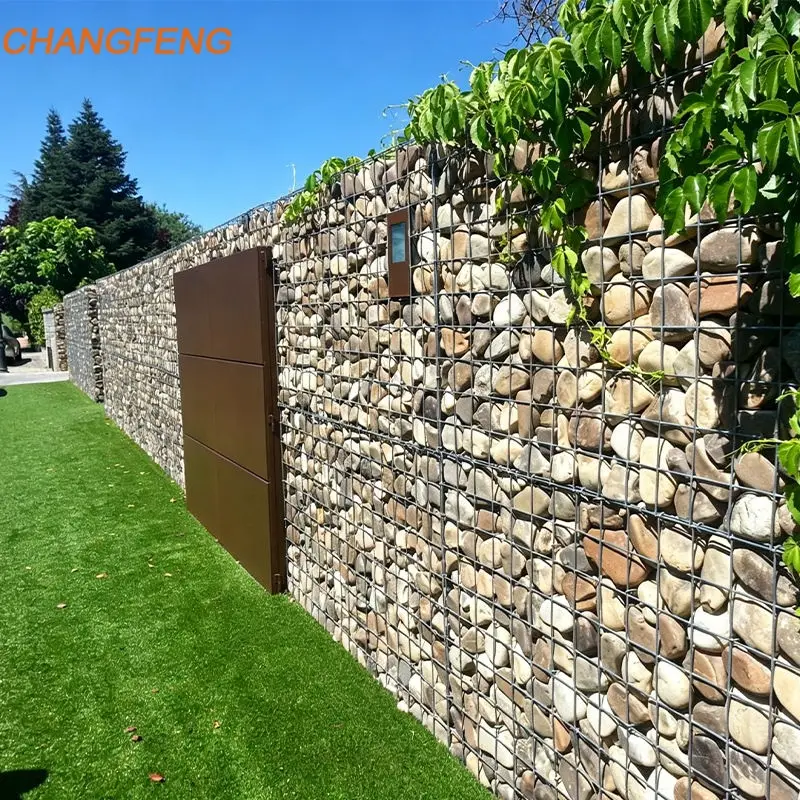
What Is a Gabion Types and Applications
 16th Oktober 2026
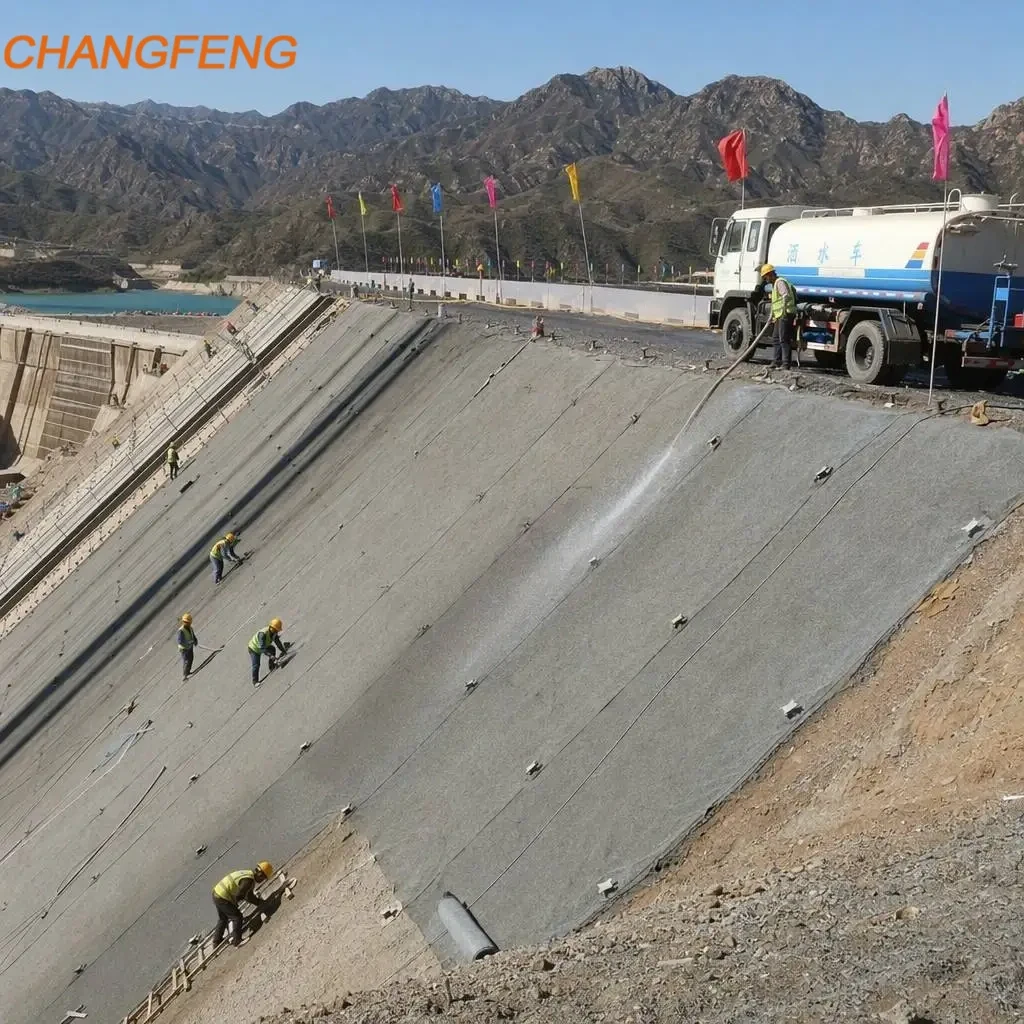
How to Choose Cement Blanket Thickness and Roll Format
 9th Oktober 2026
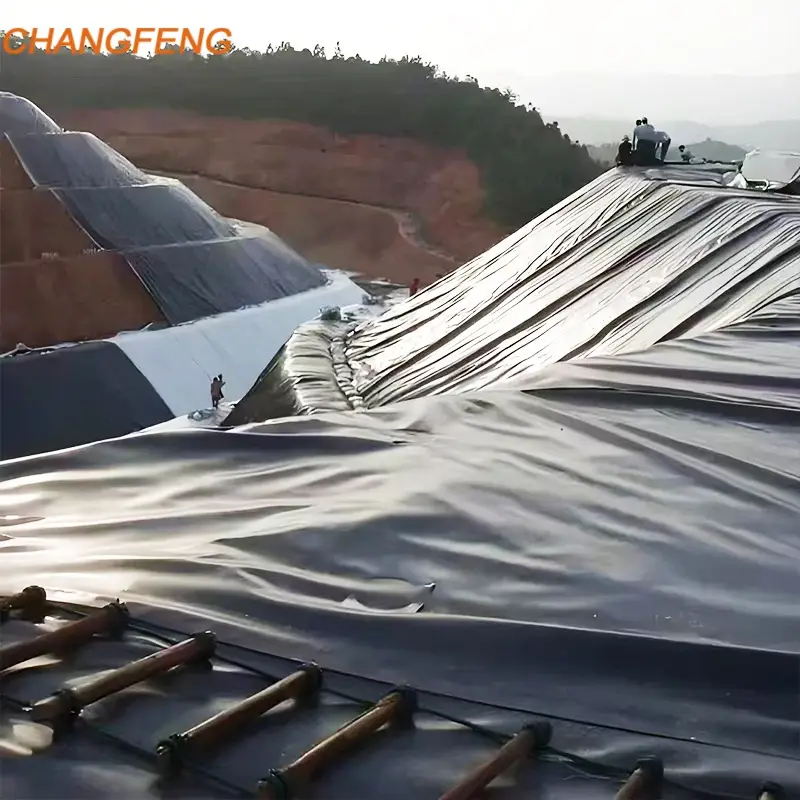
Wie Sie die beste Geokunststoffdichtungsbahn für Ihr Projekt auswählen
 2. Oktober
Wozu dient Geotextil? Fünf Kernfunktionen erklärt
Service Service Service Service Service Service Service Service
Unser Service
Preisvorteil durch Direkt vom Hersteller
Stabile Lieferkette
Breites Produktportfolio
Technischer Support und Produktunterstützung

Marken- und Marktunterstützung
Wonach suchst du?

Mehr als nur ein Hersteller
Ihr Lösungspartner
Wir schließen die Lücke zwischen effizienter Direktvertriebsabwicklung und fundiertem Ingenieurwissen. Ob strenge Vorschriften oder komplexe Baustellenbedingungen – unser Team liefert durch intensive technische Zusammenarbeit die „unsichtbare Stärke“, die Ihr Projekt benötigt.

Expertenzusammenarbeit

Fabrikbehörde

Innovative Lösungen
Angebot anfordern