How to Choose a Geogrid Manufacturer and Compare Quotations
-

- 12th نوفمبر 2026
When you want to pick a geogrid manufacturer, you must first agree on the product specification. After that, look closely at the supplier’s production role and check their supporting documents. Only compare prices when each quotation shows the exact same product, quantity, testing requirements, and delivery scope. If a bid leaves some things blank, ask them to explain it in writing.
You need to make two choices here. First, does the proposed product meet your purchasing requirements? Second, is the complete commercial offer good for your order? Do not mix technical approval with price talks. Find out exactly what the supplier will give you before you ask for a lower price.
The steps below give buyers a handy RFQ checklist. They also show a supplier review process and a comparison sheet that you can use before you place an order.
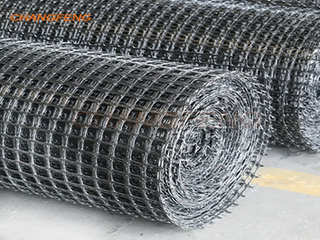
Define Your Geogrid Requirements Before Requesting Quotes
Begin with your project specification, or you can use an approved product schedule. Talk to your technical reviewer and ask them to check the required material and strength direction. They should also look at tensile properties, roll dimensions, and acceptance documents. Make sure every supplier gets the exact same copy of this request.
A biaxial geogrid gives strength in two directions. A unidirectional geogrid has its main tensile strength in just one direction. Use these easy facts to start. Then, get approval for the actual proposed specification and orientation.
Build a clear RFQ
Put these details in your request for quotation:
Product type and intended application.
Required tensile properties, directions, units, and test method.
Roll width, roll length, and total order quantity.
Delivery destination and requested quotation basis.
Packing, labeling, and document requirements.
Sample or inspection rules to agree on.
Requested production, dispatch, and arrival milestones.
For a biaxial plastic geogrid, Changfeng asks for strength, roll size, and application. They also need to know the quantity, destination port, and packing requirements. Their PET geogrid quote list asks for testing needs, too.
Tell them which items are a must and which ones can be changed. If you allow an alternative specification, ask the supplier to price it separately. They must show every change clearly. When you check the technical parts, keep the original request right next to the new one.
How to Verify a Geogrid Manufacturer
Ask each supplier to explain their role in your order, like whether they are a manufacturer, exporter, or another contracting party. Ask for their real legal company name and production location. Find out who sends the quote and who gets the money. You must clear up how these groups work together before you say yes to payment details.
To check the factory, ask for a live video tour or plan a real visit. Ask to see the proposed product and look at the key production steps. Check how the supplier marks finished rolls. Decide how deep to look based on your order requirements.
Connect the factory discussion to your order
Ask clear questions when you look around:
Where exactly will this product be made?
Who will check the agreed specification before they ship it?
How will they mark the supplied rolls on the packing list?
Which papers will come with this order?
Who will fix an inspection issue or a specification change?
Changfeng calls itself a source factory. It controls production and quality from raw materials all the way to shipment. The factory also takes OEM/ODM, custom specifications, and small-volume orders. This is how the company sees its own work. Even so, you must double-check these facts for your specific purchase.
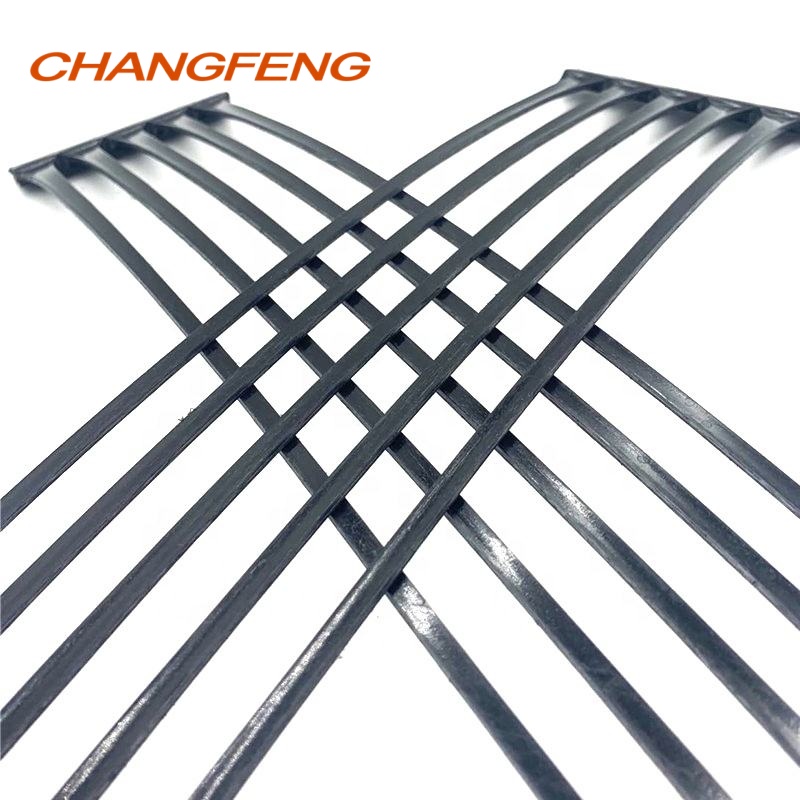
Agree on the document package
Ask for sample papers when you check the supplier. Then, set the final paper list in your order. State the product identification and the issuer. Pick the right test method and set the time you need each test document.
For biaxial project orders, Changfeng says they can give you several papers. These include sample confirmation, specification labels, packing photos, loading records, and test documents. For a uniaxial plastic geogrid, they offer specifications, labels, sample records, packing photos, and test documents. Check which papers your order needs, and ask both the supplier and your team to agree on this list.
Compare Technical Specifications on the Same Basis
Put each bid next to your requested specification. Look closely at the product designation and strength direction. Check the reported property, units, test method, and roll dimensions before you say two offers are alike. Ask suppliers to fill in empty spots so you do not have to guess what they mean.
Read the test method as well as the strength value
Refer to ASTM D6637/D6637M-15, the standard test method for determining tensile properties of geogrids. It shows tensile force–elongation results. These are used as basic numbers for quality control. They also help check commercial geogrid shipments before taking them.
In that book, Method A tests one single rib in tension, and it shows the force in N or lbf. Method B tests many ribs in tension, showing the results in kN/m or lbf/ft.
When you read a report, write down the method and the units together. Ask your technical reviewer to fix any rule changes before you say the comparison is okay. For engineering choices, get approval using the project’s specific needs. Do not just pick a number from a catalog.
Confirm the offered dimensions and customization
Changfeng offers custom tensile strength and aperture for uniaxial plastic geogrid. They can change the roll width and roll length, too. Send them the exact mix you want, and then ask them to reply in writing. They need to say if they can make it, how much they can make, and what the commercial terms will be.
Write down the offered dimensions on your quote sheet. Sometimes a supplier gives a different roll size. If so, ask them for the new roll count and total area. Check their packing arrangement and price basis. Get technical approval for any specification change before you move the bid to the final price list.
Compare Geogrid Quotations by Delivered Cost
Pick one delivery spot and one buying plan for your test. Then ask each top supplier a key question. What does their price cover, and what parts do you have to handle yourself?
The ICC says Incoterms 2020 sets up costs, risk, and duties. Ask them to write down the rule, the named place or port, and the book year. Talk to your shipping helper to make sure these plans are right for your shipments.
Build a complete cost worksheet
To compare, write down the quoted product amount first. Then add every extra charge. Think about packing, transport, insurance, inspection, and testing. Add port fees, import charges, and truck delivery to the site. Mark each cost clearly as included, priced alone, fixed by you, or still waiting for an answer.
Use a very simple math rule:
Comparison total = quoted product amount + extra costs outside that quotation.
Only add each cost one time. Write down the money type and the exchange rate on your sheet. Keep guesses away from confirmed charges, and find out the hidden facts before you pick the winner.
If you want to check by area, divide the total money by the agreed quoted area. If you use a different math rule, use the exact same one for every bid. Keep the first quote right next to your math so your team can check the numbers easily.
Compare timing and payment alongside cost
Ask for a clear time plan just for your order. It must cover specification approval and sample approval if you need it. It should also show production, dispatch, and when things will arrive. Write down any rules tied to these days. Ask who does what at each step, and find out how they will tell you if times change.
Look at the payment plan at the very same time. Match an action to each payment. Know which papers you want before you send money. Fix all these things with the supplier before you send the real order.
Use a Supplier and Quotation Comparison Sheet
Use the table below as a rough guide. Type in the actual offer facts, and if you do not have an answer, just write "pending." Keep a separate note of who said yes to the technical and commercial facts.
|
Comparison field |
Your requirement |
Supplier A |
Supplier B |
|---|---|---|---|
|
Product and material |
Approved product designation |
Enter offer |
Enter offer |
|
Tensile specification |
Property, direction, value, units |
Enter details |
Enter details |
|
Testing |
Method, edition, required documents |
Enter details |
Enter details |
|
Roll dimensions |
Width, length, permitted variation |
Enter offer |
Enter offer |
|
Quantity |
Rolls and total quoted area |
Enter offer |
Enter offer |
|
Manufacturing review |
Evidence requested and reviewer |
Record outcome |
Record outcome |
|
Order documents |
Agreed document list |
Record commitment |
Record commitment |
|
Delivery basis |
Rule, named place, edition |
Enter offer |
Enter offer |
|
Product price |
Currency and quantity basis |
Enter amount |
Enter amount |
|
Additional costs |
Included, excluded, or pending |
List amounts |
List amounts |
|
Comparison total |
Same destination and scope |
Calculate |
Calculate |
|
Schedule |
Written milestones and conditions |
Enter dates |
Enter dates |
|
Payment |
Agreed triggers and documents |
Enter terms |
Enter terms |
|
Open questions |
Owner and resolution deadline |
List questions |
List questions |
First, finish the technical review. Next, look at the final money totals for the bids you like. Could a missing answer change your mind or change the cost? If yes, get that answer before you make your final choice.
Resolve Red Flags Before Placing an Order
Stop the buying process if a quote or paper is not clear about a big rule. Ask them to explain in writing if you see things like this:
A strength number that hides the test method, direction, or unit.
A test paper showing a different product identification than the bid.
A new specification change with no written approval.
A price that hides the true quantity or delivery basis.
Packing or testing fees that you still need to check.
Payment facts that do not match the old agreed deal.
A delivery promise without set dates or clear rules.
Ask for a new quote or a letter that clears up every blank spot. If the product changes, send the plan back to the technical team. If the money part changes, fix the math on your sheet, and then have a colleague cross-check the revised total.
Do a final check before you send the order. Lock in the product schedule, quantity, and document list. Check the delivery basis, payment terms, and how to handle problems. If you use sample approval, keep the approved sample note right with the order.
FAQs About Choosing a Geogrid Supplier
What should I send to get a useful quotation?
Tell them the product type, application, and required strength. Give them the roll size, quantity, and destination. Add your testing, packing, labeling, and delivery needs. You want them to put a price on these things, so use just one RFQ copy for the whole group.
Should I choose the lowest price?
Finish the technical review first. After that, look at complete commercial offers side by side. Have your buying team think about the agreed cost and documentation. They must look at the schedule and missing answers too, before picking a supplier.
Can I request custom roll dimensions?
For uniaxial plastic geogrid, Changfeng can change the roll width and length for you. Send them the exact sizes and quantity you need. Then, ask them to say yes to the specification and terms.
What documents should I request before shipment?
Agree on a special list for your product early on. Talk to your team and find out what specifications, labels, and sample records they need. Ask if they want photographs and test documents. Once you know, get the supplier to say yes in writing.
Do you want to talk about a Changfeng quote? Send your RFQ and your project needs. Ask them to give you a clear line-by-line price list. After that, use the comparison sheet to finish your technical and commercial review.

Synthetic Erosion Control Mat
Spiral Rigid Permeable Pipe
HDPE Corrugated Drainage Pipe

Anti Termite Barrier Membrane
غشاء جيولوجي من البولي إيثيلين عالي الكثافة ذو ملمس خاص
بطانة جيوممبرين ناعمة من البولي إيثيلين عالي الكثافة

أكثر من مجرد شركة مصنعة
شريكك في الحلول
نحن نربط بين كفاءة المصنع المباشرة والخبرة الهندسية. سواء كنت تواجه لوائح صارمة أو ظروف موقع معقدة، فإن فريقنا يقدم "القوة الخفية" التي يحتاجها مشروعك من خلال تعاون تقني معمق.

التعاون بين الخبراء

هيئة المصنع

حلول مبتكرة
احصل على عرض سعر