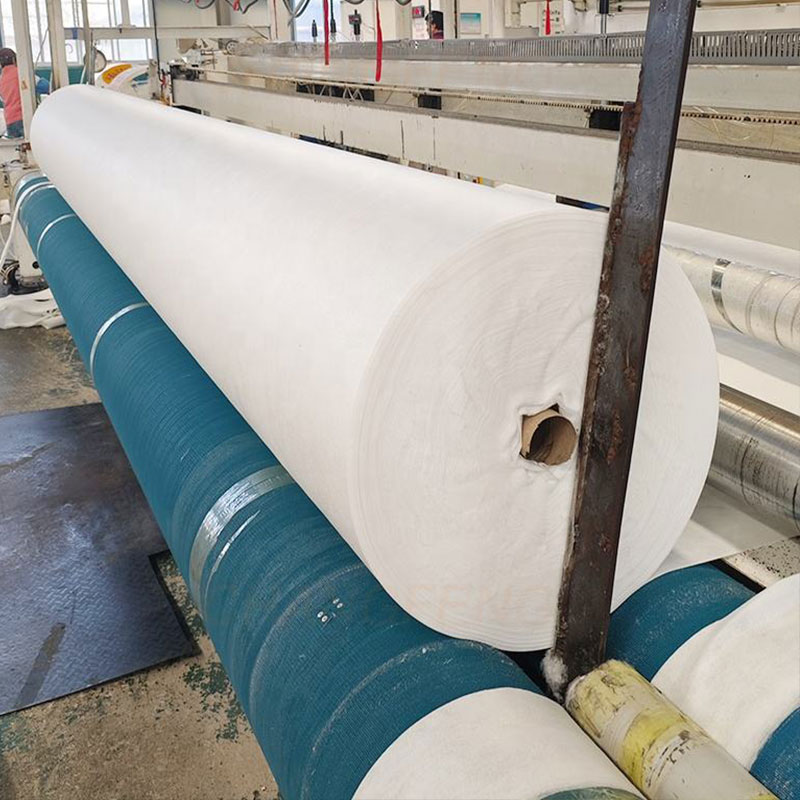
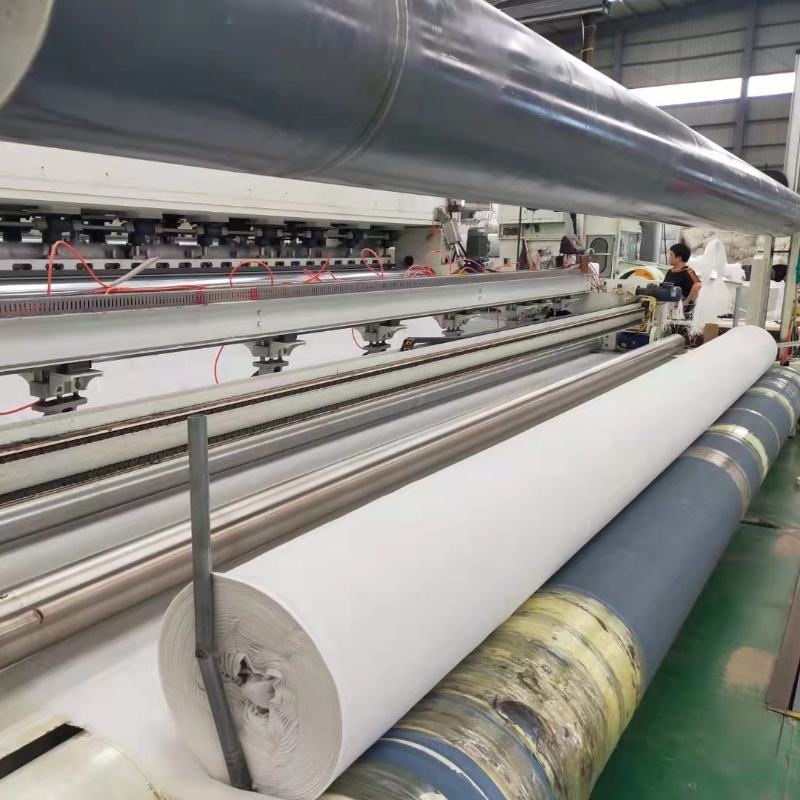
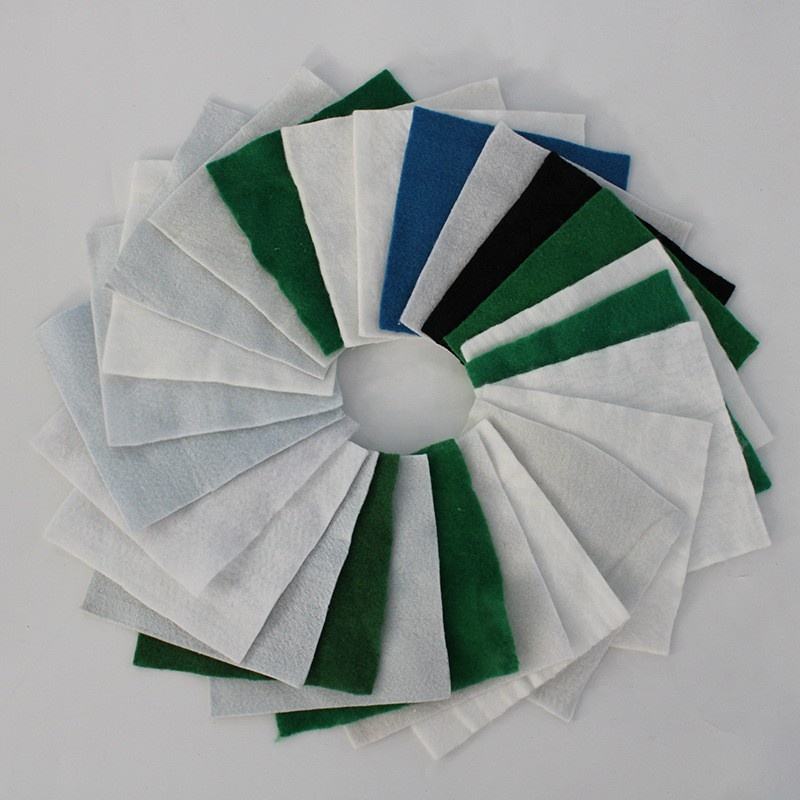
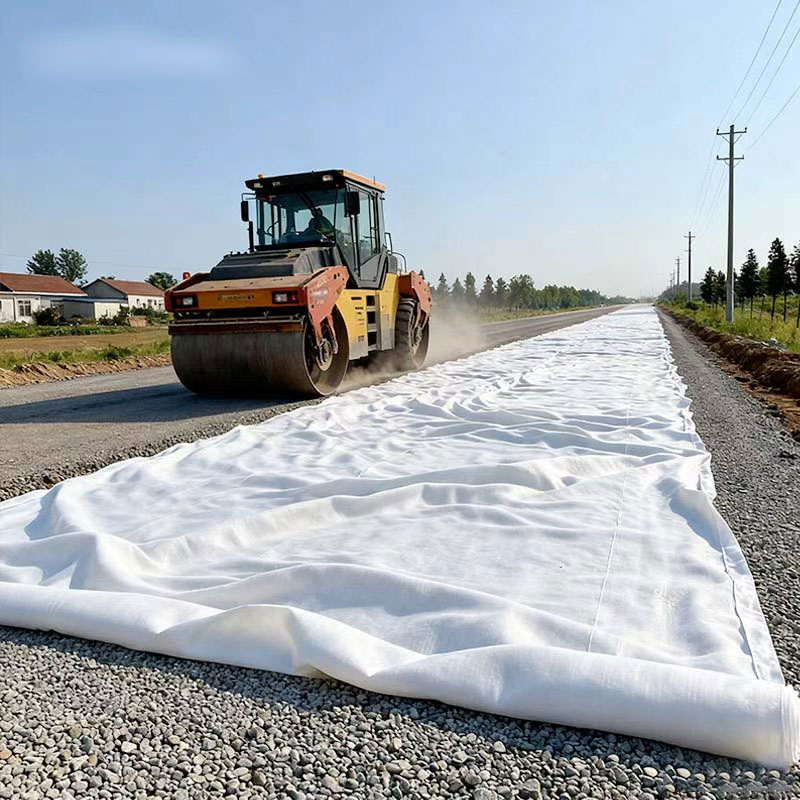
أنواع أخرى من المنسوجات الأرضية
- توريد مُصمم خصيصًا لتلبية احتياجات التوريد، وتوريد مواد عالية الجودة للاستخدامات الهندسية المتعددة.
- خيارات الصفائح المنسوجة، وغير المنسوجة، والمركبة، أو الخاصة حسب الطلب
- مناسب للتحكم في الجسيمات، وتقسيم الطبقات، والتقوية، والتوسيد، وتدفق المياه
- مخزون الإدخال القابل للتخصيص، ووزن المساحة، ومعدل التحميل، والعرض، وطول وحدة الشحن، والتعبئة
- العلامة التجارية: تشانغفنغ | صنع في شاندونغ، الصين
- دعم تصنيع المعدات الأصلية/تصميم المعدات الأصلية للمناقصات والموزعين وطلبات سلع التوريد المختلطة
ما هي محفظة أوراق تصنيف المشتريات المخصصة؟
تشير محفظة مشتريات المواد الجيوسينثيتيكية المُخصصة إلى مجموعة من مواد البناء المدنية المصنوعة من الأقمشة، والتي يتم اختيارها وفقًا لمتطلبات الشراء المحددة، وليس بناءً على مواصفات لفة ثابتة. وقد يشمل نطاقها منتجات منسوجة، أو مثقبة بالإبر، أو مركبة، أو مغلفة، أو مطلية، أو منتجات ذات أغراض خاصة تُستخدم في مختلف التطبيقات الهندسية.
تتطلب خطط التوريد المختلفة سلوكيات مختلفة لأقمشة التوريد. فقد يحتاج الطريق إلى تقسيم الطبقات وتعزيزها، وقد يحتاج خندق تصريف المياه إلى التحكم في الجسيمات، وقد يحتاج مكب النفايات إلى التبطين، وقد يحتاج توريد المنحدرات إلى تثبيت السطح. ونظرًا لاختلاف الاستخدام النهائي، تساعد شركة تشانغفنغ المشترين على مطابقة نوع المخزون الأولي، ووزن قماش التوريد، ودرجة الشد، والنفاذية، وحجم وحدة الشحن، وخطة التعبئة مع حالة الاستخدام المقصودة.
تُناسب هذه الصفحة الخاصة بمنتجات التوريد العملاء الذين يشترون عن طريق المناقصات، أو الرسومات، أو طلبات العينات، أو قوائم الطلبات المختلطة. فبدلاً من عرض منتج توريد واحد محدود، تُوفر هذه الصفحة مسار توريد مرن للمقاولين والتجار والموزعين الذين يحتاجون إلى أنواع متعددة من المنسوجات من نفس المُصنِّع. بالنسبة للعديد من المشترين، لا تكمن الصعوبة الرئيسية في اختيار وحدة شحن قياسية واحدة، بل في تنسيق عدة أنواع من الأقمشة ذات أوزان وعرض ووظائف وملصقات تغليف مختلفة. يُمكن لخطة توريد مُخصصة أن تُقلل من تكلفة التواصل وتُساعد المشتري على استلام المواد التي تُطابق قائمة الكميات أو الرسومات أو خطة مخزون الموزع. بالنسبة للمشترين الدائمين، يُمكن تنظيم نفس مجموعة منتجات التوريد بأسماء ثابتة وعلامات تغليف وسجلات وحدات شحن مُوحدة. يُساعد هذا فرق الشراء على مُقارنة الدفعات، وإدارة تخزين المستودعات، وإرسال نوع القماش الصحيح إلى كل موقع عمل دون خلط المواصفات. تُفيد هذه الصفحة أيضًا فرق التوريد التي تُدير رموز الكتالوج، وبدائل المناقصات، والعلامات التجارية الخاصة، والدفعات التجريبية، وتجميع الحاويات، وعمليات الشراء المُتكررة. بدلاً من مقارنة نوع واحد من القماش فقط، يمكن للمشتري تنظيم ملف شامل يتضمن قواعد تسمية منفصلة، وعلامات على الكراتين، وجداول لفات، وملفات امتثال، وملاحظات مستودعات. تساعد هذه الآلية الموزعين على تقديم عروض أسعار لعدة مستخدمين نهائيين دون الحاجة إلى إعادة بناء قائمة المواصفات في كل مرة.
قبل بدء الإنتاج، يجب على المشتري تأكيد حالة الاستخدام، وتفضيلات المخزون، والوظيفة، ومتطلبات تصنيف الحمولة، والمتطلبات الهيدروليكية، وحجم وحدة الشحن، واللون، والتعبئة، ومعايير الاختبار. بإمكان شركة تشانغفنغ إعداد المواصفات والملصقات وصور التحميل ووثائق الشحن اللازمة لدعم عمليات الشراء الخارجية والتسليم في الموقع. تساعد هذه الخطوة أيضًا على تجنب طلب أقمشة التوريد الخاطئة لمناطق العمل المختلفة. كما تدعم طلبات الإطار السنوية، وبرامج إعادة البيع الإقليمية، وتخطيط وحدات التخزين الخاصة، وإعداد كتيبات العينات، وطلبات الباركود، وتخطيط الحاويات متعددة الوجهات. بالنسبة لمصادر المحفظة، يمكن لفريق المشتريات إدارة شجرة وحدات التخزين، وخطوط العطاءات البديلة، وباركود إعادة البيع، وتصميم الكرتون، ومجلد العينات، وبطاقة الموافقة، وحاوية المستودع، ومزيج الحاويات، ومصفوفة الموردين، وملف الامتثال، وجدول إعادة الطلب، وغلاف العلامة التجارية الخاصة، وخطة المخزون الإقليمية، وقائمة هامش الموزع، واتفاقية الإطار السنوية. هذه التفاصيل التجارية تميز الصفحة عن أي نسيج تقني آخر، وتساعد المشترين على تنظيم عدة فئات في برنامج شراء واحد.
ميزات المنتج وفوائده
1. نطاق المنتج المرن
يمكن اختيار خيارات النسيج المنسوج وغير المنسوج والمركب والخاص وفقًا لمتطلبات المشروع.
2. وظائف هندسية متعددة
يمكن للمنتجات أن تدعم الترشيح والفصل والتقوية والصرف والحماية في الأعمال المدنية.
3. مطابقة المواصفات
يمكن مطابقة المادة، ووزنها بالجرام، ودرجة الشد، والنفاذية، وحجم اللفة، واللون مع الرسومات أو وثائق المناقصة.
4. دعم الطلبات المختلطة
يمكن تنظيم أنواع الأقمشة المختلفة ومواصفات اللفائف ضمن خطة شراء واحدة.
5. وضع ملصقات وتغليف واضحين
تساعد ملصقات اللفائف وعلامات الدفعات وقوائم التعبئة وصور التحميل المشترين على إدارة عملية التسليم.
6. خدمة تصنيع المعدات الأصلية/تصميم المعدات الأصلية
تدعم شركة تشانغفنغ العلامات التجارية المخصصة، ووثائق المشاريع، وتعبئة الصادرات، وطلبات الموزعين.
7. دعم إمداد المشروع
يمكن ترتيب المواد، ونوع المنتج، ووزن المنتج بالجرام لكل متر مربع، ودرجة القوة، وحجم اللفة، واللون، وعناصر الاختبار، والتعبئة المختلطة، والملصقات، ودعم تصنيع المعدات الأصلية/تصميم المعدات الأصلية لتوريد المشروع.
جدول معلمات المنتج
| المعلمة | وحدة | مرجع | نطاق المواصفات |
|---|---|---|---|
| فئة مواد التوريد | / | / | منسوجات منسوجة، أو غير منسوجة، أو مركبة، أو منسوجات مخصصة للتوريد |
| خيار إدخال الأسهم | / | / | مادة PP أو PET أو مواد الإدخال المحددة في عملية الشراء |
| الوظيفة الرئيسية | / | / | التحكم بالجسيمات، تقسيم الطبقات، تقوية الأداء، التوسيد، تدفق المياه |
| الوزن السطحي / الوزن | جم/م2 | التوريد القائم على | يتم تخصيصها وفقًا لنوع عنصر التوريد |
| عرض اللفة | م | التوريد القائم على | من 1 إلى 6 أو حسب الطلب |
| طول اللفة | م | التوريد القائم على | 50-100 أو حسب الطلب |
| درجة القوة | / | التوريد القائم على | يتم الاختيار حسب حالة الاستخدام ونوع قماش التوريد |
| لون | / | / | أبيض، أسود، رمادي، أخضر، أو حسب الطلب |
| عنصر الاختبار | / | التوريد القائم على | الشد، الثقب، النفاذية، AOS، السماكة، الكتلة |
| التعبئة والتغليف | / | / | تغليف بالفيلم، أو أكياس منسوجة، أو منصات نقالة، أو تعبئة الطلبات المختلطة |
| تصنيع المعدات الأصلية/تصميم المعدات الأصلية | / | / | متاح |
| أصل | / | / | شاندونغ، الصين |
سيناريوهات التطبيق
1. مشتريات الهندسة المدنية المختلطة
قد يحتاج المقاولون إلى عدة أنواع من المنسوجات ضمن حزمة شراء واحدة. ويساعد التوريد المُخصّص على دمج وحدات الشحن والملصقات والمواصفات والوثائق المختلفة ضمن خطة طلب واحدة.
2. أعمال الطرق والسكك الحديدية
بحسب التصميم، يمكن للمنسوجات الأرضية فصل التربة عن الركام، وتقوية الطبقات الضعيفة، وترشيح المياه، أو حماية مواد تدفق المياه في بناء الطرق والسكك الحديدية.
3. مشاريع مدافن النفايات والمشاريع البيئية
يمكن أن تعمل المنسوجات الأرضية كطبقة واقية، أو للتحكم في الجسيمات، أو لتقسيم الطبقات، أو كطبقات واقية في أنظمة قواعد مدافن النفايات، وأنظمة التغطية، والبرك، وأعمال الاحتواء البيئي.
4. ترشيد استهلاك المياه وتدفق المياه
بالنسبة للقنوات والخنادق والسدود وخطط شراء التحكم في المياه، يمكن أن تساعد أقمشة الإمداد المختارة في ترشيح التربة وحماية الركام والحفاظ على مسارات تدفق المياه.
5. تخفيف انحدار المنحدرات والمناظر الطبيعية والموقع
يمكن لأقمشة التوريد من الدرجة المخصصة للمشتريات أن تدعم تبطين المنحدرات، وقواعد تنسيق الحدائق، وممرات الحدائق، وتقسيم الطبقة السطحية، وترميم المواقع عندما تتطابق المواصفات مع حالة الأرض.
ضبط الجودة
تُراجع شركة تشانغفنغ طلبات شراء المنسوجات المُخصصة حسب نوع الصنف المُورّد، والمخزون المُدخل، وأبعاد وحدة الشحن، ومظهر القماش المُورّد، ووزنه، وعناصر الاختبار المطلوبة. ونظرًا لأن الطلبات المُخصصة قد تشمل فئات مختلفة من الأقمشة المُورّدة، يتم تأكيد خطة الفحص وفقًا للمواصفات المختارة وحالة الاستخدام.
بالنسبة للطلبات المختلطة، يمكن إعداد الملصقات وأرقام الدُفعات وعلامات التعبئة وقوائم وحدات الشحن وصور التحميل ووثائق التصدير لمساعدة المشترين على فصل مواد التوريد بعد التسليم. يجب تأكيد إجراء اختبارات خاصة أو فحص من طرف ثالث قبل بدء الإنتاج.
التعبئة والتسليم
تُورَّد مواد المنسوجات المخصصة في وحدات شحن أو عبوات. ويمكن تغليف اللفائف بغشاء بلاستيكي أو قماش منسوج أو على منصات نقالة أو بتعبئة مختلطة حسب نوع المادة وطريقة الشحن. ويمكن وضع ملصق على كل وحدة شحن يتضمن المواصفات والحجم ورقم الدفعة ومعلومات الطلب لتسهيل إدارة المستودعات والمواقع.
التعليمات
س1: ما المقصود بشراء المنسوجات حسب الطلب؟
ج: هذا يعني أن نوع قماش التوريد، ومخزون المدخلات، ووزن المساحة، ومعدل التحميل، وحجم وحدة الشحن، واللون، والتعبئة، وعناصر الاختبار يتم اختيارها وفقًا لمتطلبات الشراء.
س2: هل يمكن أن يشمل طلب واحد أنواعًا مختلفة من المنسوجات المشتراة؟
ج: نعم. يمكن أن تشمل الطلبات المختلطة مواد منسوجة أو غير منسوجة أو مركبة أو غيرها من مواد توريد المنسوجات إذا تم تأكيد المواصفات قبل الإنتاج.
س3: ما هي المواد الخام المتاحة؟
ج: يُعد كل من البولي بروبيلين والبولي إيثيلين تيريفثالات من الخيارات الشائعة. يجب اختيار المادة الخام النهائية وفقًا لحالة الاستخدام، ومتطلبات قدرة التحمل، وميزانية الشراء.
س4: هل يمكنك اتباع رسم أو مواصفات مناقصة؟
ج: نعم. يمكن للمشترين إرسال الرسومات، وقائمة الكميات، ووثائق المناقصة، أو متطلبات العينة لمطابقة المواصفات وتقديم عرض الأسعار.
س5: ما هي التطبيقات التي يمكن تغطيتها؟
ج: تشمل الاستخدامات الشائعة الطرق والسكك الحديدية ومدافن النفايات وأعمال تدفق المياه والمنحدرات وتنسيق الحدائق والهياكل الاستنادية وخطط شراء المياه.
س6: ما هي المعلومات المطلوبة للحصول على عرض سعر؟
ج: يرجى تقديم نوع عنصر التوريد، ومخزون الإدخال، ووزن المساحة، والعرض، والطول، ومتطلبات تصنيف الحمل، وحالة الاستخدام، والكمية، وميناء الوجهة، واحتياجات الاختبار.
س7: كيف يتم تصنيف مواد التوريد المختلطة؟
ج: يمكن تصنيف اللفائف حسب نوع عنصر التوريد والمواصفات ورقم الدفعة والكمية ومعلومات الطلب للمساعدة في الفرز بعد التسليم.

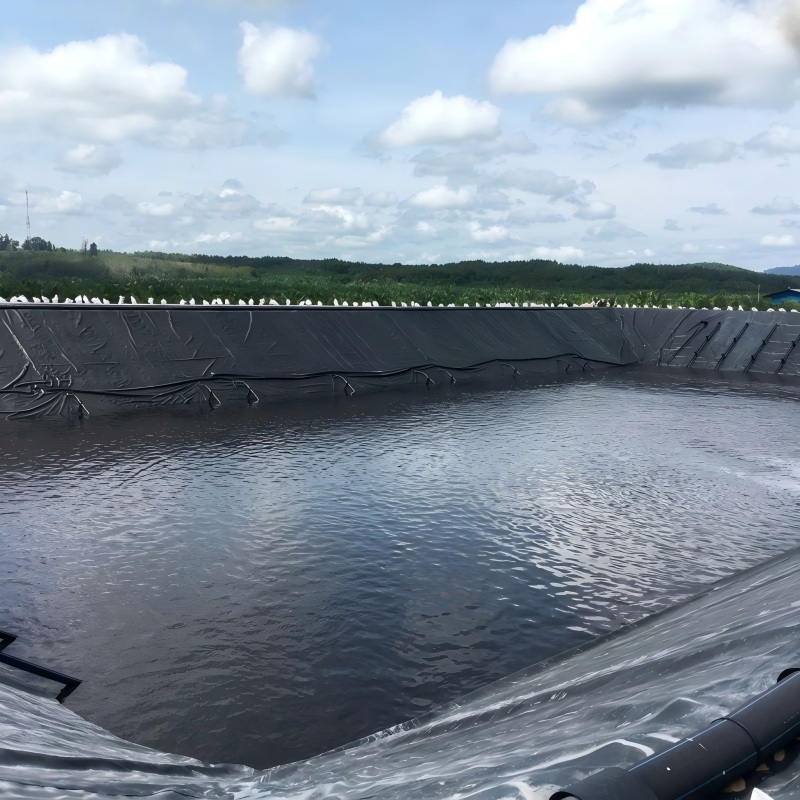
غشاء جيولوجي من البولي إيثيلين عالي الكثافة ذو ملمس خاص
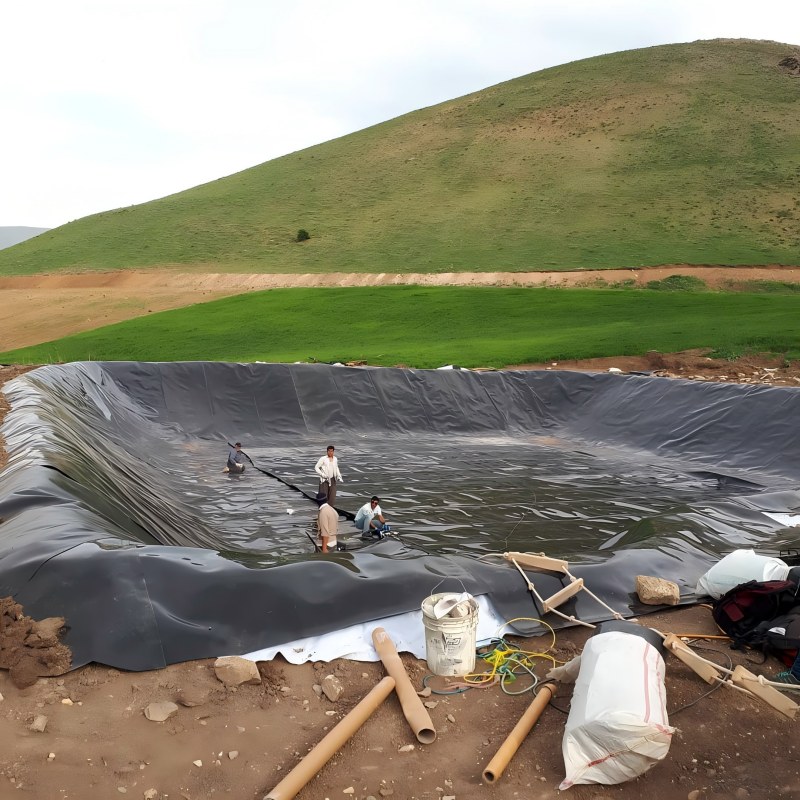
بطانة جيوممبرين ناعمة من البولي إيثيلين عالي الكثافة
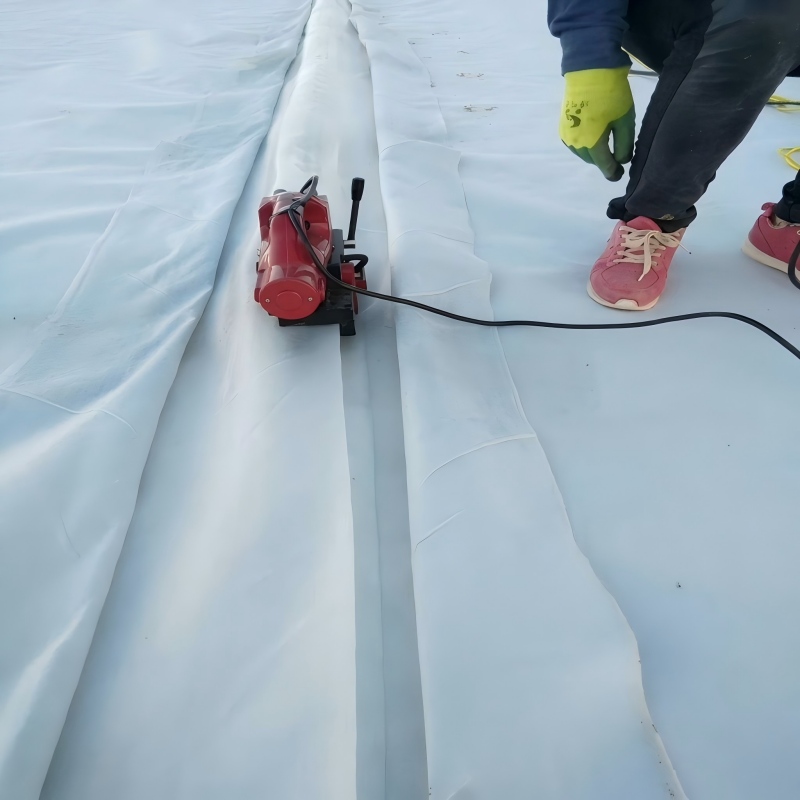
بطانة غشائية مركبة
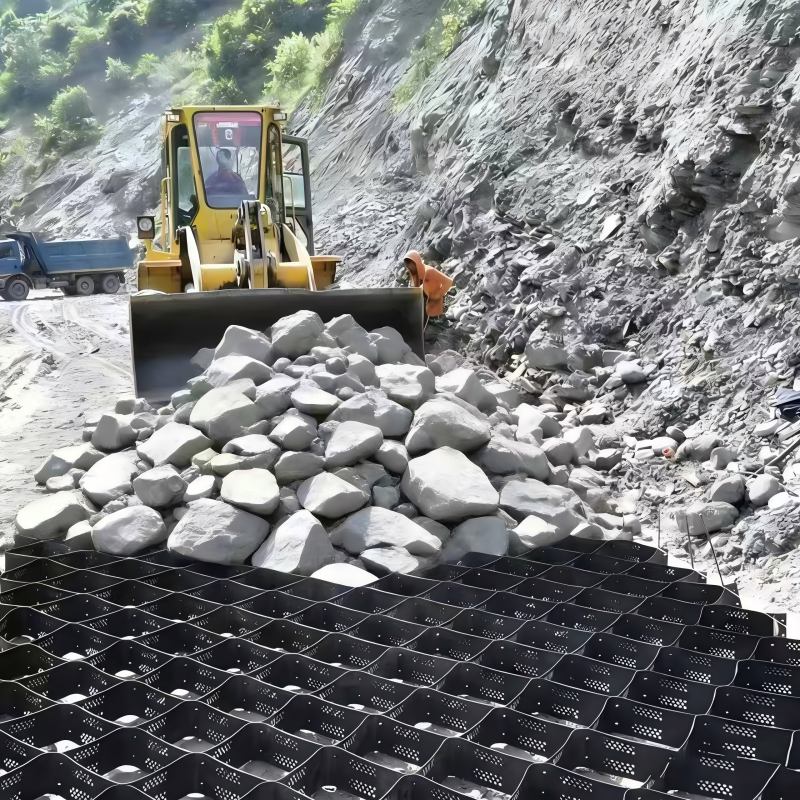
حماية القناة
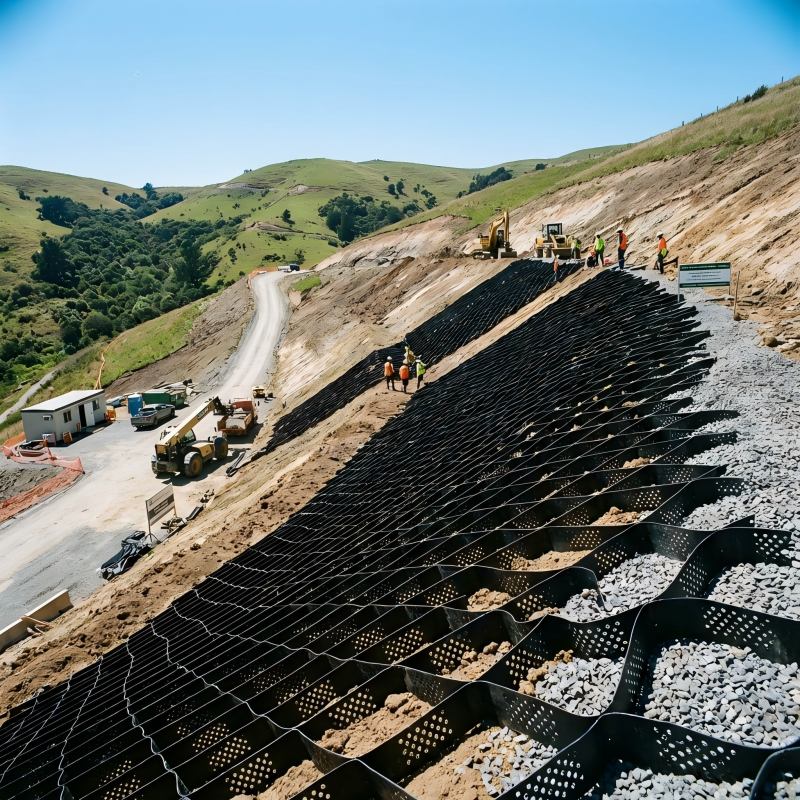
مكافحة التعرية في المنحدرات
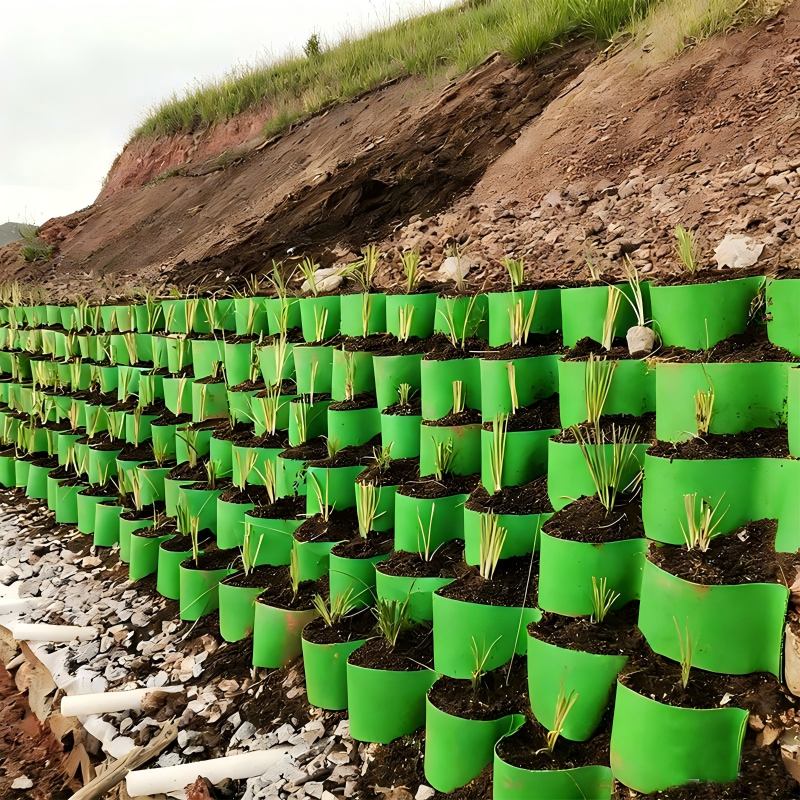
الجدران الاستنادية
الأخبار والإعلانات
مقالات حديثة
 18th سبتمبر 2026
What Is a Geocell? How Cellular Confinement Systems Work
 11th سبتمبر 2026
How to Choose Geocell Height, Cell Size and Sheet Thickness
 4th سبتمبر 2026
5 Best Geocomposite Manufacturers for Global Buyers
 28th أغسطس 2026
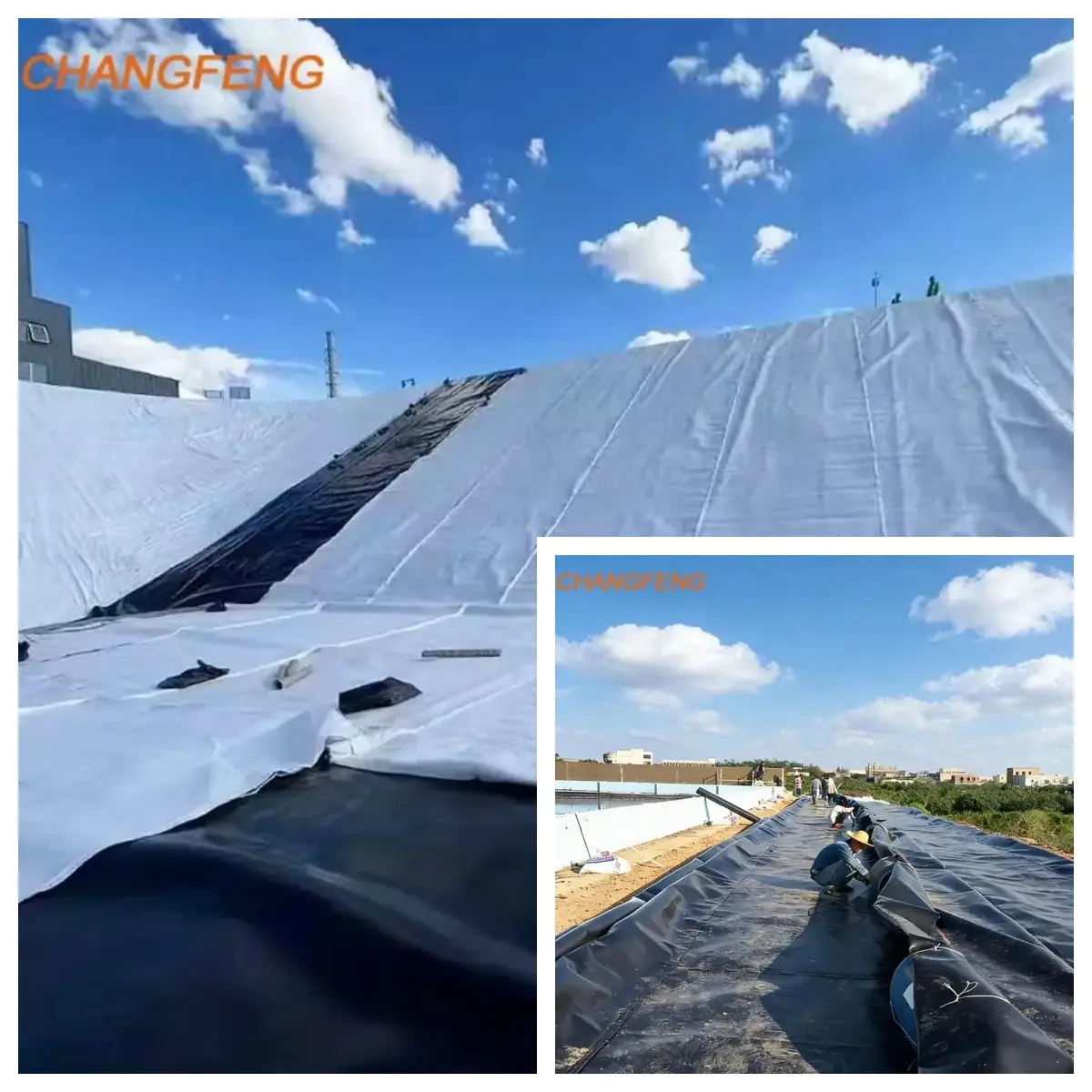
الأغشية الأرضية مقابل المنسوجات الأرضية: الوظائف والاختلافات ومتى يُستخدم كل منهما
 21st أغسطس 2026
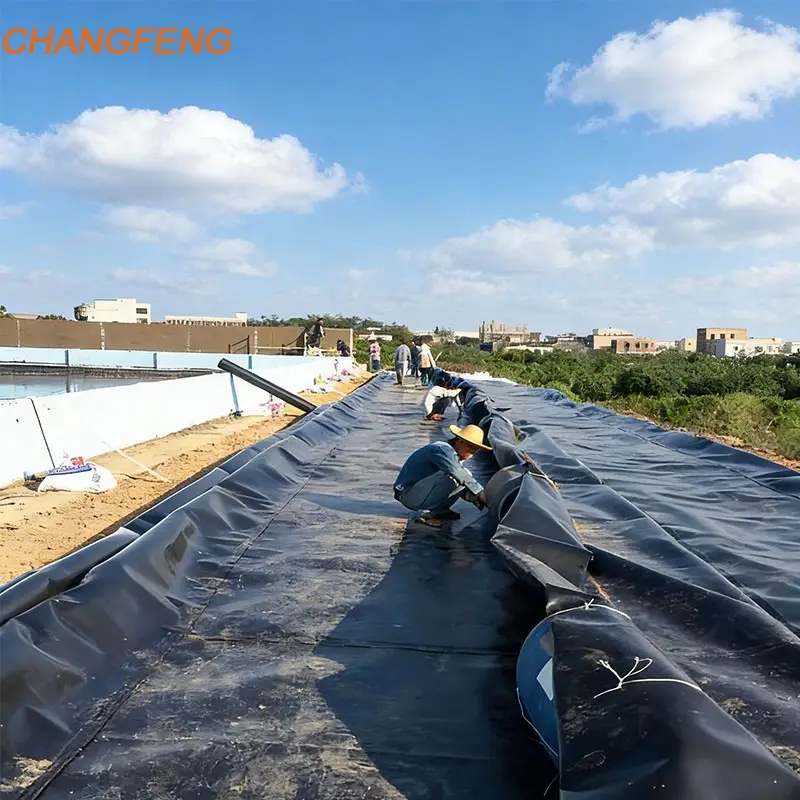
ما هو الغشاء الأرضي؟ أنواعه، مواده، استخداماته، وكيفية عمله
 1st يونيو 2026
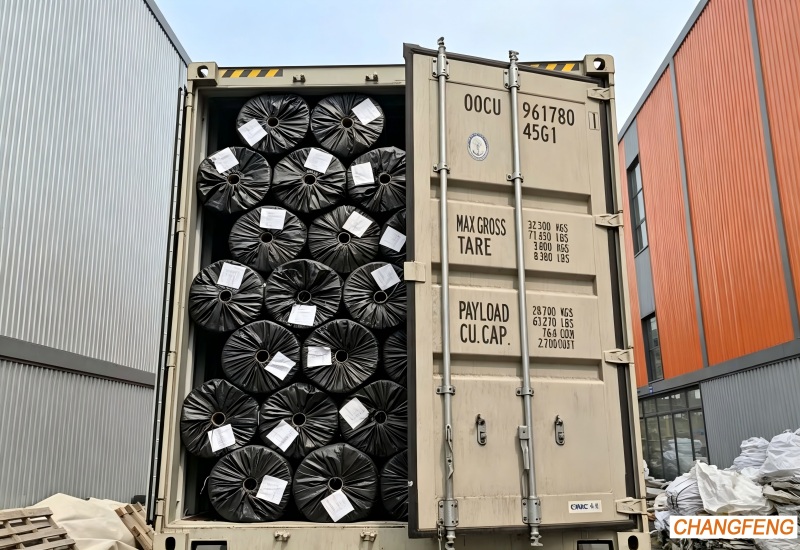
الوجهة: الأسواق العالمية. دفعة أخرى من الأغشية الجيولوجية المعتمدة تغادر منشأتنا
خدمة خدمة خدمة خدمة خدمة خدمة خدمة خدمة
خدماتنا
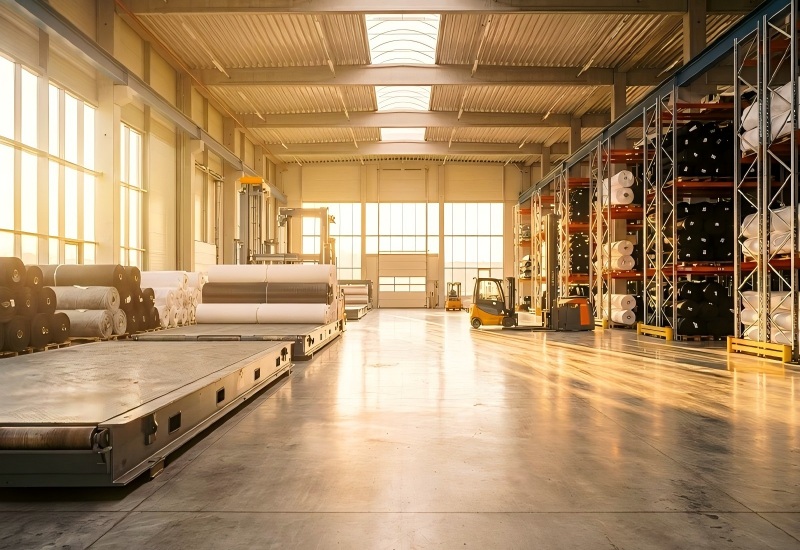
ميزة السعر المباشر من المصنع
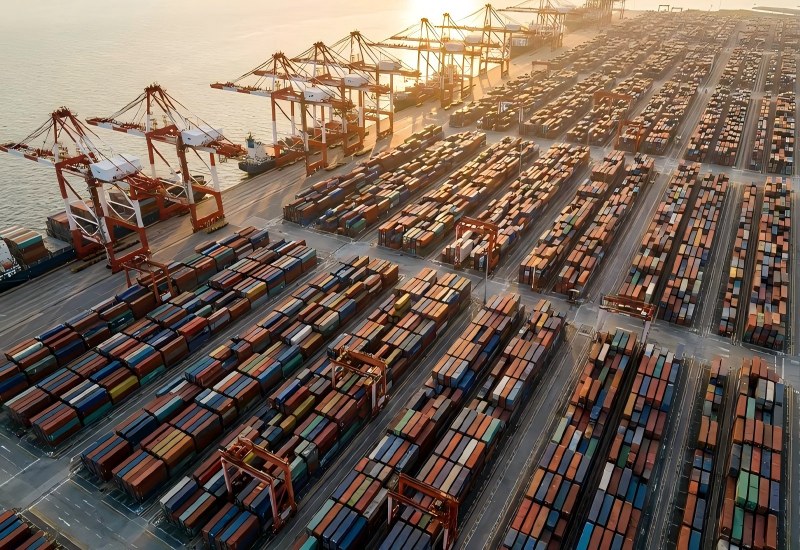
سلسلة توريد مستقرة
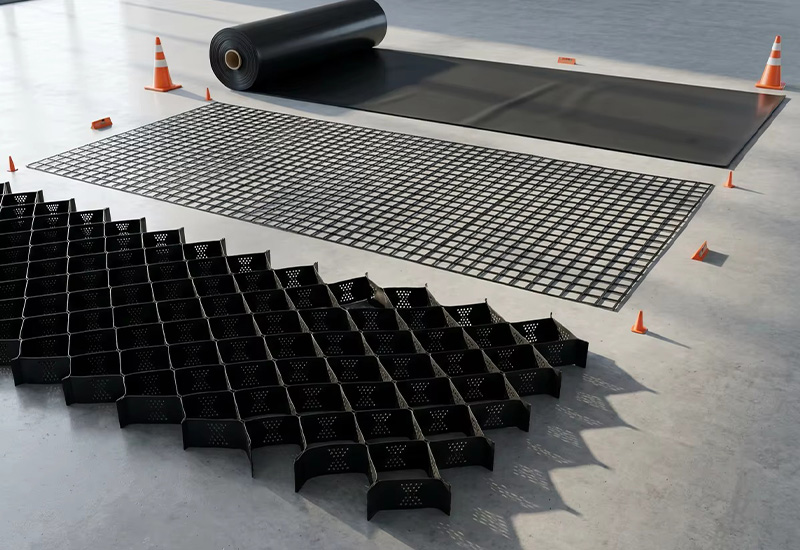
مجموعة منتجات واسعة
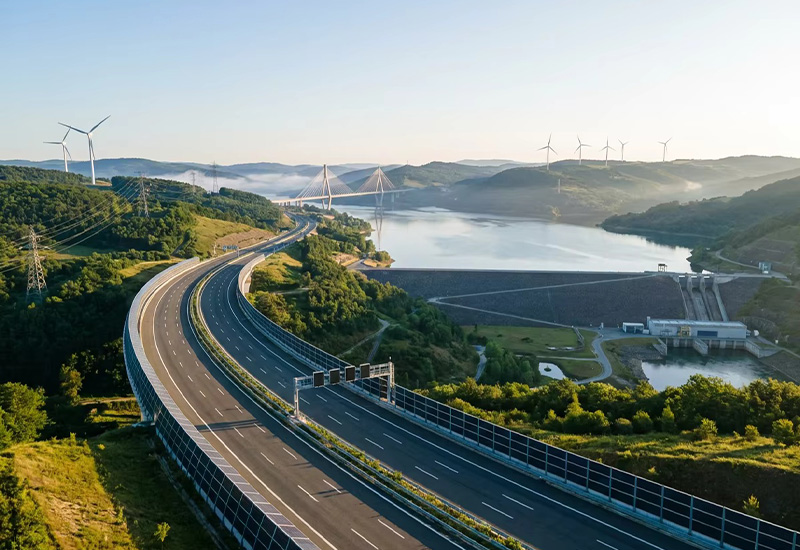
الدعم الفني ودعم المنتج

دعم العلامة التجارية والسوق
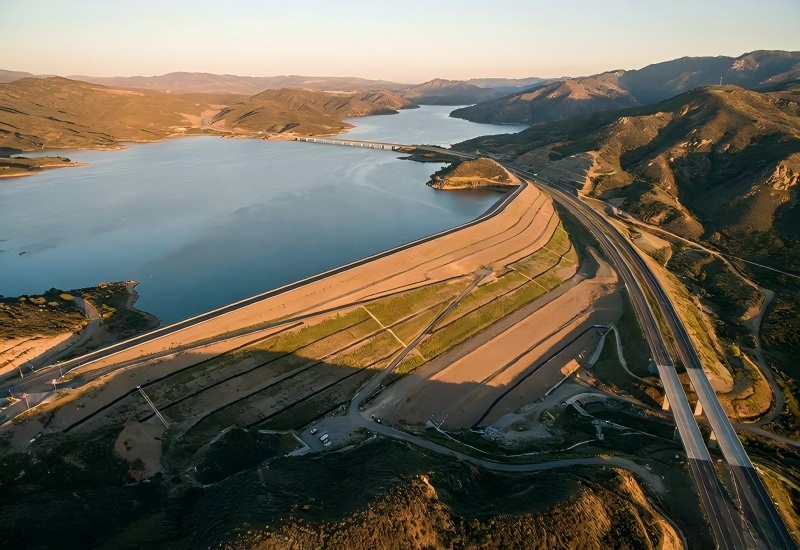
ما الذي تبحث عنه؟

أكثر من مجرد شركة مصنعة
شريكك في الحلول
نحن نربط بين كفاءة المصنع المباشرة والخبرة الهندسية. سواء كنت تواجه لوائح صارمة أو ظروف موقع معقدة، فإن فريقنا يقدم "القوة الخفية" التي يحتاجها مشروعك من خلال تعاون تقني معمق.

التعاون بين الخبراء

هيئة المصنع

حلول مبتكرة
احصل على عرض سعر