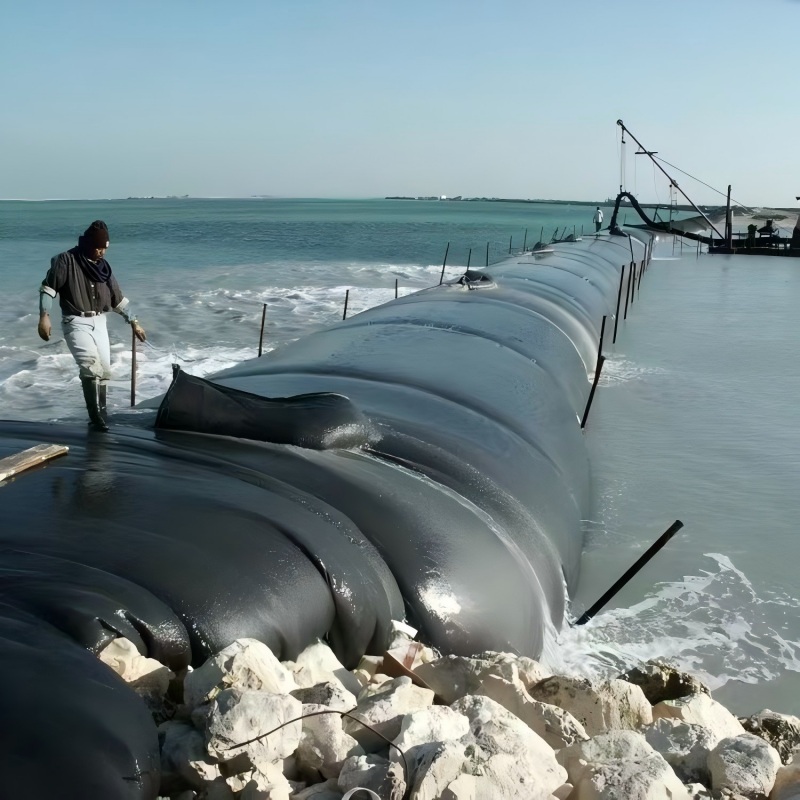
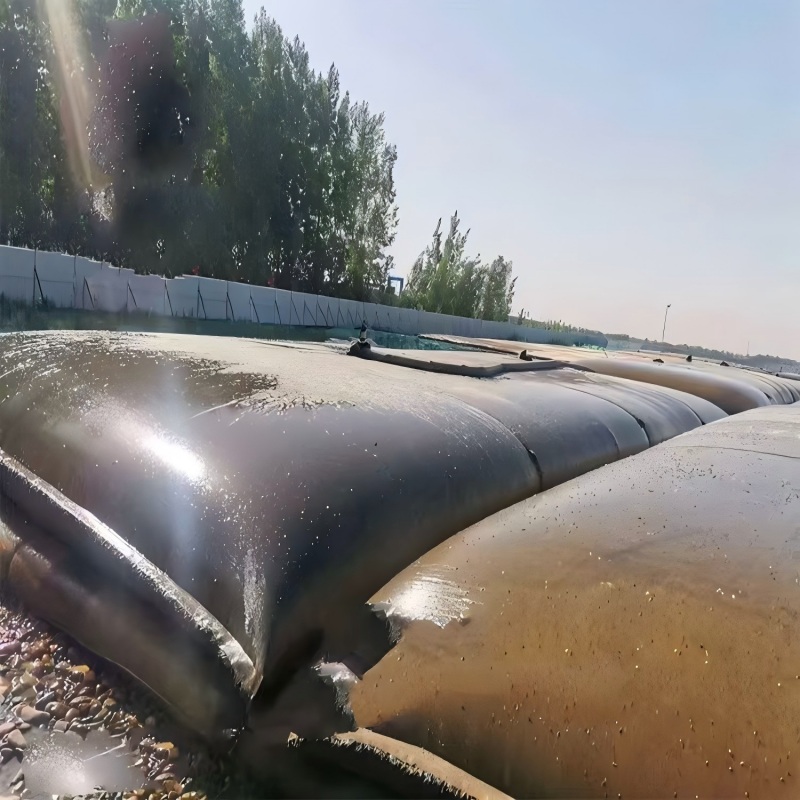
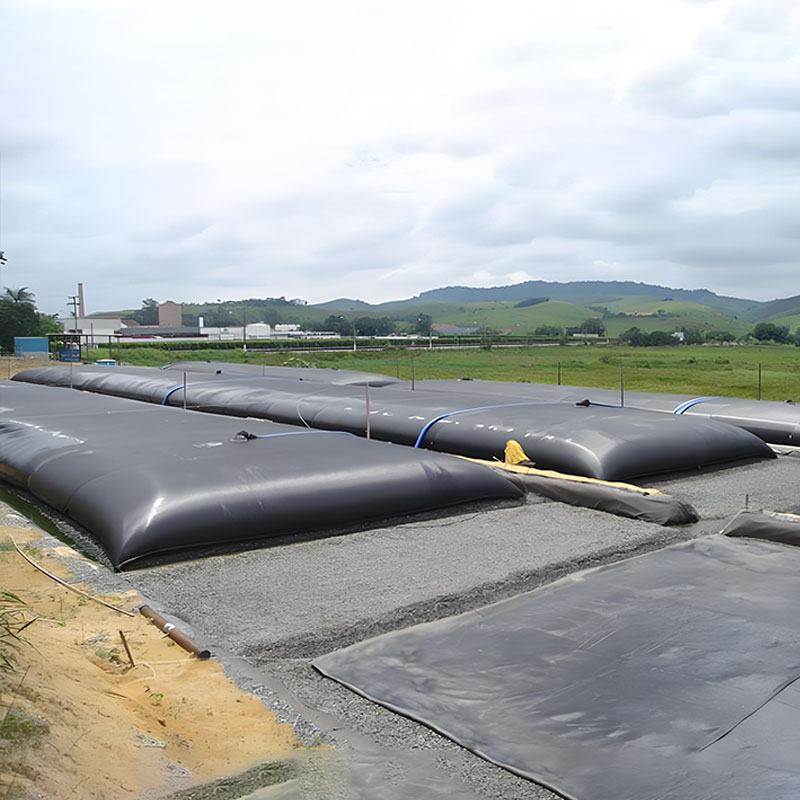
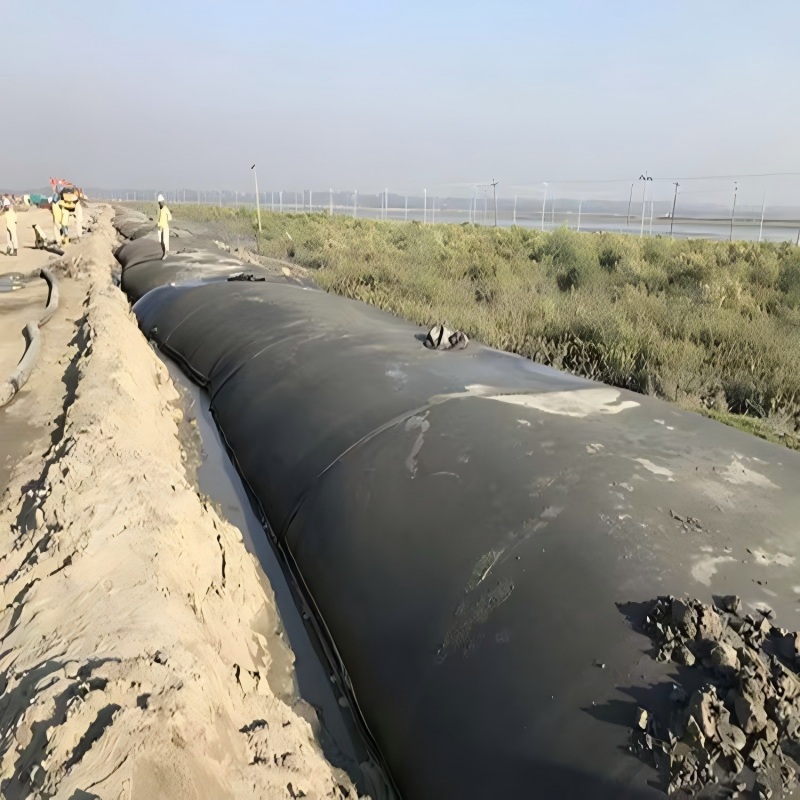
أنابيب نزح المياه
- تجفيف الحمأة والرواسب والمواد المجروفة
- نسيج جيوتكستيل من البولي بروبيلين عالي المتانة مع تصميم مخصص للدرزات وفتحات التعبئة
- طول الأنبوب، والقطر، وقوة النسيج، وتصميم المنافذ، والتغليف قابلة للتخصيص
- مناسب لأعمال التجريف، ومعالجة مياه الصرف الصحي، والتعدين، ومشاريع البحيرات الساحلية
- العلامة التجارية: تشانغفنغ | بلد المنشأ: الصين
- دعم مصنعي المعدات الأصلية/مصممي التصميم الأصلي وتوثيق المشاريع للطلبات القائمة على المشاريع
ما هي أنابيب نزح المياه المصنوعة من النسيج الأرضي؟
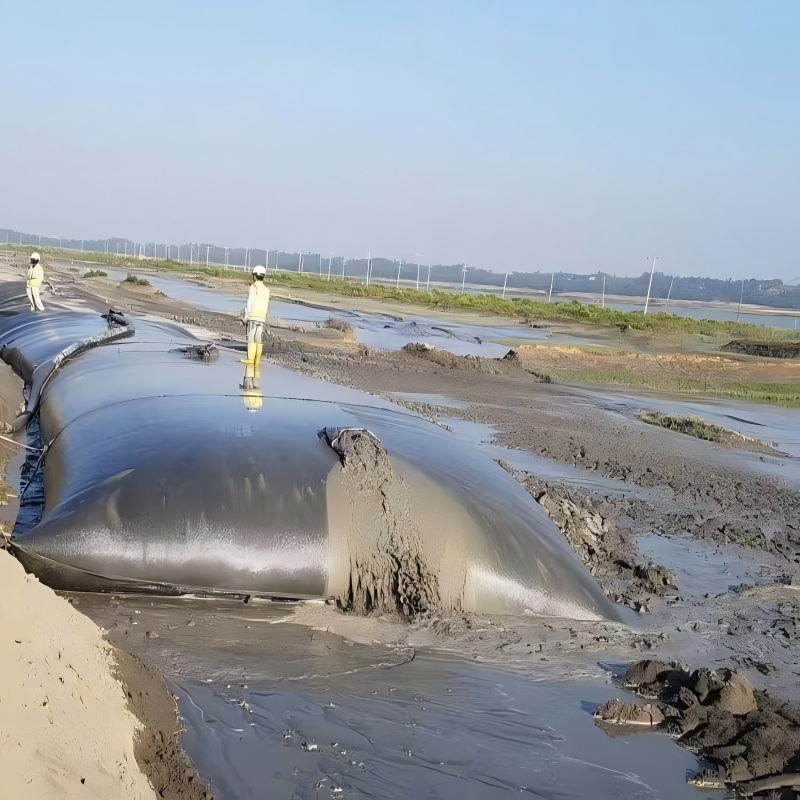
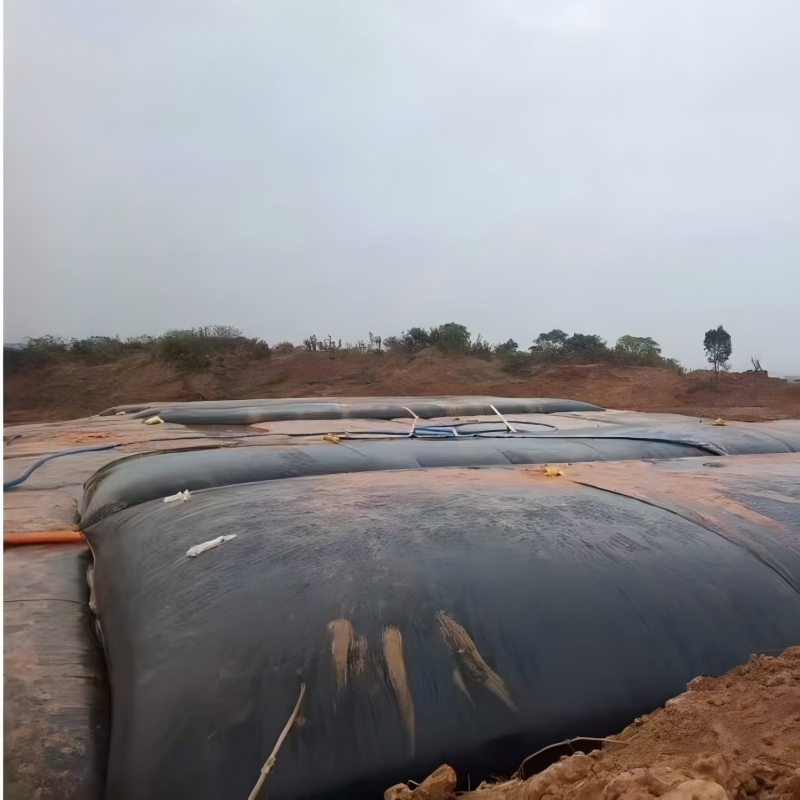
أنابيب التجفيف الجيوتكستايلية عبارة عن أكياس كبيرة على شكل أنبوب. يصنعها المصنعون من نسيج جيوتكستيل متين من البولي بروبيلين. وهي تستوعب الحمأة اللزجة والطين الرطب والمواد الصلبة الناتجة عن مياه الصرف الصحي. يتسرب الماء النظيف بأمان عبر القماش، بينما تبقى الأوساخ الصلبة محصورة بإحكام داخل الكيس.
في موقع العمل، تدفع مضخة الطين الرطب إلى داخل الأنبوب عبر فتحات خاصة. يعمل القماش السميك تمامًا مثل مرشح مياه عملاق. يتساقط الماء النظيف ببطء على السطح. في الوقت نفسه، يبقى الطين الثقيل في الداخل ويتصلب مع مرور الوقت. أحيانًا، يضيف العمال مواد كيميائية مفيدة أولًا. هذا يجذب حبيبات الطين الصغيرة ويدفع المزيد من الماء للخارج بسرعة أكبر.
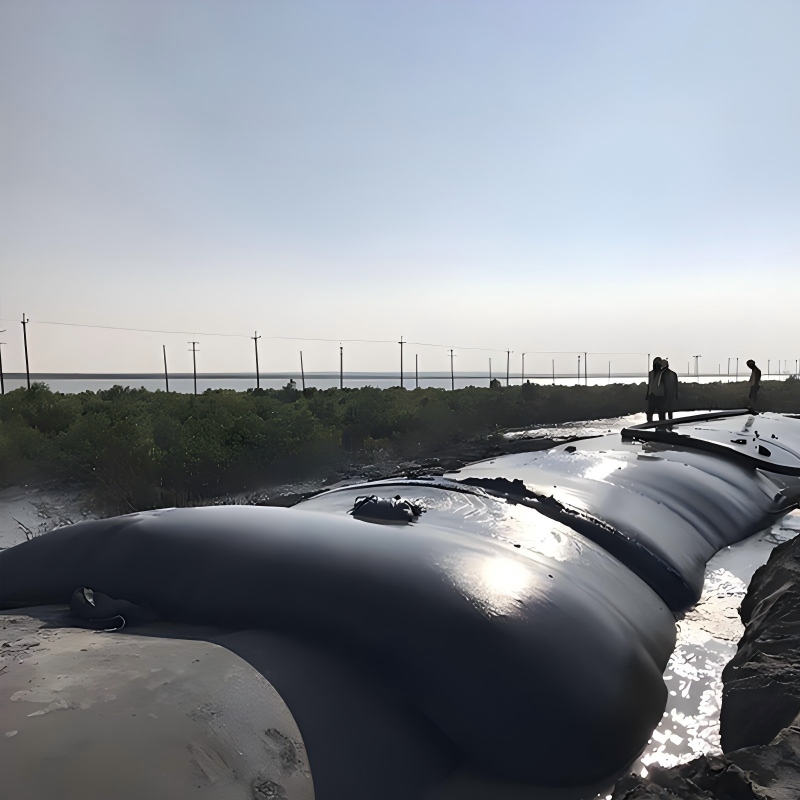
تُعدّ أحواض الطين المفتوحة ضخمة وفوضوية للغاية. لكن هذه الأنابيب تُبقي الطين الرطب محصورًا في مكان آمن. كما أنها تُغنيك عن جرّ الطين المبلّل، إذ يجفّ ببساطة على الأرض. بعد ذلك، يُمكنك نقله أو التخلص منه بسهولة. ولأنها فعّالة للغاية، تُستخدم في كل مكان، بدءًا من تجريف الأنهار وتنظيف البحيرات، مرورًا بمعالجة حمأة البحيرات الشاطئية، وصولًا إلى أعمال معالجة مخلفات التعدين.
يمكنك تغيير حجم الأنبوب، وقوة القماش، ومواقع الثقوب بحرية. يعتمد ذلك على نوع الطين وطبيعة الأرض. هذا يجعل المنتج أداة رائعة لأعمال التنظيف السريعة أو مشاريع الحفر الضخمة.
جدول معلمات المنتج
| المعلمة | وحدة | معيار الاختبار | نطاق المواصفات |
|---|---|---|---|
| نوع المنتج | / | / | أنبوب نزح المياه المصنوع من النسيج الأرضي |
| مادة | / | / | نسيج جيوتكستيل من البولي بروبيلين |
| نوع النسيج الأرضي | / | قائم على المشاريع | البولي بروبيلين المنسوج أو القماش المصمم حسب المشروع |
| وظيفة | / | / | نزح المياه، والترشيح، واحتواء الرواسب |
| طول الأنبوب | م | قائم على المشاريع | مخصص |
| محيط الأنبوب / قطره | م | قائم على المشاريع | مخصص |
| منفذ التعبئة | / | قائم على المشاريع | منفذ واحد أو منافذ متعددة |
| قوة الشد | كيلو نيوتن / متر | قائم على المشاريع | قائم على المشاريع |
| قوة اللحام | كيلو نيوتن / متر | قائم على المشاريع | قائم على المشاريع |
| نفاذية | / | قائم على المشاريع | قائم على المشاريع |
| لون | / | / | أسود أو حسب الطلب |
| طلب | / | / | الحمأة، الرواسب، التجريف، مياه الصرف الصحي، مخلفات التعدين |
| التغليف | / | / | مجمعة، أو معبأة على منصات نقالة، أو قائمة على المشاريع |
| تصنيع المعدات الأصلية/تصميم المعدات الأصلية | / | / | متاح |
سيناريوهات التطبيق
1. تجريف الأنهار والبحيرات والقنوات
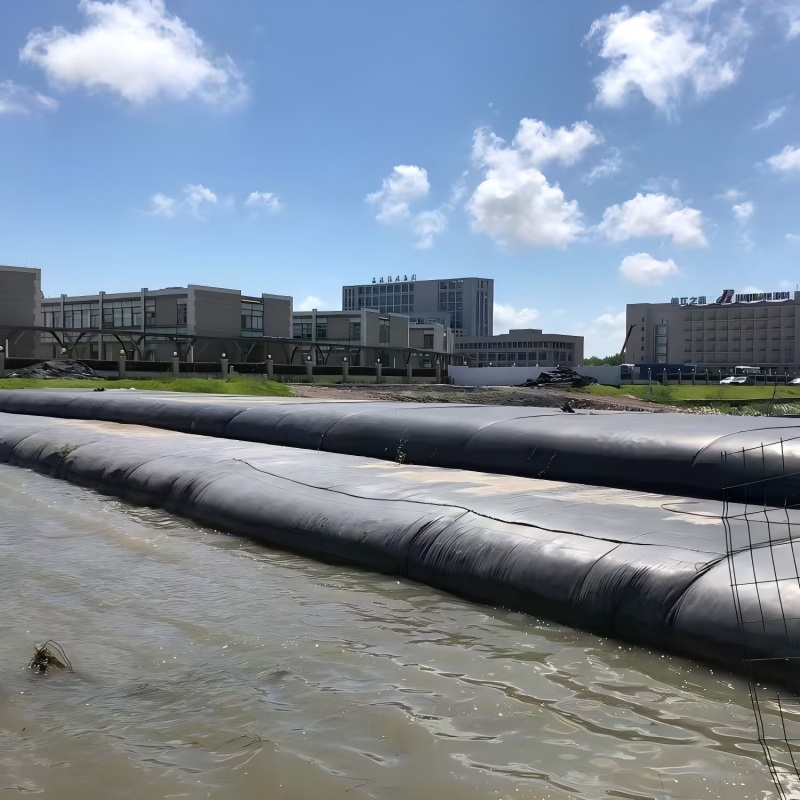
يؤدي حفر الأنهار إلى تكوين أكوام هائلة من الطين الرطب. يمكنك ضخ هذا المزيج المتسخ مباشرةً في أنابيب تجفيف مصنوعة من النسيج الأرضي. يتسرب الماء النظيف ببطء، بينما يبقى الطين الثقيل محتجزًا في الداخل. وبفضل ذلك، تقل كمية الطين التي تحتاج إلى نقلها لاحقًا بشكل كبير.
2. معالجة الحمأة البلدية
تحتاج محطات معالجة مياه الصرف الصحي في المدن وبرك الطين الكبيرة أحيانًا إلى تنظيف الرواسب اللزجة. تُعدّ أنابيب التجفيف مثاليةً للمهام السريعة أو أعمال التنظيف المخطط لها، حيث تحوّل الطين شديد السيولة بسهولة إلى كتلة صلبة وجافة يسهل التعامل معها.
3. مشاريع التعدين ومخلفات التعدين
تُنتج المناجم المزدحمة كميات كبيرة من الطين الرطب والغبار الناعم. تعمل الأنابيب الجيوتكستايلية على احتواء هذه المواد الصعبة وتجفيفها بأمان. مع ذلك، قبل اختيار القماش، يجب على البنائين فحصه بدقة للتأكد من خلوه من المواد الكيميائية الضارة والحصى الصغيرة.
4. المواد الصلبة في مياه الصرف الصناعي
غالباً ما تحتاج المصانع الكبيرة إلى إزالة الأوساخ الصلبة من مياهها الملوثة أو طينها. توفر أنابيب التجفيف طريقة بسيطة للغاية لحجز الأوساخ وتصفية المياه. وتكون هذه الطريقة فعالة إذا كانت نفايات المصنع مناسبة لنسيج الجيوتكستيل المتين.
5. تنظيف أحواض وبحيرات تربية الأحياء المائية
تتراكم طبقة سميكة من الطين الناعم في قاع أحواض الأسماك وبحيرات مزارع الحيوانات وأحواض المعالجة. يستخدم العمال أنابيب التجفيف خلال عمليات التنظيف الكبيرة، حيث تعمل هذه الأنابيب على جمع الطين ذي الرائحة الكريهة وعصر الماء المتسرب منه، مما يسهل التخلص من الأوساخ الجافة.
6. أعمال السواحل والخطوط الساحلية
أحيانًا، يقوم العمال بملء أنابيب النسيج الأرضي بالرمل الثقيل. ويستخدمونها لمنع انجراف الرمال على الشواطئ أو لبناء جدران ساحلية سريعة. وعند تجفيف الطين، يجب على البنائين مراقبة ترشيح المياه وضغط الضخ وتدفق المياه النظيفة بعناية.
تعليمات استخدام المنتج
قبل البدء، تأكد من تسوية الأرض وتثبيتها. قد تحتاج إلى طبقة تصريف، أو غشاء أرضي، أو خندق بسيط. بعد ذلك، افرد الأنبوب على الأرض. تأكد دائمًا من فحصه جيدًا قبل تشغيل المضخة.
عند التعبئة، اضخ الطين ببطء للحفاظ على انخفاض الضغط. إذا احتوى الطين الرطب على بقع صغيرة من الأوساخ، فقم بإجراء اختبار سريع للتلبيد. يساعد ذلك على تسرب الماء النظيف بشكل أسرع ويحجز الأوساخ بأمان في الداخل. يجب على العمال مراقبة ارتفاع الأنبوب وحالة اللحام ووضوح السائل المرشح باستمرار.
بعد أن يجف الطين، يمكنك فتح الأنبوب. ثم، ما عليك سوى إخراج المواد الصلبة. في بعض الأحيان، يمكنك ترك الكيس الممتلئ في مكانه. التزم دائمًا بالقوانين المحلية عند التخلص من المواد الصلبة المتبقية أو إعادة استخدامها.
ضبط الجودة
تتحكم شركة تشانغفنغ بجودة الإنتاج من خلال اختيار الأقمشة، والقص، والخياطة، وفحص الدرزات، ومعايرة المقاسات، والتعبئة والتغليف. وتشمل العناصر المهمة نوع القماش، وقوة الشد، والنفاذية، وقوة الدرزات، وأبعاد الأنبوب، وموضع فتحة التعبئة، والمظهر.
بالنسبة للطلبات الخاصة بالمشاريع، يمكن توفير المواصفات ومعلومات الأقمشة وصور التعبئة والتحميل ووثائق الشحن. إذا تطلب المشروع اختبارات خاصة أو تجارب ترشيح أو فحصًا من طرف ثالث، فيجب تأكيد هذه المتطلبات قبل بدء الإنتاج.
التعبئة والتسليم
تُطوى أنابيب نزح المياه المصنوعة من النسيج الأرضي وتُعبأ لتسهيل النقل والتداول في الموقع. يمكن ترتيب التعبئة حسب الحزم أو المنصات أو متطلبات المشروع. يمكن وضع ملصق على كل عبوة يتضمن اسم المنتج، والحجم، والكمية، ومعلومات الدفعة، وتفاصيل الطلب. كما يمكن توفير خدمات التعبئة للتصدير، وصور التحميل، والمستندات اللازمة للطلبات الدولية.
التعليمات
س1: ما هو استخدام أنبوب نزح المياه المصنوع من النسيج الأرضي؟
أ: يستخدمه العمال لتجفيف الحمأة اللزجة، والطين الرطب، والمواد الصلبة الناتجة عن مياه الصرف الصحي. يتسرب الماء النظيف بسهولة عبر قماش الجيوتكستيل السميك، بينما تبقى جميع الأوساخ الثقيلة محصورة بأمان في الداخل.
س2: كيف يعمل أنبوب نزح المياه؟
أ: تقوم مضخة قوية بدفع الطين الرطب مباشرة إلى الأنبوب. يعمل القماش الجيوتكستايلي كمرشح كبير، حيث يسمح بتسرب الماء الصافي، بينما يحجز الطين والجسيمات الصلبة بشكل مثالي.
س3: هل يمكن تخصيص حجم الأنبوب؟
ج: نعم، بالتأكيد! يمكنك اختيار الطول والحجم الدائري وتصميم الفتحة العلوية بدقة. كما يمكن للمشترين تغيير طريقة الخياطة وقوة القماش وأسلوب التغليف لتناسب احتياجاتهم الخاصة.
س4: ما هي المادة المستخدمة في أنابيب نزح المياه؟
ج: تصنع المصانع معظم الأنابيب من نسيج جيوتكستيل بولي بروبيلين فائق المتانة. ما عليك سوى اختيار القماش المناسب بناءً على نوع الطين وحجم التربة وقوة المضخة.
س 5: هل أحتاج إلى مادة مندفة لنزح المياه؟
ج: يجف بعض الطين الرطب بسرعة أكبر عند استخدام مادة مُرَسِّبة. تُساعد هذه الخطوة بشكل كبير في التخلص من الرواسب الناعمة أو الطين اللزج. يُنصح دائمًا بتجربة كمية صغيرة أولًا قبل البدء بعمليات ضخ كبيرة.
س6: ما هي المعلومات المطلوبة للحصول على عرض سعر؟
أ: يرجى تزويدنا بنوع الطين المستخدم، وكميته الإجمالية، وعدد الأكياس. كما يرجى إخبارنا بحجم الأنبوب المطلوب، وموقع العمل، والمساحة المفتوحة، وميناء الشحن، وأي قواعد اختبار خاصة.
س7: هل يمكن استخدام أنابيب نزح المياه في مشاريع التجريف؟
ج: نعم، يمكنهم ذلك. يستخدمها البناؤون بكثرة عند تنظيف الأنهار والبحيرات العميقة والقنوات وبحيرات المزارع وموانئ القوارب. فهي تلتقط الطين الثقيل وتجففه بسهولة.

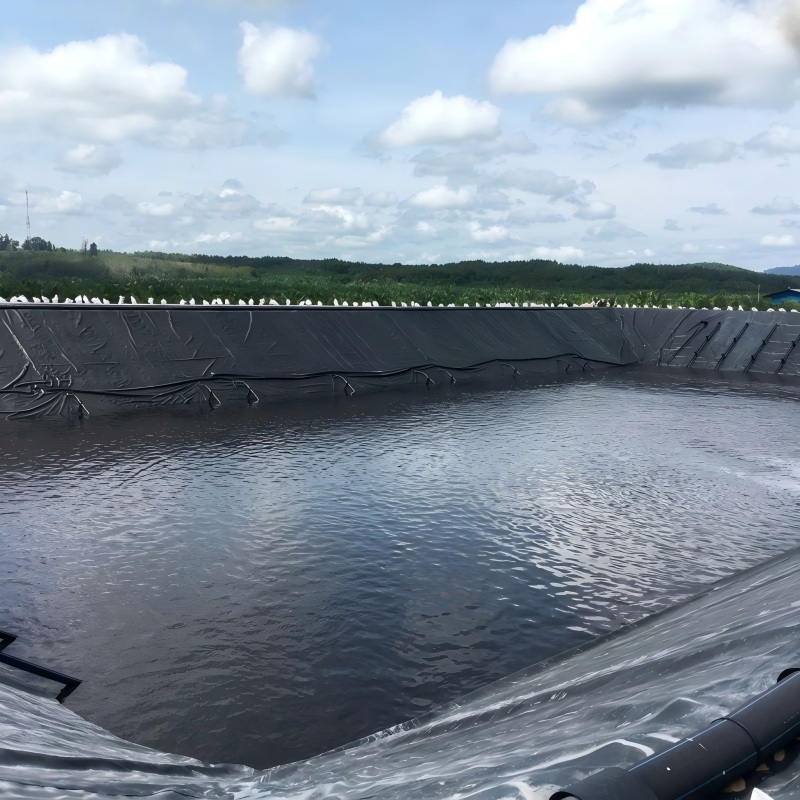
غشاء جيولوجي من البولي إيثيلين عالي الكثافة ذو ملمس خاص
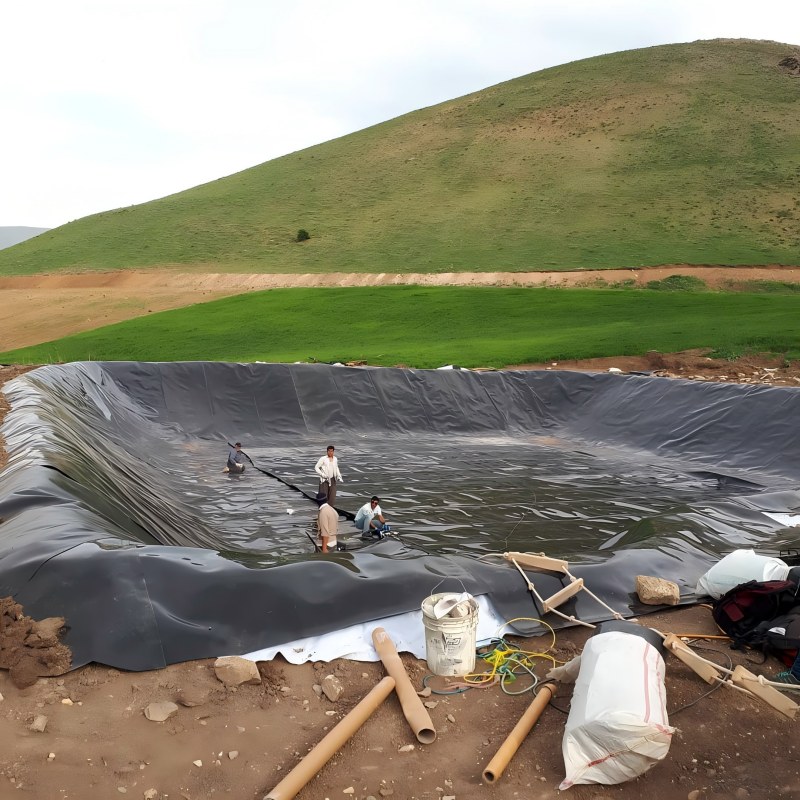
بطانة جيوممبرين ناعمة من البولي إيثيلين عالي الكثافة
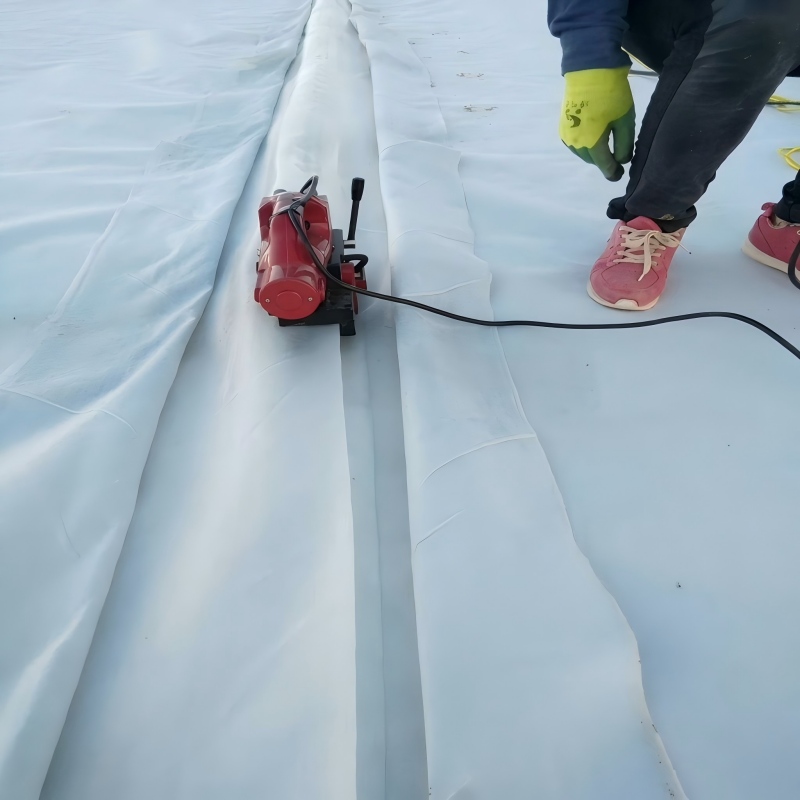
بطانة غشائية مركبة
حماية القناة
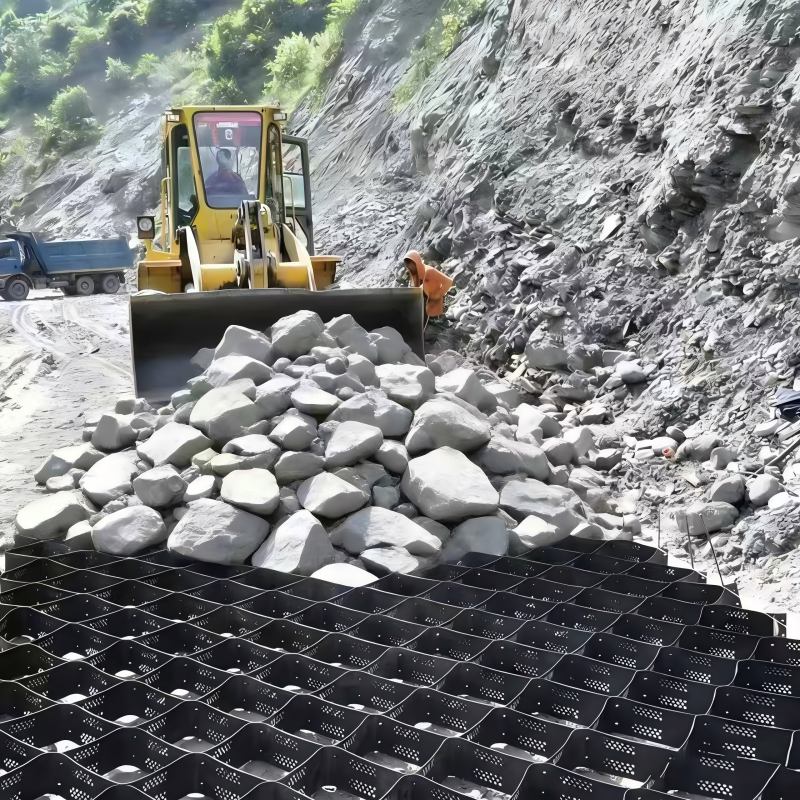
مكافحة التعرية في المنحدرات
الجدران الاستنادية
الأخبار والإعلانات
مقالات حديثة
 18th سبتمبر 2026
What Is a Geocell? How Cellular Confinement Systems Work
 11th سبتمبر 2026
How to Choose Geocell Height, Cell Size and Sheet Thickness
 4th سبتمبر 2026
5 Best Geocomposite Manufacturers for Global Buyers
 28th أغسطس 2026
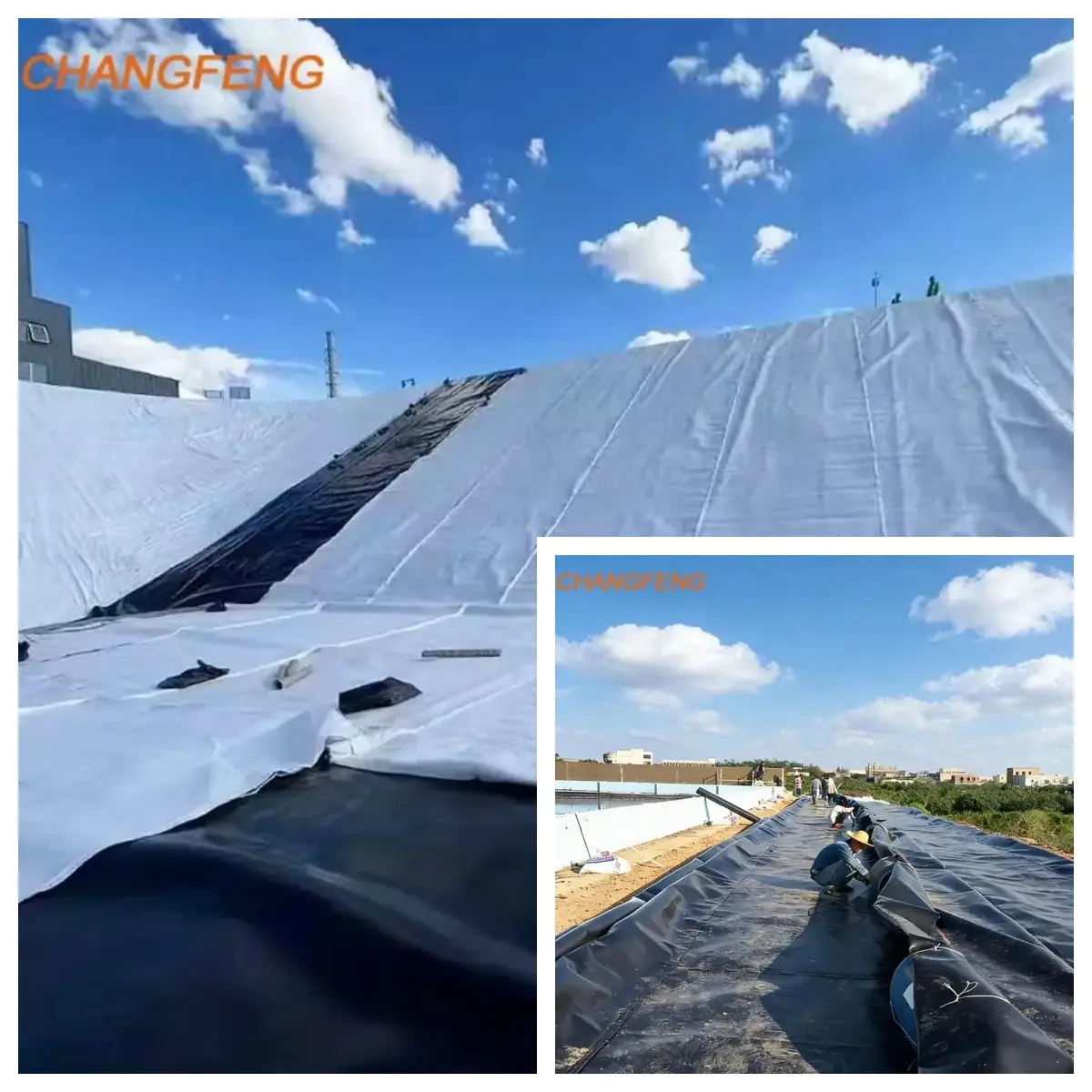
الأغشية الأرضية مقابل المنسوجات الأرضية: الوظائف والاختلافات ومتى يُستخدم كل منهما
 21st أغسطس 2026
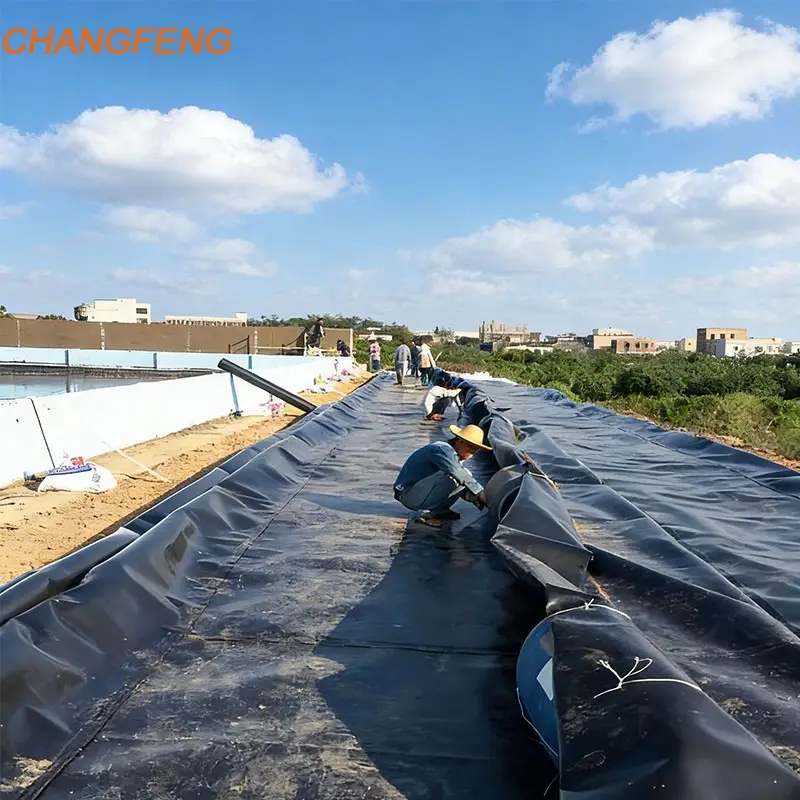
ما هو الغشاء الأرضي؟ أنواعه، مواده، استخداماته، وكيفية عمله
 1st يونيو 2026
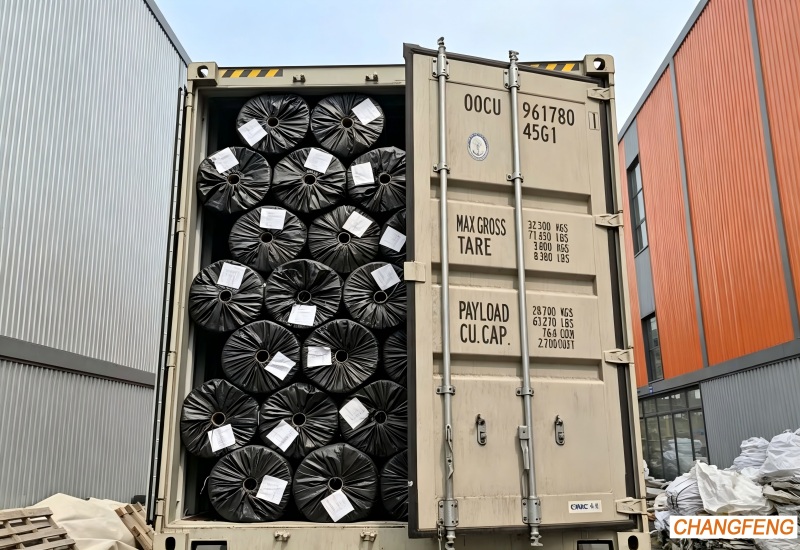
الوجهة: الأسواق العالمية. دفعة أخرى من الأغشية الجيولوجية المعتمدة تغادر منشأتنا
خدمة خدمة خدمة خدمة خدمة خدمة خدمة خدمة
خدماتنا
ميزة السعر المباشر من المصنع
سلسلة توريد مستقرة
مجموعة منتجات واسعة

الدعم الفني ودعم المنتج

دعم العلامة التجارية والسوق
ما الذي تبحث عنه؟

أكثر من مجرد شركة مصنعة
شريكك في الحلول
نحن نربط بين كفاءة المصنع المباشرة والخبرة الهندسية. سواء كنت تواجه لوائح صارمة أو ظروف موقع معقدة، فإن فريقنا يقدم "القوة الخفية" التي يحتاجها مشروعك من خلال تعاون تقني معمق.

التعاون بين الخبراء

هيئة المصنع

حلول مبتكرة
احصل على عرض سعر