Railway & Tunnel Engineering Solutions
1.Industry Pain Points & Challenges
Railway and tunnel engineering is a national-level high-standard infrastructure project, with extremely high requirements for material durability and dynamic stability:
(1) High-frequency dynamic load challenge: High-speed and heavy-haul railways generate huge vibration loads during operation, causing the ballast (crushed stone layer) to wear against each other, break, and sink into the roadbed, leading to road surface settlement.
(2) Tunnel water leakage problem: Groundwater pressure is huge. If the waterproof layer is not tight or drainage is not smooth, water will seep into the tunnel walls and form ice, seriously threatening the safety of train operation.
(3) Freeze-thaw settlement problem: In cold regions, the roadbed cannot drain moisture in time, and repeated freeze-thaw cycles will cause railway track deformation and heave.
-Unstable slope structure: Deep cut slopes along railway lines are easily weathered and eroded by rainwater, resulting in rockfalls or local collapses.
2.System Solution Changfeng’s “Structural Reinforcement + Tight Waterproofing + Rapid Drainage” Railway Solution:
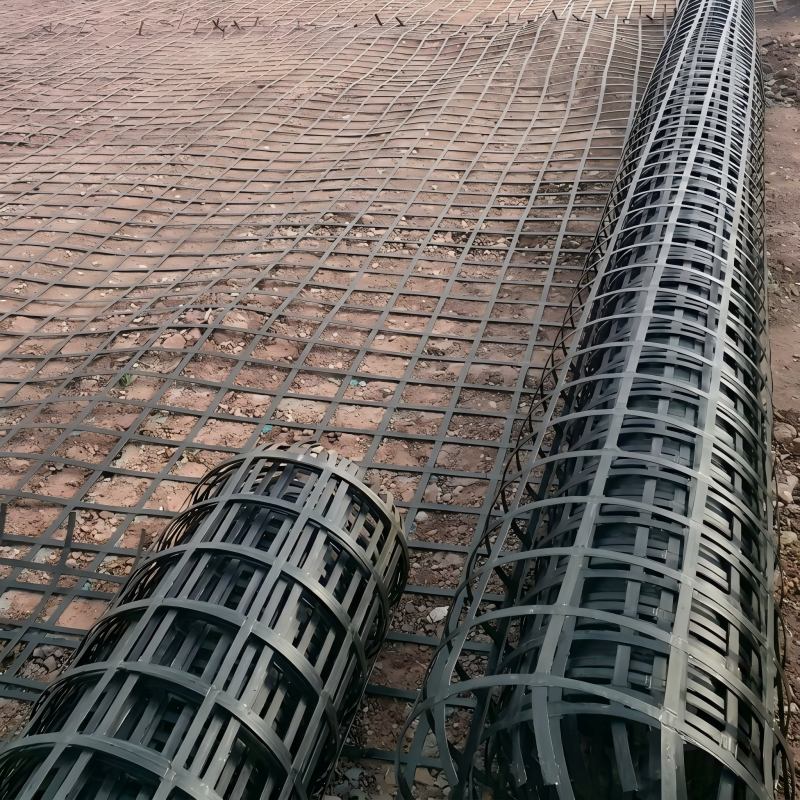
(1) Ballast and Subgrade Reinforcement: Steel-Plastic Geogrid is laid at the bottom of the ballast layer. Its extremely high tensile modulus locks in the displacement of gravel, reduces particle breakage, and maintains the stability of the track geometry.
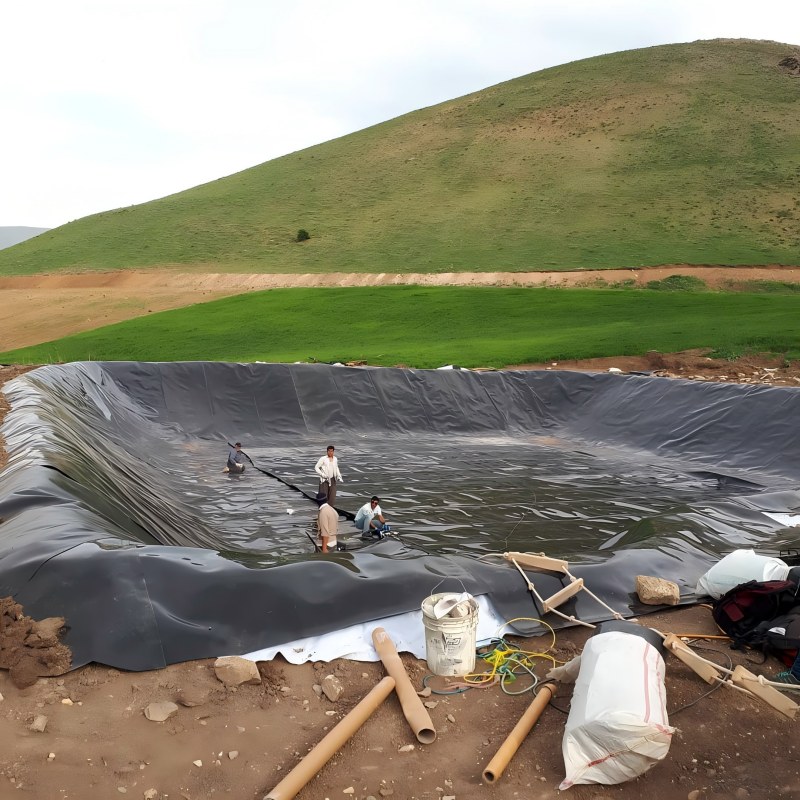
(2) Tunnel Waterproof Structure Layer: A specialized waterproof geomembrane is used as the main barrier for waterproofing the tunnel lining, preventing groundwater intrusion.
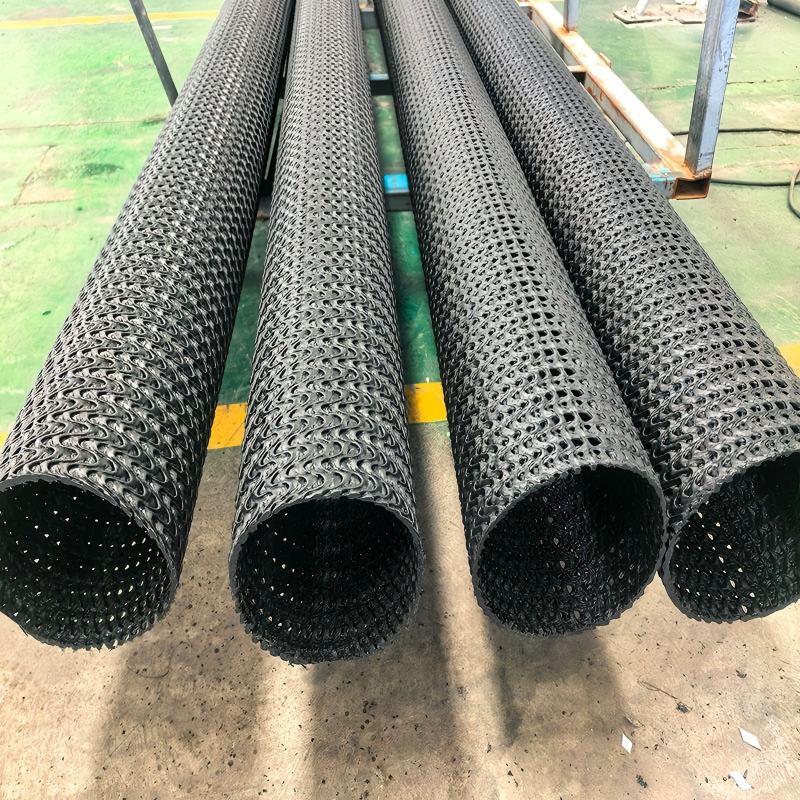
(3) Permanent Drainage Network: Hard Permeable Pipes and Plastic Blind Ditches are buried in the tunnel side ditches and subgrade. Using capillary action, accumulated water is rapidly guided to the main drainage pipes.
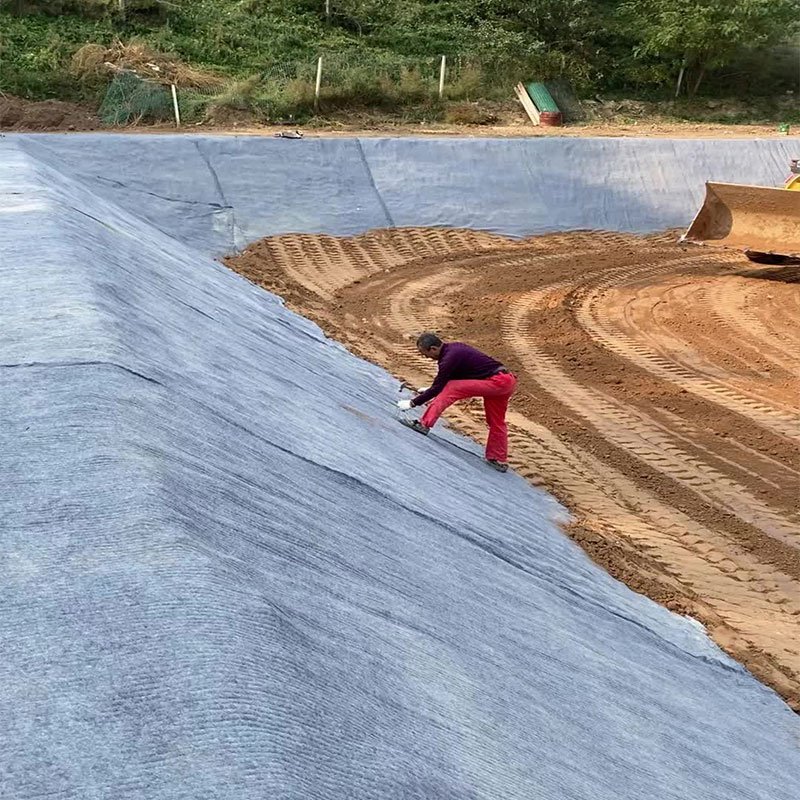
(4) Rapid Protection of Interception Ditches and Slopes: Cement blankets are used to lay interception ditches on both sides of the railway, achieving rapid hardening by “blanket to concrete,” preventing rainwater infiltration and erosion of the roadbed.
3.Core Advantages of the Solution
(1) 300% Increase in Maintenance Cycle: Steel-plastic grating effectively reduces the ballast pulverization rate, significantly reducing the frequency of maintenance and cleaning of the railway track bed, saving huge maintenance costs.
(2) Highly Efficient Drainage with “Zero Water Accumulation”: The combination of plastic blind drains and permeable pipes solves the problem of groundwater accumulation, effectively preventing frost heave disasters and ensuring all-weather operation of trains in cold regions.
(3) Self-Healing Structure and Long-Term Waterproofing: The GCL waterproof blanket used in conjunction has a self-healing function upon contact with water, providing reliable waterproofing for tunnels for up to 100 years.
(4) Breakthrough in Construction Efficiency: The application of new materials such as cement blankets eliminates the need for mixers and formwork when laying drainage ditches, making construction 5-10 times faster than traditional cast-in-place concrete.
4.Case Studies & Related Products
Typical Case: Expansion Project of the Heavy-Haul Railway in Northern Kazakhstan.